
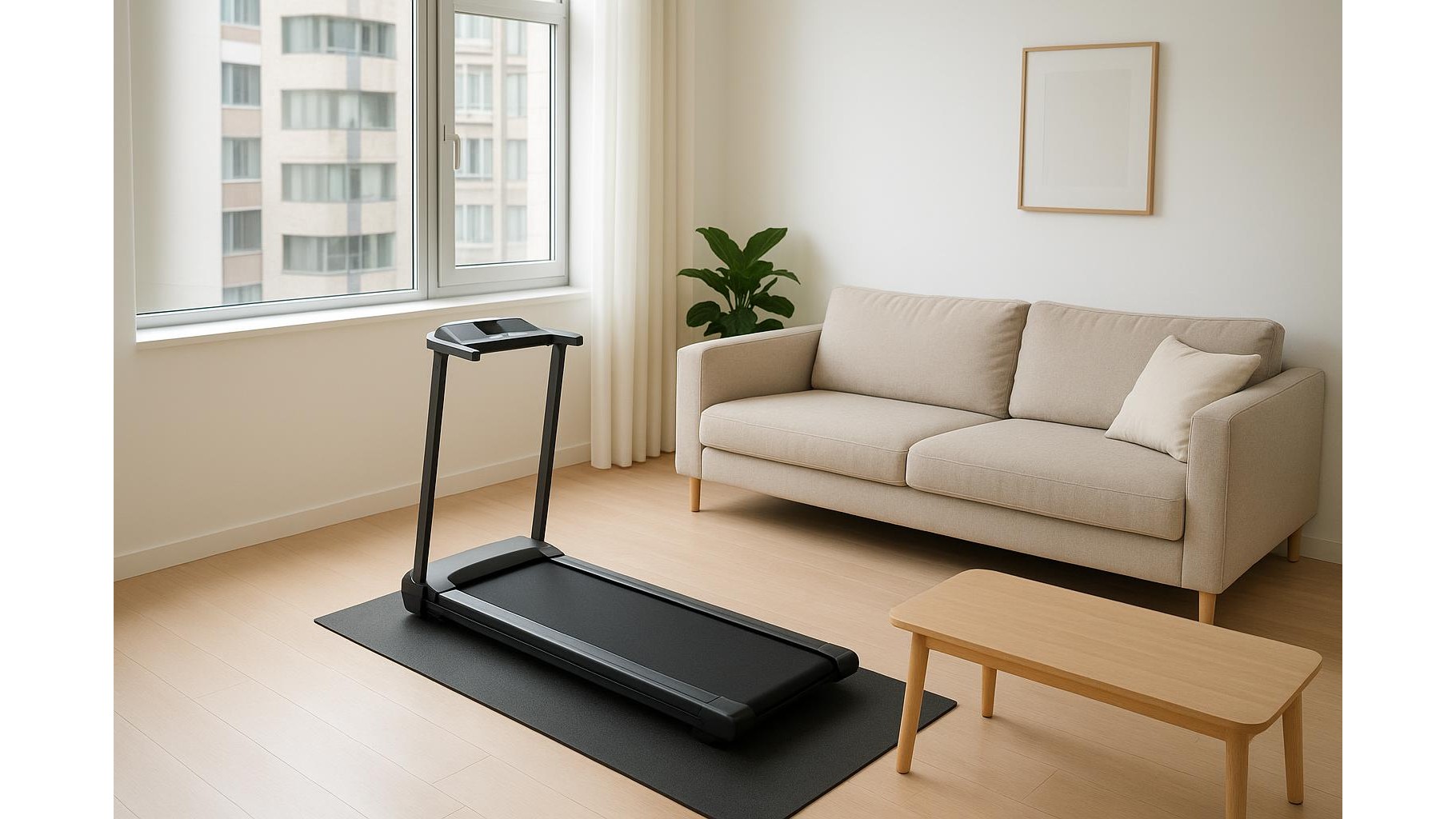
Living in a small flat or shared house does not mean you have to give up regular cardio. The key is choosing compact cardio machines that balance noise levels, footprint and everyday usability. In this guide we compare popular categories such as folding treadmills, mini exercise bikes, rowers and ellipticals, and explain how to evaluate them specifically for apartment living.
Understanding noise in shared spaces
In an apartment, noise is as important as workout intensity. Impact noise from running, fan resistance and motor hum can easily travel through floors and thin walls. When shopping, look for machines that use magnetic resistance rather than air or friction, as magnets are typically quieter and provide smoother resistance changes. Check product descriptions and user reviews for mentions of “quiet”, “low noise” or decibel ratings, and prioritise models designed for indoor home use rather than commercial gym units. To reduce transmitted sound further, place your machine on a thick rubber mat and schedule high‑intensity sessions at reasonable hours to keep neighbours happy.
Managing footprint and storage in a small flat
Beyond noise, the next big constraint is footprint. Measure the exact space where you plan to train, including ceiling height for treadmills and ellipticals. Folding designs and vertical storage can make a big difference. Many compact treadmills fold flat and slide under a bed or sofa, while mini bikes and stepper‑style machines can fit in a wardrobe. Consider the transport wheels and overall weight: if you need to move the unit each session, a lighter, wheeled machine will be far more practical. When reading product specs, pay attention to both the in‑use dimensions and the folded size, not just one or the other.
Usability: comfort, controls and training options
A machine can be compact and quiet, but it still needs to be comfortable and easy to use. Look for an intuitive console with clear speed or resistance controls, especially if you plan to do interval training. For treadmills, check the belt width and length: if they are too short, you might shorten your stride and feel unstable. For rowers and ellipticals, adjustable footplates and ergonomic handles improve posture and reduce joint stress. Since apartments often get warm quickly, preset low‑impact programs and the ability to train at moderate intensity without overheating are valuable. Finally, make sure the machine is quick to power up and fold away, so you actually use it on busy weekdays.
Matching machine type to your neighbours (and your joints)
Different cardio machine types behave very differently in an apartment. Treadmills are familiar and versatile, but running introduces impact noise; walking‑only or low‑profile models are more neighbour‑friendly than full‑speed runners. Under‑desk or mini exercise bikes create almost no impact and are ideal for very small rooms or late‑night sessions. Magnetic rowing machines offer a full‑body workout with relatively low noise, though the sliding seat can generate some vibration. Compact ellipticals provide low‑impact motion that is kind to knees and hips and usually quieter than a treadmill at the same intensity. If you have downstairs neighbours or older flooring, lower‑impact options like bikes and ellipticals are often the safest bet.
Practical tips to keep workouts neighbour‑friendly
Once you have chosen your compact cardio machine, a few habits will make it easier to live with in a flat. Use a dense training mat under the machine to absorb vibration and protect floors, and avoid placing it directly over bedrooms or living spaces below where possible. Start with moderate resistance and focus on smooth, controlled movements, which are quieter than explosive sprints. Headphones instead of external speakers keep your audio private, and wiping down the machine and folding it away after sessions helps maintain a tidy, multipurpose living area. By planning around noise, footprint and usability from the start, you can build an effective cardio routine that fits your home, your schedule and your neighbours.
Choosing the right compact cardio machine for apartment living comes down to balancing space, sound and comfort. By understanding how different machines affect noise levels, how much room they need and how easy they are to use every day, you can invest in equipment that genuinely supports consistent training without overwhelming your flat. With a measured approach, home cardio can be both effective and discreet, even in the smallest of apartments.









