
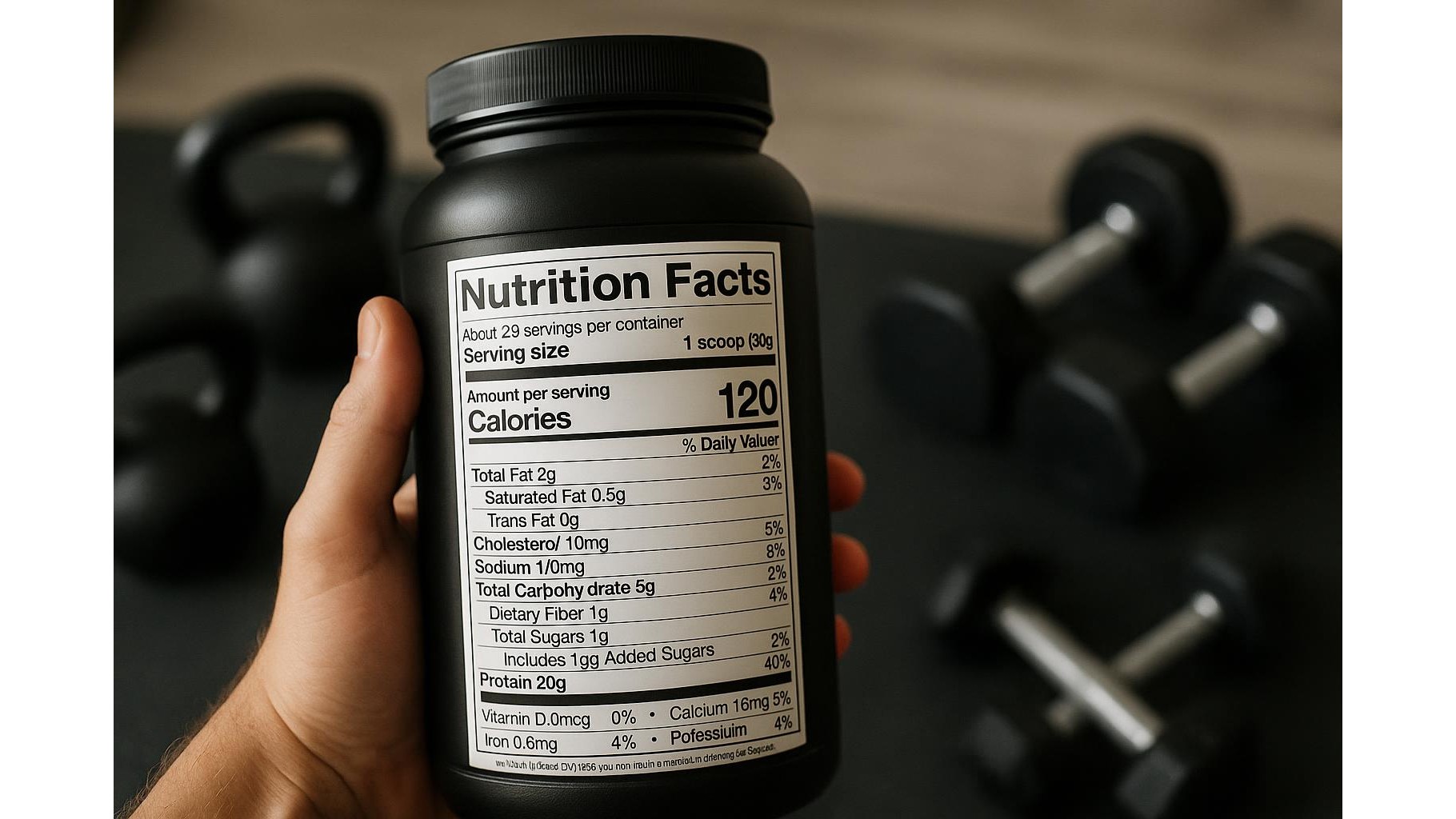
If you train at home, it is tempting to fill your cupboard with shiny tubs that promise more muscle growth, endless energy and rapid fat loss. But the real story is written on the supplement label. Learning to decode ingredients, dosages and claims helps you spend less, stay safer and actually support your results instead of chasing marketing hype.
Why supplement labels matter for home athletes
When you train in a home gym, you do not have a coach watching every rep or a nutritionist adjusting your plan. Your best protection is understanding what you put in your body. Labels reveal the form of each active ingredient, the exact dosage per serving, the presence of potential allergens, and any stimulants that might affect sleep or blood pressure. A label that looks dense and technical is not automatically better; the goal is clarity. If the serving size is vague, the blend is proprietary, or the claims sound like miracles, treat the product with suspicion and look for options with transparent, science‑based formulations.
Serving size, daily values and how to read the numbers
The first step in decoding a nutrition facts panel is spotting the serving size. All other numbers are meaningless until you know whether a serving is one scoop, two capsules or three tablets. Many brands design servings to look big on paper while the real dose per scoop is under‑dosed. Check the column that shows amount per serving and, if present, the % Daily Value. For micronutrients like vitamin D, magnesium or B‑vitamins, aim for realistic percentages rather than megadoses unless medically indicated. If a pre‑workout lists 5 g of a blend but hides how much is caffeine, beta‑alanine or citrulline, you cannot compare it to evidence‑based effective ranges, which is a red flag for serious lifters.
Ingredient lists, proprietary blends and red flags
Every label must list ingredients in order of descending weight, which gives you clues about what you are really buying. A quality whey protein powder should list the protein source first, not sugar or creamers. Watch for long lists of fillers, artificial sweeteners and colourings that add flavour but no performance benefit. Be especially careful with proprietary blends. These group multiple compounds under one trademarked name with only a total weight, hiding the dose of each. For a serious home athlete tracking progress, that lack of transparency makes it impossible to know if you are under‑dosed or overdosed. Prefer products that list each ingredient and its precise amount so you can match them against independent research.
Understanding common performance ingredients
Once you can read the basics, focus on a few well‑studied performance ingredients. For strength and muscle, creatine monohydrate at around 3–5 g per day is the most researched ergogenic aid and is generally safe for healthy people. In pre‑workouts, look for caffeine listed clearly, ideally with a dose between 150–300 mg per serving for most adults, not hidden in blends. Amino acids like beta‑alanine (around 3–6 g per day split doses) and citrulline malate (6–8 g pre‑workout) have evidence for endurance and pump, but only at proper doses. For recovery, check that a protein powder provides around 20–30 g of complete protein per serving and clearly states whether it is whey, casein or a specific plant blend so you can plan your daily intake around your training schedule.
Safety checks, allergens and when to be cautious
Every supplement you use in your home training routine should pass a few simple safety checks. Scan the label for allergens such as milk, soy, gluten, nuts or shellfish, which must be highlighted in the ingredients or in a separate warning. Look for third‑party quality testing statements (for example, ISO‑certified facilities or independent lab tests) and avoid products with vague claims like “pharmaceutical grade” that are not backed by certifications. Be careful with combinations of stimulants—multiple sources of caffeine, yohimbine, synephrine or herbal extracts—especially if you train late in the day or have cardiovascular risk factors. If the label does not clearly state the total amount of each stimulant, it is safer to leave it on the shelf and choose a more transparent formula.
Building a smarter, simpler stack for your home gym
Decoding supplement labels is not about memorising every chemical name; it is about asking the right questions. What is the serving size, and how many do I really take per day? Are the ingredients and dosages fully disclosed? Do they match what research suggests is effective? Are allergens, warnings and testing information easy to find? By applying these checks, most home athletes discover they need far fewer products than marketing suggests—usually a solid protein source, perhaps creatine, and a sensible pre‑workout if desired. With a clear label and realistic expectations, your supplements become a targeted support for the hard work you already do in your home gym, not a confusing distraction.
Understanding how to read supplement ingredients, dosages and warnings turns the label from a wall of jargon into a useful training tool. Instead of chasing hype, you can evaluate products calmly, protect your health and support your long‑term progress. A smarter label reading habit is one of the simplest upgrades you can make to your home training strategy.









