Dance conditioning at home is a fun way to build strength, mobility and coordination without needing a full studio or any equipment. This 30-minute, full body workout borrows from jazz, contemporary and ballet-inspired moves to challenge your muscles and elevate your heart rate, while still being friendly to small spaces. All you need is a clear floor, some music you enjoy, and a bit of energy.
Setting up your space for safe home dance conditioning
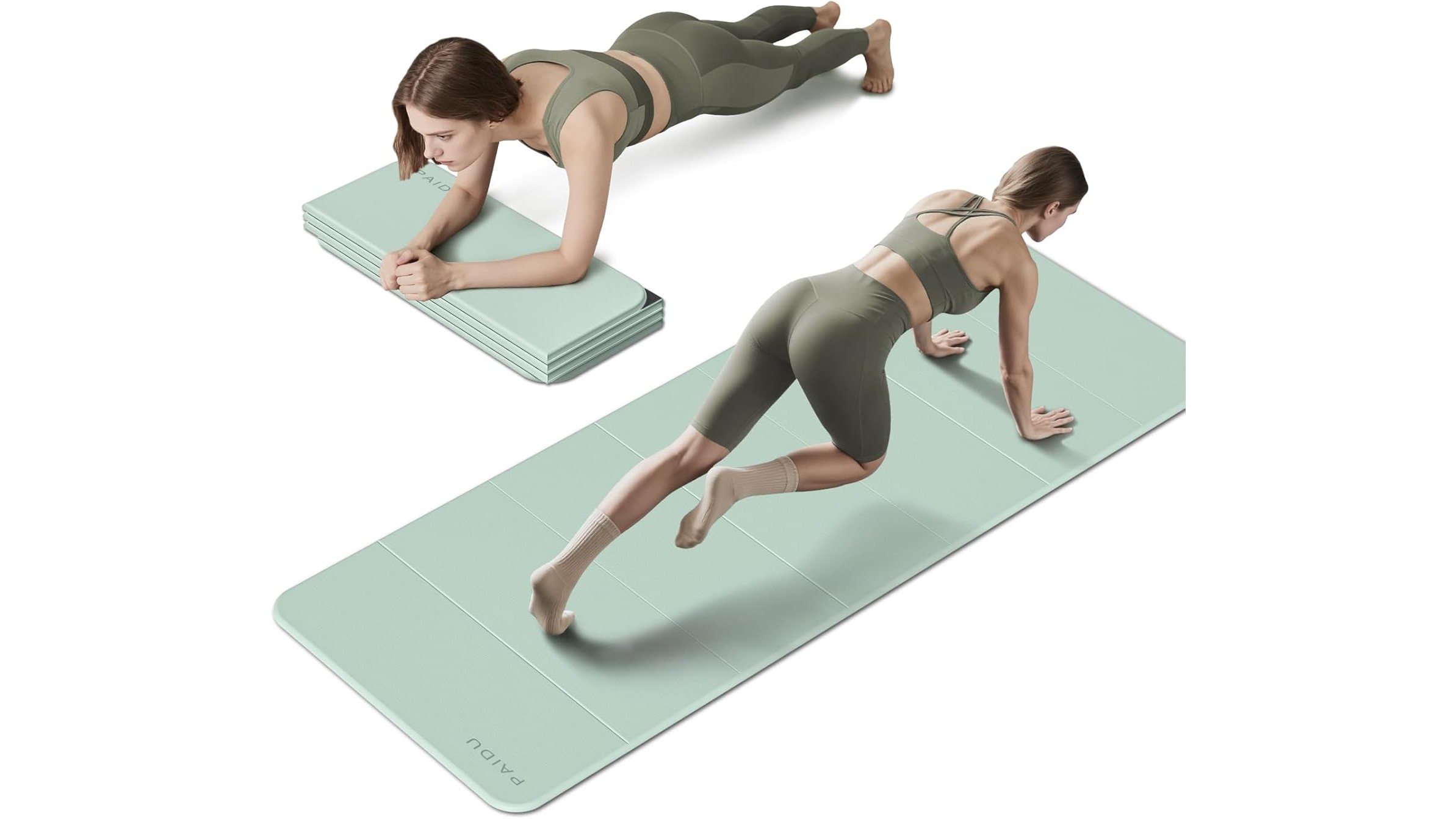
Before you start your home dance workout, create a safe, clutter-free area. Ideally you’ll have a non-slip surface to protect your joints when you turn, lunge or pulse. A foldable mat like the PAIDU Foldable Fitness Yoga Mat offers extra cushioning without being spongy, making it suitable for full-body workouts that mix dance cardio and floor work. Its extra-long and extra-wide design gives you more room for side steps and dynamic sequences, and the double-sided non-slip texture helps you stay stable in lunges and planks. Foldable mats are also easy to tuck away when you’re finished, ideal if your living room doubles as your studio.
Dynamic warm-up: wake up joints and muscles
Begin with a 5-minute dance warm-up to mobilise your joints and raise your heart rate. Start standing tall, feet under hips, and gently roll through the spine, letting the arms swing loosely. Add slow head turns, shoulder rolls and ribcage circles to prepare your upper body. Move into marching in place with soft knees, then progress to step-touches side to side, adding easy arm sweeps. Include ankle circles and gentle demi-pliés (small knee bends) to wake up your calves, quads and glutes. Beginners can keep the tempo slow and the range of motion small, while more experienced movers can deepen the pliés and add light bounces to build heat. The goal is to feel warm, not exhausted, before the main circuits.
Dance-inspired circuit 1: lower body focus
This first conditioning circuit targets legs and glutes with dance-style patterns. Perform each move for 40 seconds with 20 seconds rest, then repeat the circuit twice. Start with alternating side lunges, reaching the arms overhead for a long, diagonal line. Follow with curtsy lunges that cross one foot behind the other, adding an optional arm sweep across the body for rotational challenge. Next, try small second-position pliés: step wider than hip-width, toes turned slightly out, and bend the knees while keeping the chest lifted and spine tall. Finish with quick step-tap sequences forward and back to keep your heart rate up. To regress, use a chair or countertop for balance and reduce the depth of each lunge. To progress, add small pulses at the bottom of the plié or light, controlled relevés (heel lifts) after each lunge.
Dance-inspired circuit 2: upper body and core
Circuit two blends expressive upper-body movement with solid core training. Begin with standing arm patterns: open the arms wide, cross them in front, then sweep overhead, keeping the ribs knit and abs engaged. Transition into standing oblique crunches, lifting one knee toward the same-side elbow in a rhythmic pattern. Move down to your mat for plank shoulder taps, maintaining a strong line from shoulders to heels; widen your feet on the mat for extra stability. Add a side plank with an overhead arm reach to challenge lateral core stability. Beginners can perform planks on their knees or elevate their hands on a sturdy surface. Advanced movers can increase tempo slightly or add a reach-under twist in side plank to mimic the rotational feel of dance choreography.
Dance-inspired circuit 3: cardio flow and full-body integration
The final circuit is a flowing dance cardio sequence that integrates upper and lower body for a full conditioning effect. Start with a simple grapevine or step-behind pattern side to side, adding coordinated arm swings. Progress into a forward-and-back combo: two steps forward with sweeping arms, then two steps back with a gentle torso roll. Incorporate light knee lifts with opposite arm reaches to keep your core active. If space is limited, keep movements narrow and focus on precision, posture and musicality rather than travelling. Beginners can march instead of using grapevines, avoiding any steps that feel too complex. More advanced dancers can layer in turns or direction changes, always prioritising control and soft, quiet landings to protect the joints.
Cool-down and flexibility with a dancer’s touch
Finish with a 5-minute cool-down to gradually lower your heart rate and enhance mobility. Start by stepping side to side with slower, softer arm movements, then move into stationary stretches. On your mat, sit tall for a hamstring stretch, extending one leg while folding gently from the hips. Transition into a figure-four glute stretch and a low lunge to open the hip flexors. Add gentle side bends and chest-opening arm sweeps to release the upper body. Focus on long exhales and relaxing the shoulders away from the ears. This dancer-style cool-down not only aids recovery but also improves the flexibility needed for more expressive, fluid movement in future home dance workouts.
With just 30 minutes, some music and a small, safe space, you can enjoy a studio-inspired dance conditioning session at home that challenges strength, coordination and mobility. By using simple, repeatable patterns, regressions and progressions, this full body dance workout becomes accessible to beginners while still engaging for experienced movers. Make it a weekly ritual, track how your balance, posture and confidence improve, and adjust the intensity as your fitness grows to keep every home session feeling fresh, fun and effective.