Building a home gym can become expensive fast if you do not keep an eye on your costs. A simple way to stay in control is to use budgeting and expense apps to plan purchases, track every pound you spend and avoid impulse buys. With a clear plan and the right tools, you can create a highly effective training space without destroying your finances.
Define your home gym budget and priorities
Before downloading any app, decide how much you can realistically invest in your home gym equipment over the next few months. Separate your budget into categories such as essential gear (adjustable dumbbells, resistance bands, a bench), nice-to-have extras (kettlebells, cable attachments) and future upgrades (cardio machines or a power rack). This clear structure will help you use any budgeting tool more effectively, because you already know what matters most for your training goals and what can wait.
Use a simple budgeting app to plan monthly spending
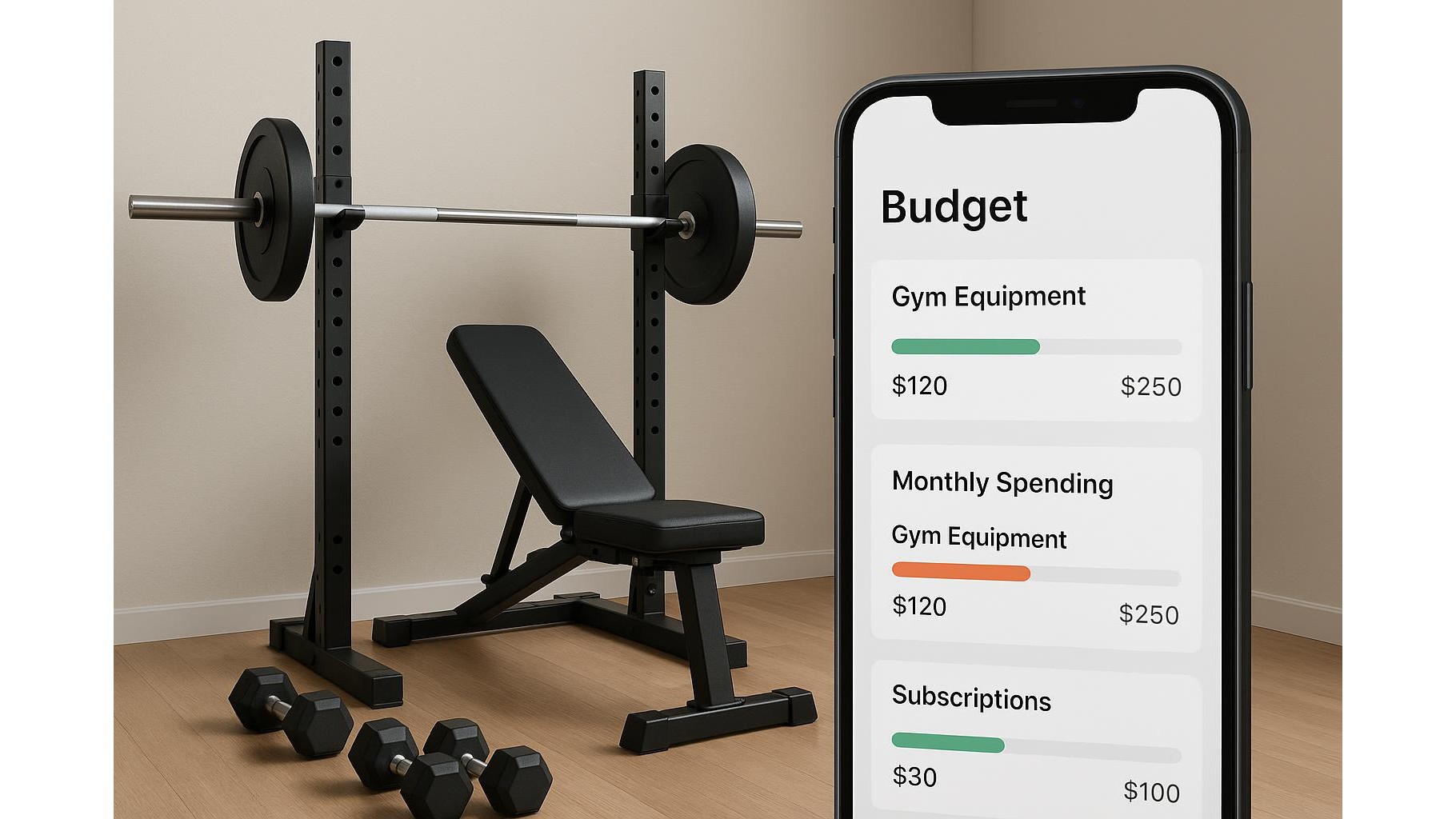
Most people do not need a complex finance system; a simple budgeting app is enough to control home gym gear spending. Set up separate categories inside the app, for example “Strength equipment”, “Cardio equipment” and “Accessories”. Allocate a monthly limit to each category based on your total budget. When you plan to buy a new adjustable bench or extra plates, check the app first: if it pushes you over your limit, postpone or reduce the purchase. This habit forces you to think in terms of long-term planning instead of emotional shopping.
Track every purchase to reveal your real spending habits
The power of expense tracking appears when you record every single purchase, from big items to small accessories. After each order of resistance bands, wrist wraps or flooring tiles, enter the amount in your budgeting app under the correct category. Over a few weeks, you will see exactly where your money goes: perhaps you overspend on small gadgets while delaying essential strength gear. This insight lets you adjust your plan, cut unnecessary items and redirect money towards equipment that truly improves your workouts and long-term progress.
Use wish lists and cooling-off rules to avoid impulse buys
To reduce impulse purchases, combine your budgeting app with a simple rule: every non-essential item goes first on a wish list, not directly into the cart. Add the product name, price and category in your app, then wait 24–72 hours before deciding. During this time, check how the item fits your budget and whether it replaces something you already own. Many attractive offers lose their appeal after a short delay, and you stay aligned with your long-term home gym plan. This method keeps your spending intentional, not emotional.
Compare costs, quality and long-term value
Budgeting apps can also support better value-for-money decisions. When you consider a new bench, barbell or set of dumbbells, log different options in your app or in a separate note, including price and expected lifespan. For example, a slightly more expensive, well-reviewed bar that lasts years can be cheaper in the long run than a bargain option you will need to replace. Tracking potential purchases side by side encourages you to think in terms of cost per year of use, helping you build a durable and efficient home gym instead of constantly replacing low-quality gear.
Review your budget regularly and adjust your plan
Set a weekly or monthly reminder to review your home gym budget inside the app. Check total spending, see which categories you exceeded and where you saved money. If you realise you are consistent with training and ready for heavier lifts, you might shift more budget towards strength equipment and reduce spending on smaller accessories. Regular review keeps your plan realistic and flexible, so you can react to new goals, sales or changes in your income while staying firmly in control of your finances.
Using budgeting and expense apps to manage your home gym gear is a simple but powerful strategy. By defining clear priorities, planning monthly spending, tracking every purchase and applying cooling-off rules, you avoid impulse buys and focus your money on equipment that truly supports your training. The result is a smarter, stronger home gym built at a sustainable cost, without financial stress.