If you’re training in a tight living room corner or a compact bedroom, you can still build strong glutes and a stable core with just a pair of dumbbells. This 35-minute routine is designed for beginners and focuses on simple, controlled movements that don’t require much floor space. All you need is a small area where you can lie down on a mat and take one step in each direction. With consistency, this minimalist workout can improve posture, support your lower back and build powerful hips for everyday life and sport.
Essential gear for a small-space dumbbell workout
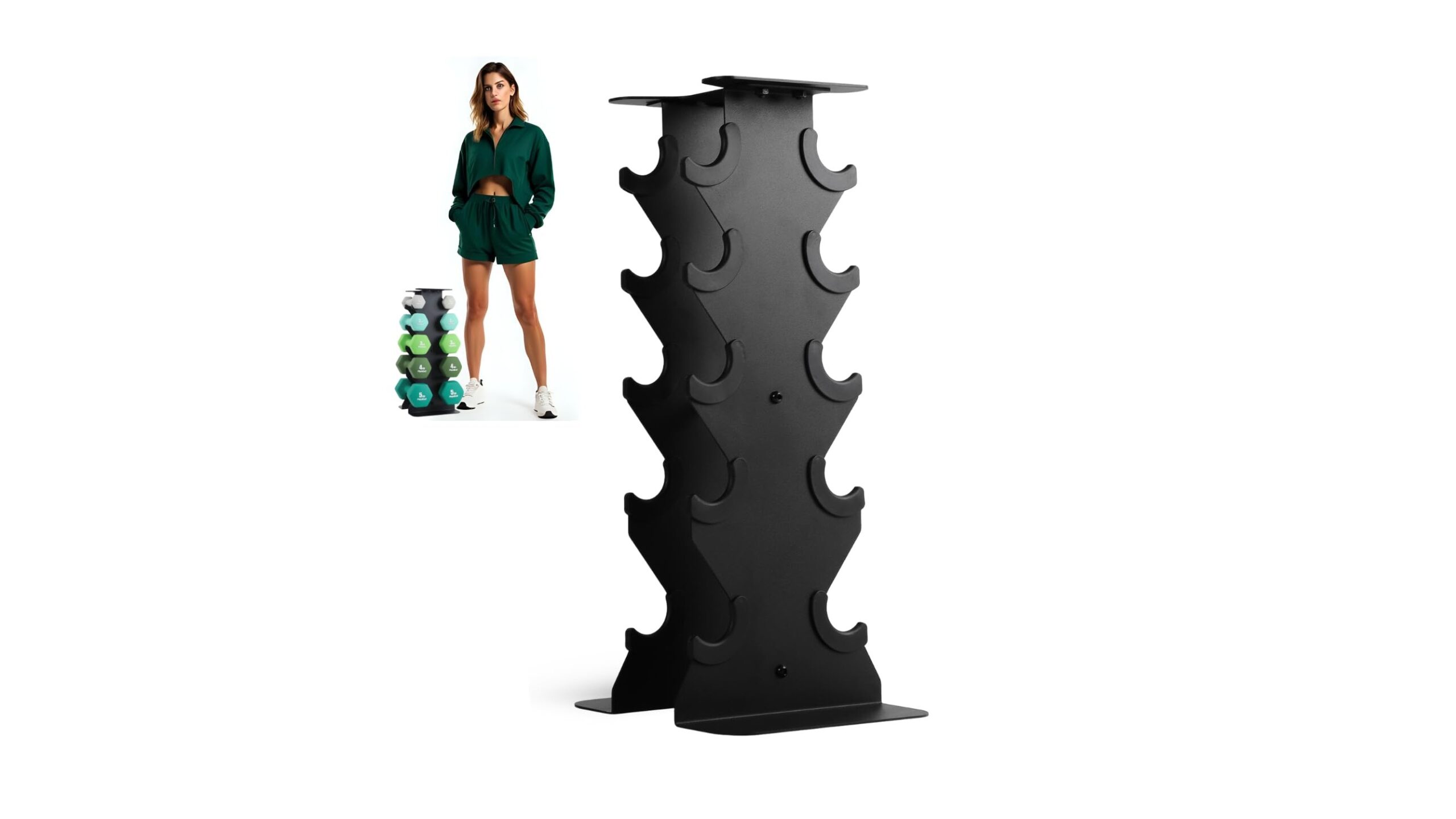
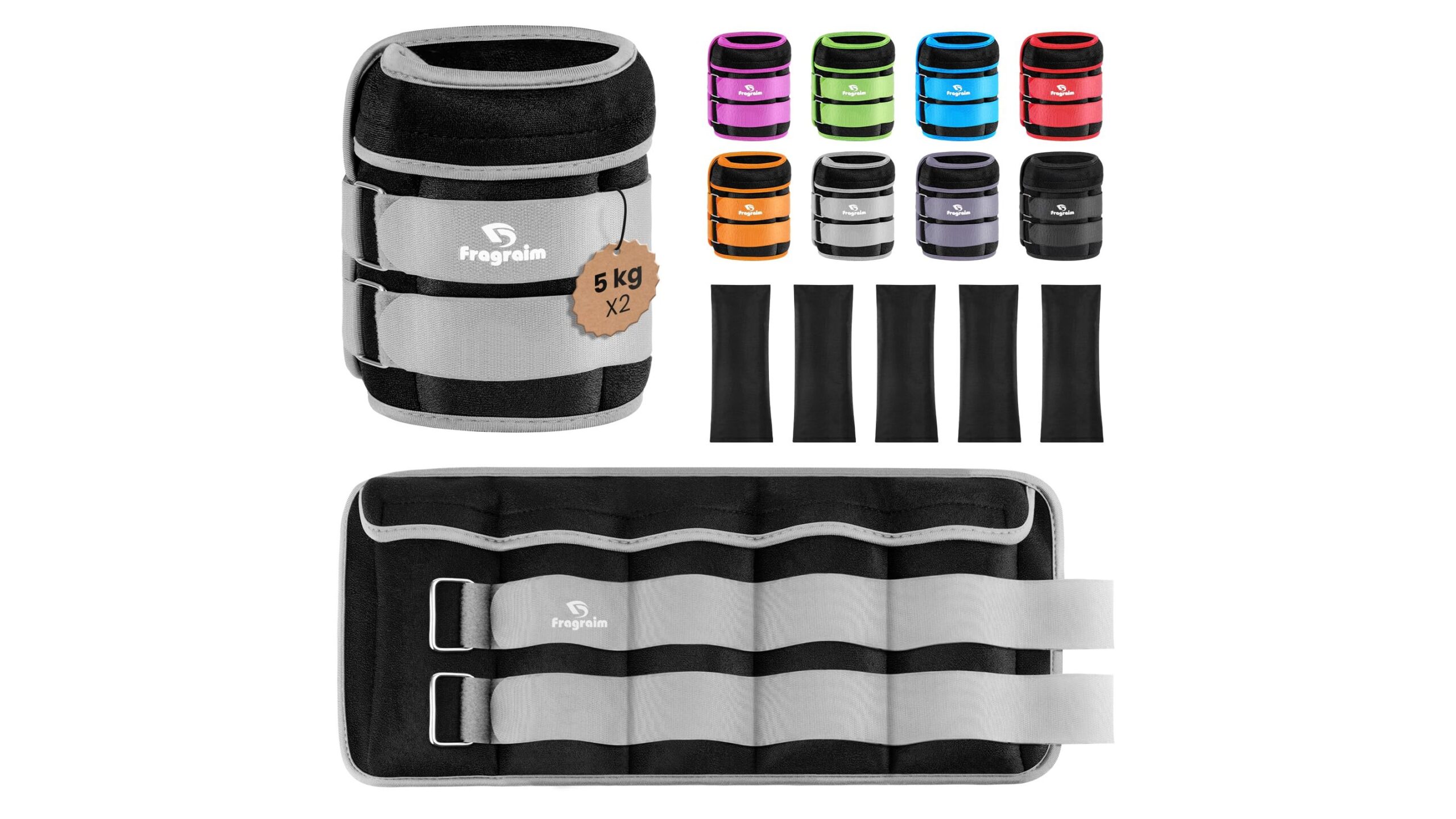
For this routine, aim for a pair of hex dumbbells that won’t roll around your floor and feel comfortable in your hands. If you train in a very small space, compact or adjustable dumbbells are ideal because they’re easy to store under a bed or in a cupboard. Choose a weight that feels light-to-moderate: you should be able to complete 12–15 reps with good form, but feel the muscles working by the last few repetitions. A simple exercise mat is also helpful to protect your spine and tailbone during floor work. Finally, keep a small towel and water bottle nearby so you can move efficiently between sets without leaving your training area.
Warm-up: activate hips and wake up your core
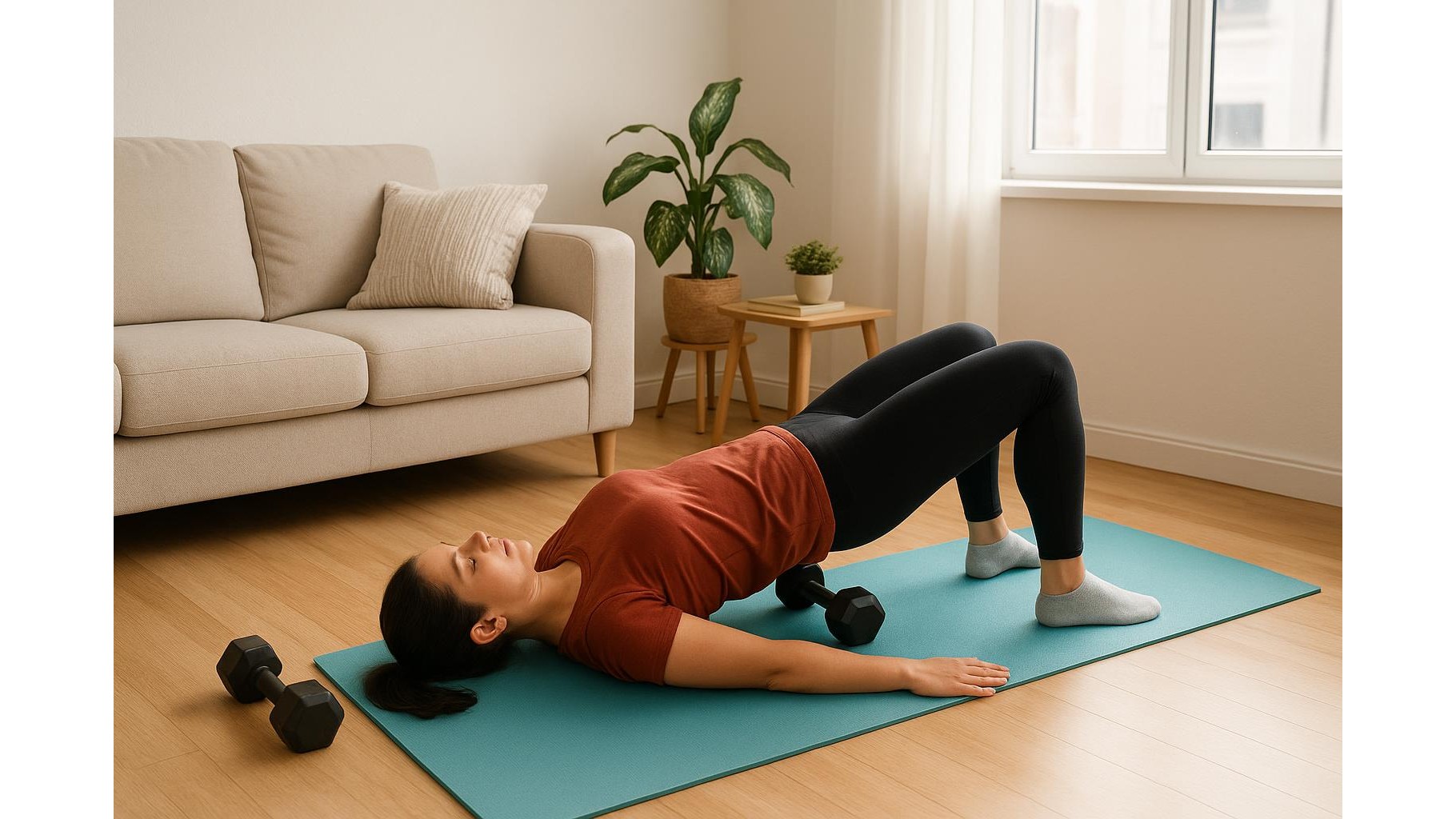
Spend 5 minutes preparing your body before you touch the dumbbells. In a small space, focus on dynamic activation rather than big movements. Start with 30 seconds of bodyweight glute bridges, squeezing your glutes at the top of each rep. Follow with 30 seconds of dead bugs to engage your deep core without stressing the lower back. Then perform 30 seconds per side of standing hip circles, gently opening the hips while holding on to a wall or chair for balance. Repeat this mini circuit twice. The goal is to feel warmth around your hips, abdominals and lower back so your joints are ready for the loaded work to come.
Main block 1: glute strength in minimal space
The first 15-minute block targets your gluteus maximus and gluteus medius with movements that stay mostly on the spot. Perform 3 rounds of the following: 12 dumbbell Romanian deadlifts, 12 dumbbell glute bridges and 10 per side static reverse lunges. For the Romanian deadlift, stand with feet hip-width apart, hold the dumbbells in front of your thighs and hinge at the hips, keeping your back flat and shins nearly vertical. In the glute bridge, hold one dumbbell across your hips, drive your heels into the floor and squeeze your glutes at the top without over-arching your back. Finish each round with reverse lunges done in place, stepping one foot back and dropping the back knee towards the floor, then returning to the start. Rest 45–60 seconds between rounds to keep the focus on muscle tension instead of pure fatigue.
Main block 2: core stability and anti-rotation
The second 15-minute block builds a stable core that can resist movement, which is crucial for protecting your spine when you lift, carry and twist in daily life. Perform 3 rounds of: 10 per side dumbbell suitcase dead bugs, 20–30 seconds per side side plank with a dumbbell on your hip and 10 per side half-kneeling dumbbell halos. In the suitcase dead bug, hold one dumbbell in the hand on the same side as the bent knee while you slowly extend the opposite arm and leg, keeping your lower back gently pressed into the floor. For the side plank, stack your feet or place one in front of the other, then rest a light dumbbell on your upper hip to increase the challenge without requiring extra space. The half-kneeling halo involves circling a single dumbbell around your head while keeping your ribs down and hips square, training anti-rotation and shoulder stability at the same time.
Cool-down and progression tips for beginners
Finish with 5 minutes of easy stretching to help your muscles relax and support recovery in a small-space setting. Focus on the hip flexors, glutes, hamstrings and lower back. Hold a kneeling hip flexor stretch for 30–40 seconds per side, then a seated or lying hamstring stretch for the same duration. A gentle lying twist can relieve tension through the spine after the loaded work. As a beginner, start with this 35-minute routine two times per week, leaving at least one rest day between sessions. Once it feels manageable, increase the dumbbell weight slightly or add an extra round to one of the main blocks. Small, consistent progressions will help you build stronger glutes and a more resilient core without needing a full home gym.
Over time, this compact dumbbell workout can transform the way you move, stand and perform daily tasks. By focusing on glute strength and core stability, you support your lower back, improve posture and build a foundation for more advanced training later on. The best part is that you can complete the entire session in a corner of your living room or bedroom using minimal equipment. Stick with it for several weeks, track your reps and how you feel and gradually challenge yourself with heavier dumbbells or slower, more controlled tempos. This simple, space-efficient plan is a practical starting point for anyone building a sustainable home fitness habit.