Building a consistent home fitness routine is easier when you can see real progress. Affordable smart scales make this possible by tracking simple metrics like weight, body fat trends and muscle mass estimates. Used correctly, these numbers can guide your training without turning every weigh-in into an obsession. The goal is not perfection, but having enough data to adjust your workouts and celebrate the small, steady wins.
Why smart scales are useful for home fitness
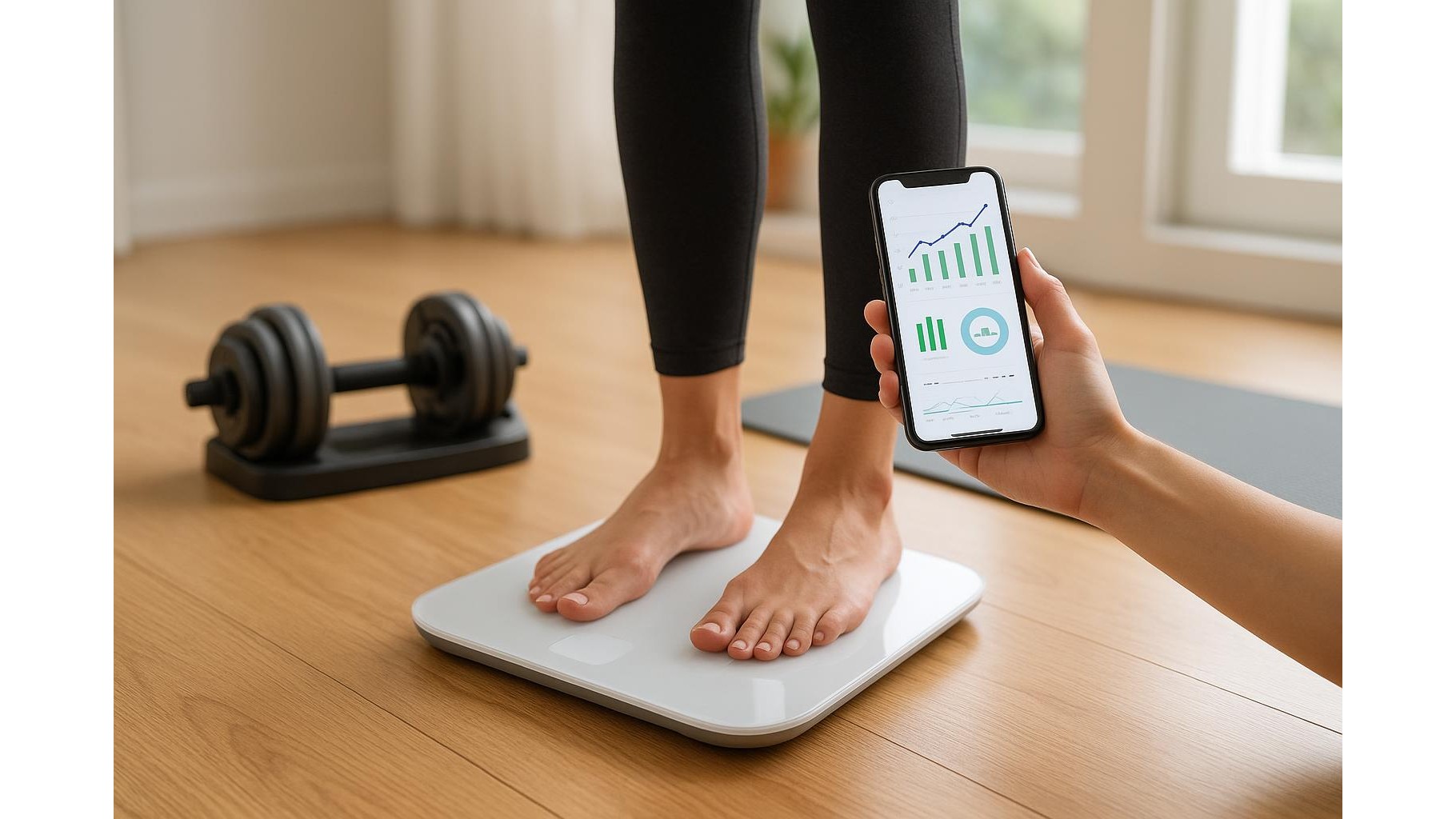
Basic bathroom scales only show weight, which can be misleading when you are gaining muscle and losing fat at the same time. Entry-level smart scales with Bluetooth add trend data and extra metrics, helping you see the bigger picture. They sync with apps on your phone, store your history and often allow multiple user profiles, which is ideal for a home gym. Instead of guessing whether your workout plan works, you can check your progress over weeks and months and tweak training or nutrition accordingly.
Key metrics to track (without overthinking them)
The most useful home metrics are body weight, body fat percentage trend and a rough muscle mass estimate. Don’t chase perfect accuracy; focus on consistency. Weight tells you if your total mass is going up or down. Body fat readings from budget smart scales are estimates, but they are still valuable for spotting long-term direction. If your weight is stable but estimated body fat drops over several weeks, your training is likely improving your body composition. Muscle mass estimates work the same way: look for gradual increases, not exact numbers.
How to weigh in and interpret trends
To get reliable trends, keep your routine simple and repeatable. Weigh yourself at the same time of day, ideally in the morning after the toilet, before eating or drinking. Step on the scale barefoot so the sensors can estimate body composition. Avoid stressing over daily fluctuations; hydration, hormones and sleep can move the number up or down. Instead, look at weekly and monthly charts in your app. If your goal is fat loss, you want a gentle downward weight trend and slowly decreasing body fat. For muscle gain, expect a slow weight increase, ideally with body fat staying stable or only rising slightly.
Combining metrics with training and lifestyle
Smart scales are most powerful when you connect them to what you do in your home workouts and your daily habits. If the scale shows a plateau, ask simple questions: Have you been consistent with strength training? Are you hitting a reasonable step count or cardio sessions? Has sleep or stress changed? Use the numbers as feedback, not judgment. For example, if your weight is dropping very fast and body fat is falling sharply, you may need to eat a bit more to protect muscle. If everything is moving in the wrong direction, simplify: focus on regular workouts, more whole foods and better sleep for the next two weeks, then check the trends again.
Staying motivated without obsessing over numbers
To avoid becoming fixated on the scale, pair your smart scale data with non-scale victories. Track how many push-ups you can do, how heavy your dumbbells are, or how you feel climbing stairs. Use the app history as a quiet background check rather than a daily verdict on your self-worth. For many people, weighing in two or three times per week is enough. Remember that progress is rarely linear: small ups and downs are normal. What matters is the overall direction over months. By treating smart scales as a simple tool instead of a judge, you can keep your home fitness journey sustainable, informed and mentally healthy.
In summary, affordable smart scales give home gym users a practical way to track weight, body fat trends and muscle mass estimates without getting lost in complex analytics. A consistent weigh-in routine, attention to long-term trends and a focus on how training and lifestyle affect the data can keep you on track. Combine the numbers with performance goals and how you feel day to day, and you will have a balanced, sustainable approach to monitoring your home fitness progress.