If you train mostly at home with dumbbells, bands or a compact rack, you have probably wondered whether EAAs (essential amino acids) or BCAAs (branched-chain amino acids) are worth adding to your stack. Both promise better recovery, less soreness and support for lean muscle. But they are not the same thing, and in many home–training scenarios, smart nutrition and whole foods may already cover your needs. Below we compare EAAs vs BCAAs, using concrete supplement examples, and explain when they can genuinely support your home workouts – and when you can safely save your money.
EAAs vs BCAAs: what is the real difference?
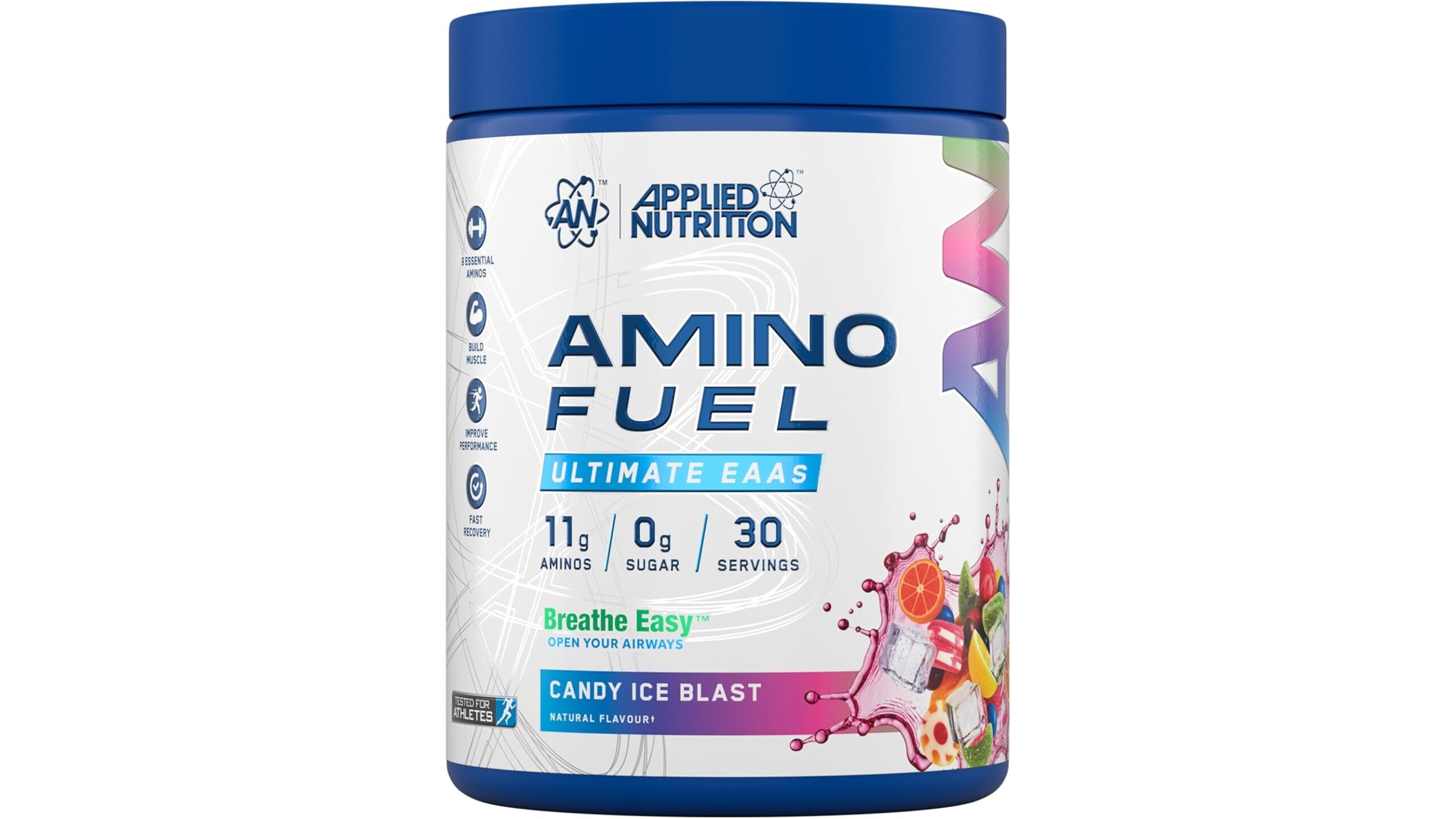
Branched-chain amino acids are just three essential amino acids – leucine, isoleucine and valine – that play a key role in muscle protein synthesis and training performance. Essential amino acids include these three plus another six (histidine, lysine, methionine, phenylalanine, threonine and tryptophan). Your body cannot make EAAs, so they must come from diet or supplements. An EAA product such as Applied Nutrition Amino Fuel EAA Powder provides a broader amino profile – 11 g of total amino acids, including 9 g EAAs and 6 g BCAAs per serving – while a straight BCAA product like Applied Nutrition BCAA Powder Fruit Burst focuses on just the three branched-chain aminos in an intra–workout hydration formula. In simple terms: all BCAAs are EAAs, but not all EAAs are BCAAs, and that extra spectrum can matter if your overall protein intake is low.
When EAAs make sense for home training
If you train at home in a calorie deficit, do fasted morning sessions or struggle to hit sufficient daily protein, a full-spectrum EAA can be useful. Products such as Reflex Nutrition EAA Powder deliver 16 g of essential amino acids per serving, combining all nine EAAs with added BCAAs, vitamin B6, magnesium and electrolytes. This kind of formula is designed as an intra–workout drink to support muscle growth and reduce fatigue when training hard in a small home gym. Similarly, Applied Nutrition Amino Fuel adds glutamine plus B‑vitamins to support energy metabolism. In these situations – low calorie intake, long sessions, limited access to high–quality protein – EAAs can help maintain lean mass and recovery without adding sugar or many calories.
When BCAAs are enough – or unnecessary
For many home lifters who already consume plenty of complete protein from foods (eggs, dairy, meat, fish, soy) or a quality whey shake, a dedicated BCAA supplement will add little on top. Your protein sources already contain leucine, isoleucine and valine in effective amounts. A product like Applied Nutrition BCAA Powder Fruit Burst can still be handy if you want a zero–sugar intra–workout drink with electrolytes and citrulline to improve hydration during high–rep circuits or kettlebell conditioning. Capsule options such as Optimum Nutrition BCAA 1000 Capsules offer 1000 mg of BCAAs per serving in a 2:1:1 ratio and are convenient if you dislike flavoured powders. But if your diet already includes enough protein spread across the day, BCAAs are often redundant for basic muscle maintenance.
Whole foods vs amino acid supplements
Before adding EAAs or BCAAs to your cart, assess your nutrition basics. For most people training three to five times per week at home, aiming for roughly 1.6–2.2 g of protein per kg of bodyweight from whole foods or a standard protein powder is the main priority. A chicken breast, Greek yoghurt pot or scoop of whey already supply a complete EAA profile, often at a lower cost per serving than specialised amino products. Supplements like Reflex EAA or Amino Fuel are best seen as top–ups when cooking is inconvenient, appetite is low, or you train fasted. If your budget is limited, putting money into quality groceries and maybe a basic whey protein will usually deliver more progress than stacking multiple amino formulas.
How to choose the right product for your goal
When you decide that a supplement genuinely fills a gap, match the product to your training style. If you prefer sipping during longer home sessions, an EAA powder such as Reflex Nutrition EAA or Applied Nutrition Amino Fuel offers full–spectrum amino coverage, electrolytes and low sugar. If you simply want a refreshing BCAA drink to support hydration during heavy circuits, Applied Nutrition BCAA Fruit Burst is cost–effective and well–reviewed for taste and mixability. For minimal fuss, Optimum Nutrition BCAA Capsules let you boost BCAA intake without mixing powders. Always check serving size, total EAA/BCAA grams, added ingredients (caffeine, sugars, dyes) and whether the product is tested for banned substances if you compete.
In summary, both EAAs and BCAAs can play a supporting role in your home training, but they are not magic bullets. EAAs are generally more complete and make sense when your protein intake is inconsistent or you train in a calorie deficit, while BCAAs mainly offer a convenient intra–workout drink if you already eat enough protein. For most lifters, prioritising whole–food protein and a solid training plan will deliver the biggest results; amino acid supplements are simply tools to plug occasional gaps, not essentials for progress.