Training at home is convenient, but without a coach watching you it’s easy to develop poor technique that leads to plateaus or even injury. Simple posture apps and movement coaching apps that use your phone or laptop camera can bridge the gap, helping you check alignment, track joint angles, and refine your exercise form in real time. By combining these digital tools with a bit of body awareness, you can make your home workouts safer, more efficient, and more effective.
Why posture and movement apps matter in a home gym
When you train alone, you often rely on how a movement “feels”, which is notoriously unreliable for beginners. Camera-based posture apps give you an external point of reference: they show how your body actually moves, not how you think it moves. Many tools can highlight common faults like rounded shoulders in push‑ups, excessive forward lean in squats, or overextended lower back in overhead presses. This objective feedback helps you correct technique before it becomes a habit, reducing the risk of overuse injuries and making every rep more productive.
Using your phone camera as a basic form coach
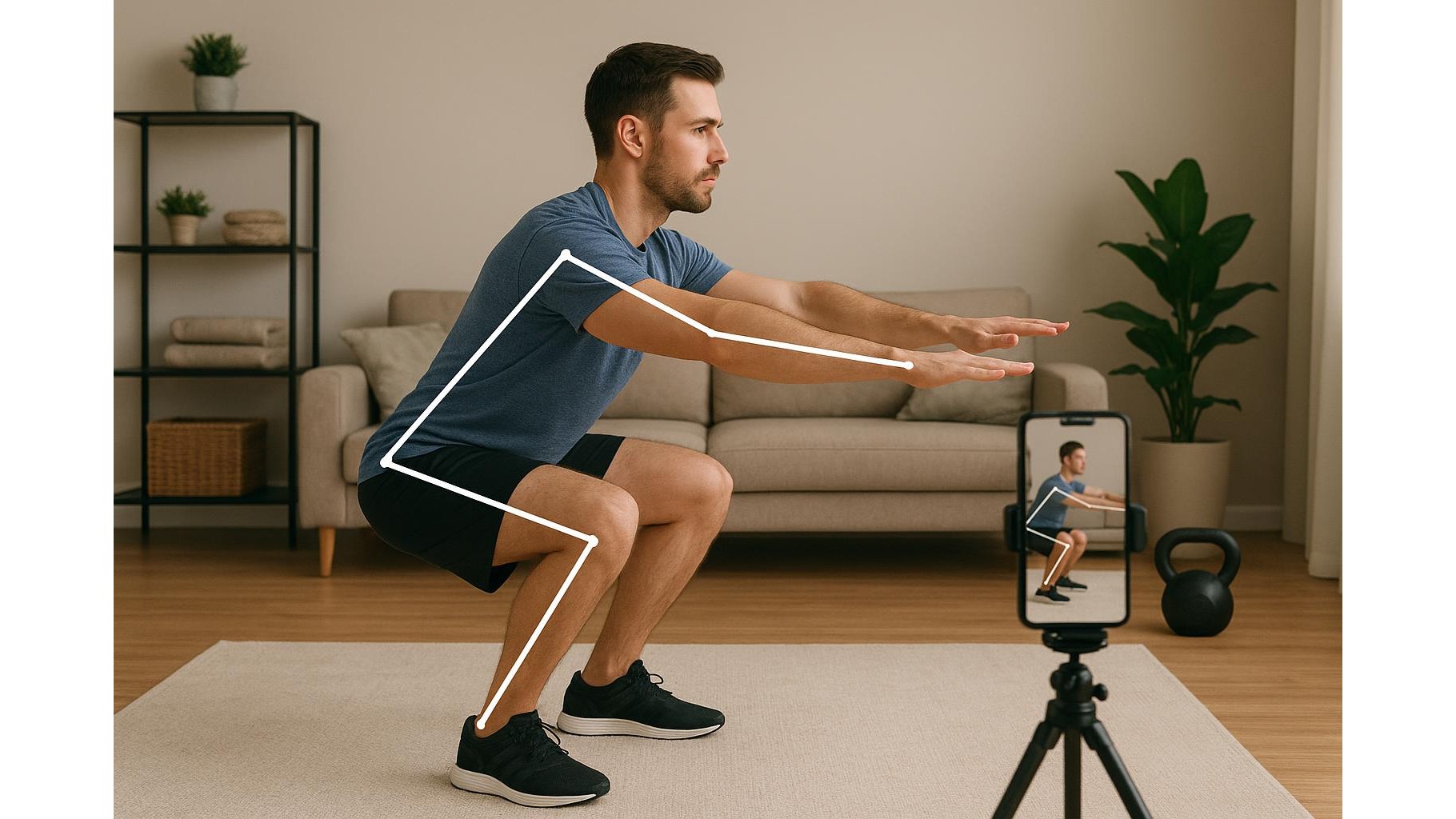
You do not need an advanced system to start improving your technique. Position your smartphone or laptop so the camera can see your full body from the side or at a 45‑degree angle. Record short clips of key lifts—squats, deadlifts, push‑ups, rows—and then review them between sets. Look for neutral spine, knee tracking over toes, even weight distribution, and smooth, controlled movement. Simple free movement apps and basic video players with slow‑motion and frame‑by‑frame features can help you pause at the bottom and top of each rep to check alignment and joint positions.
What to focus on: joint angles and alignment
To get the most from posture and form‑tracking tools, focus on a few key checkpoints rather than every tiny detail. For lower‑body exercises, watch your knee alignment (avoiding knees collapsing inward), hip hinge (pushing hips back rather than rounding the back), and ankle mobility. For upper‑body work, check shoulder position (not shrugging up), wrist neutrality, and elbow path. Many basic apps let you draw lines or overlay grids, making it easier to estimate joint angles—like keeping the shins roughly vertical in a hip hinge or elbows around 45 degrees from the torso in a push‑up.
Building a feedback routine into your home workouts
To avoid overcomplicating your training, build a simple feedback routine. At the start of a new block or exercise, record your first set from the side. Make one or two corrections based on what you see or what the coaching app suggests. On the next session, record from a different angle to catch issues you may have missed. Keep a brief log of recurring problems (for example, knees caving in on heavy squats) and use that to choose your warm‑up drills and mobility work. Over time, this consistent feedback loop teaches you to connect how correct form looks on camera with how it feels in your body.
Staying safe and progressing with minimal equipment
Basic posture and movement apps work best when you respect their limits. They can’t feel joint pain or diagnose injuries, so if you notice persistent discomfort, consult a professional. Use technology mainly to enforce safe technique: neutral spine, controlled tempo, and full but comfortable range of motion. As your form improves, you can gradually increase load, volume, or exercise complexity while continuing to spot‑check your posture on video. This approach lets you progress your home strength training and bodyweight routines with more confidence and less risk, even without a personal trainer in the room.
By combining simple camera‑based apps with deliberate practice, you turn your living room into a more effective coaching environment. Checking posture, tracking joint angles, and reviewing your own movement builds awareness and consistency that carry over to every rep. Treat these tools as objective mirrors rather than magic solutions, and you will steadily refine your form, enhance performance, and lower your injury risk during home workouts.