
Support & Recovery
-
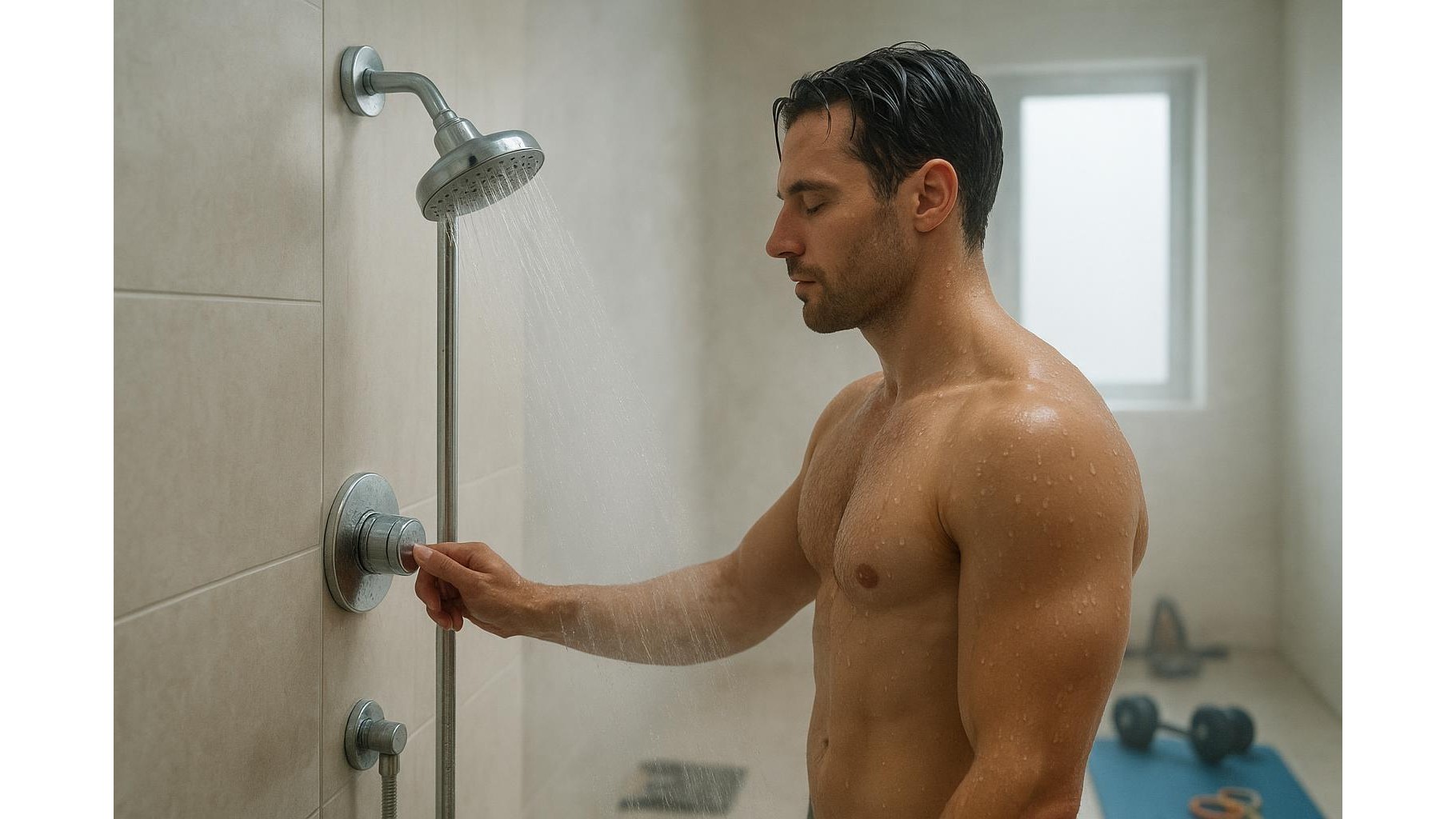
Cold shower protocols after home workouts: what actually helps recovery
Using a cold shower after home workouts is one of the simplest ways to feel fresher, reduce the perception of soreness and cool down when you do not have access…
-

Breathing skills for home athletes: techniques to calm pre-workout anxiety and boost focus
Feeling tense before a home workout is normal, but carrying that anxiety into your session can drain energy and ruin your focus. Learning simple, structured breathing techniques gives you a…
-
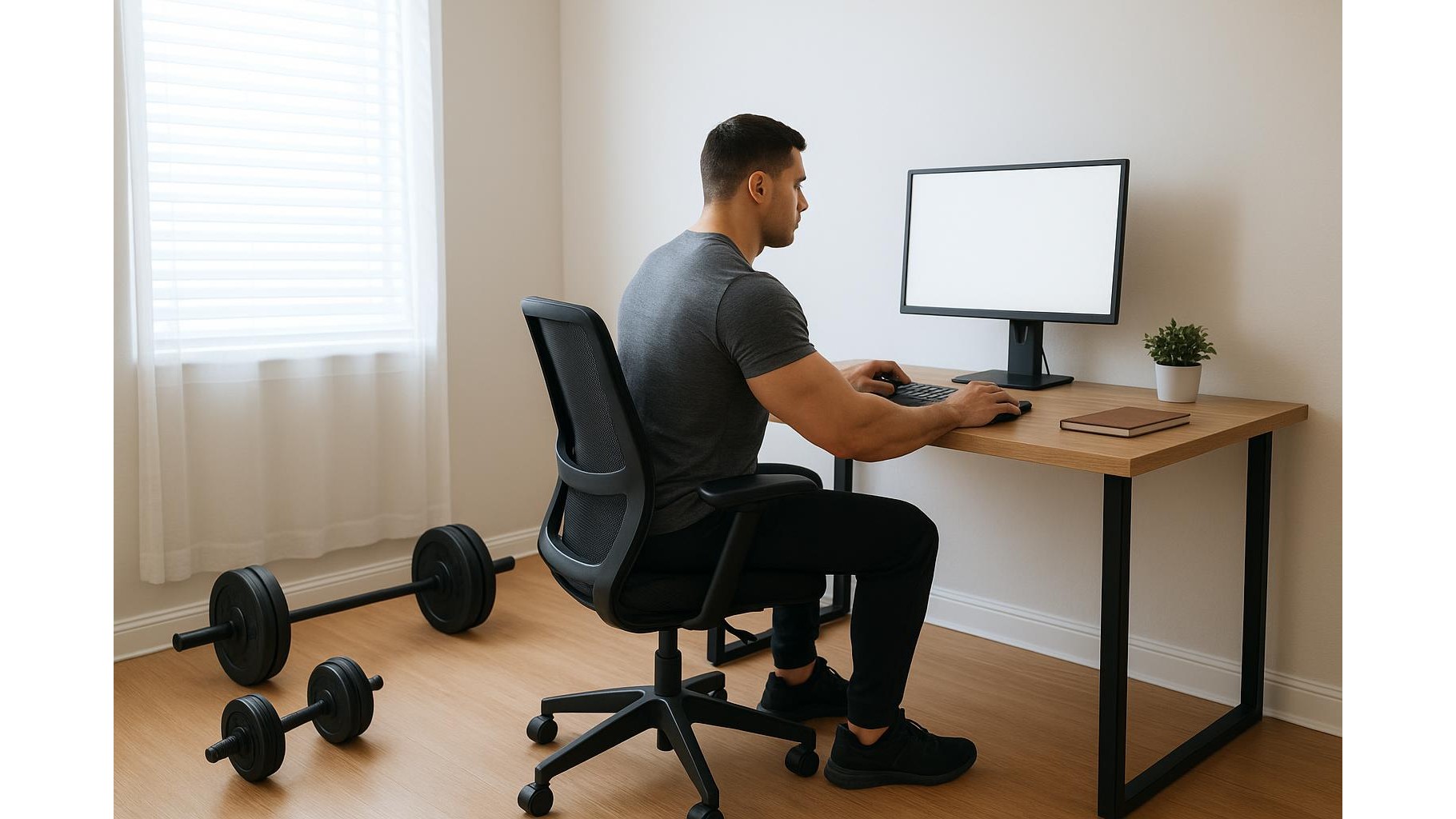
Home office ergonomics for lifters: set up your desk to help recovery between workouts
When you lift hard but work all day at a desk, your home office ergonomics can make or break your recovery. Slumped shoulders, a rounded lower back and a craned…
-
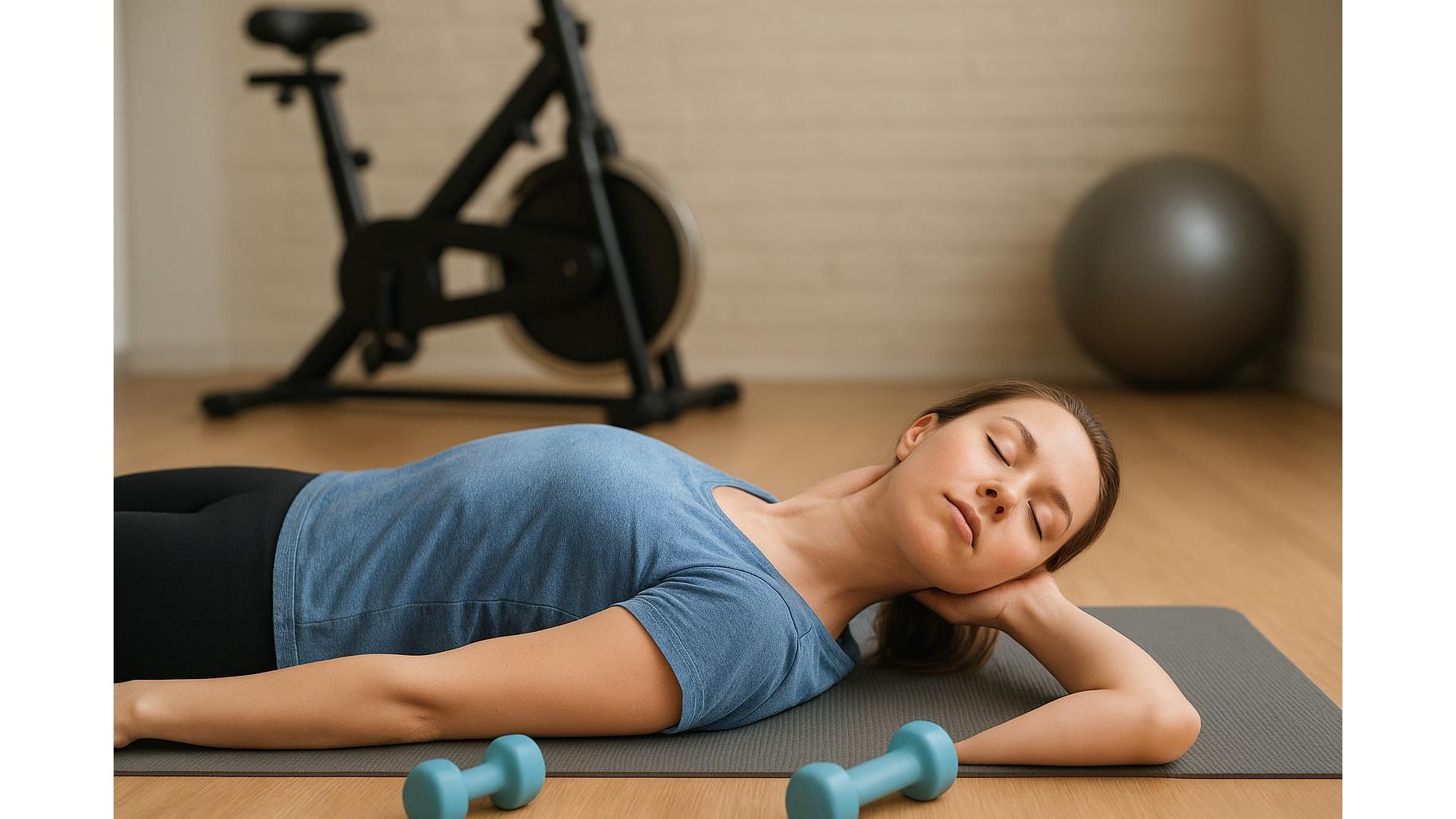
At‑home neck and jaw relaxation routine after intense home cardio
After an intense home cardio workout, it is common to feel tightness in the neck, jaw and upper traps. Shallow breathing, shoulder shrugging and jaw clenching all increase tension and…
-
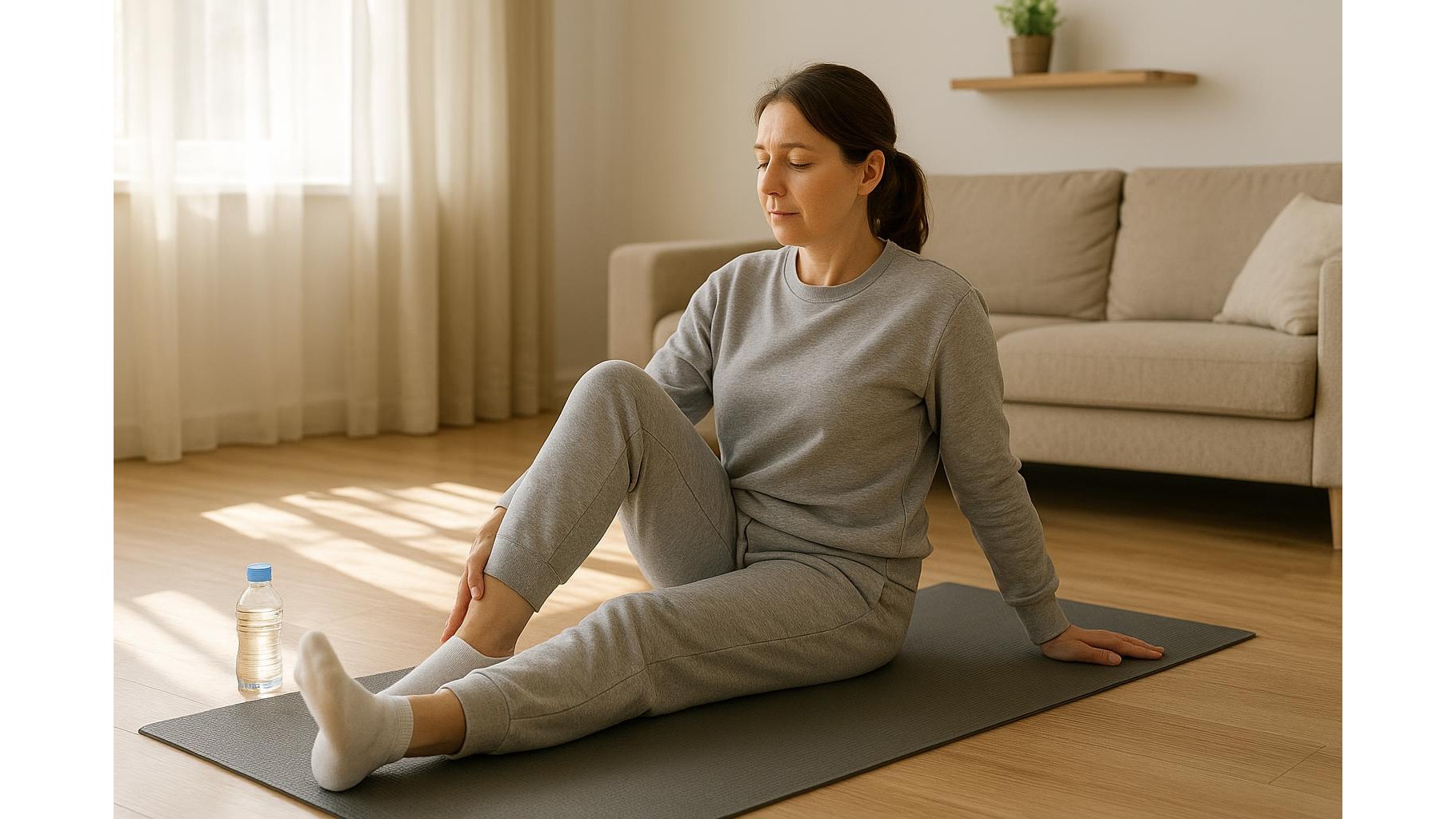
Coming back to home workouts after flu or COVID: a step-by-step recovery roadmap
Coming back to home workouts after flu or COVID can feel frustrating: your fitness has dipped, energy is low and even light movement can leave you out of breath. A…
-
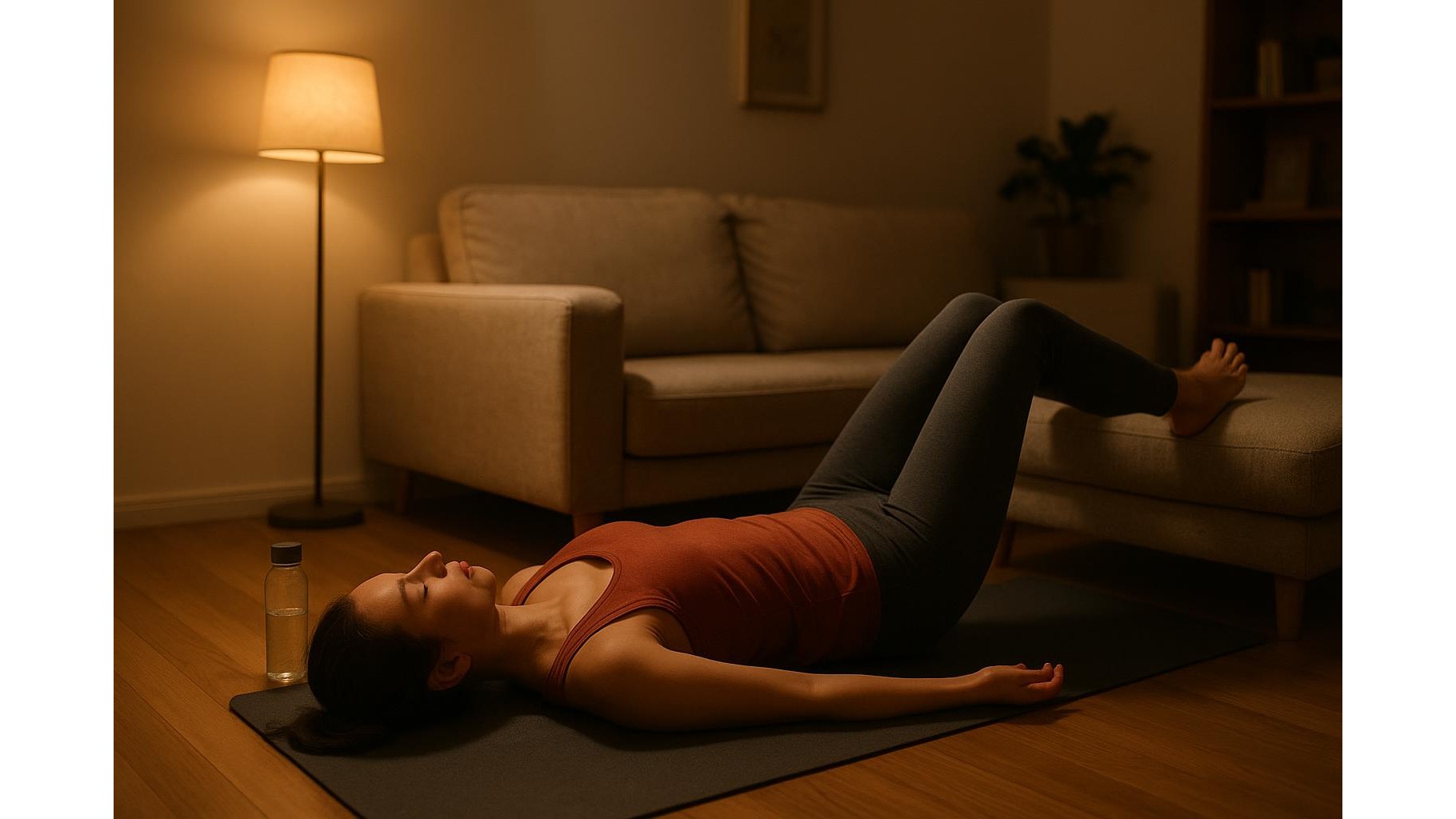
Post-workout rituals at home: simple recovery habits to wind down body and mind in 20 minutes
Finishing a tough home workout is only half the job. The way you cool down and take care of your body and mind in the next few minutes can make…
-
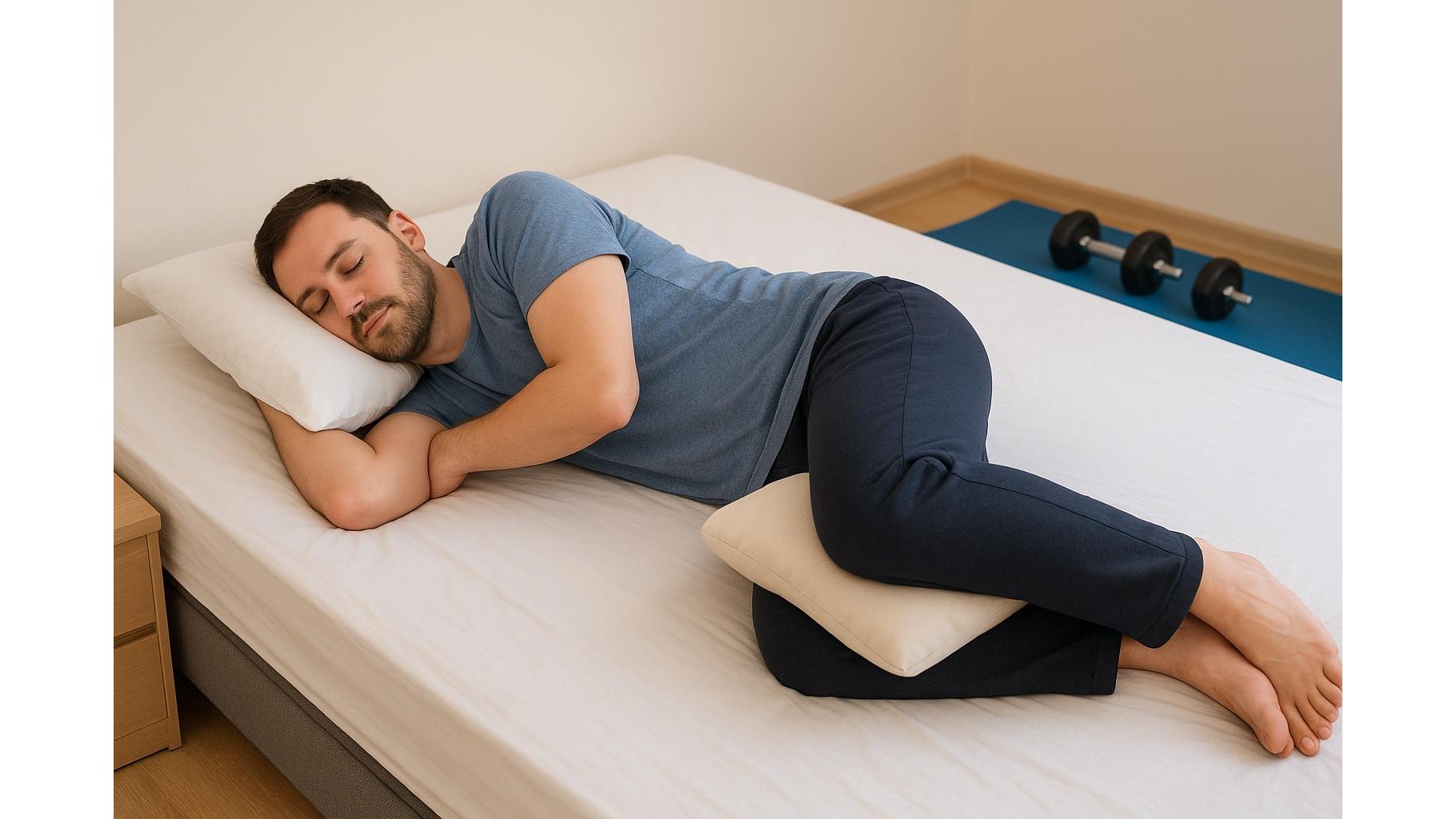
Best sleep positions for home lifters: how to wake up with fewer aches
If you train hard in your home gym but wake up with a stiff back or aching shoulders, your sleep position might be holding back your recovery. While you cannot…
-
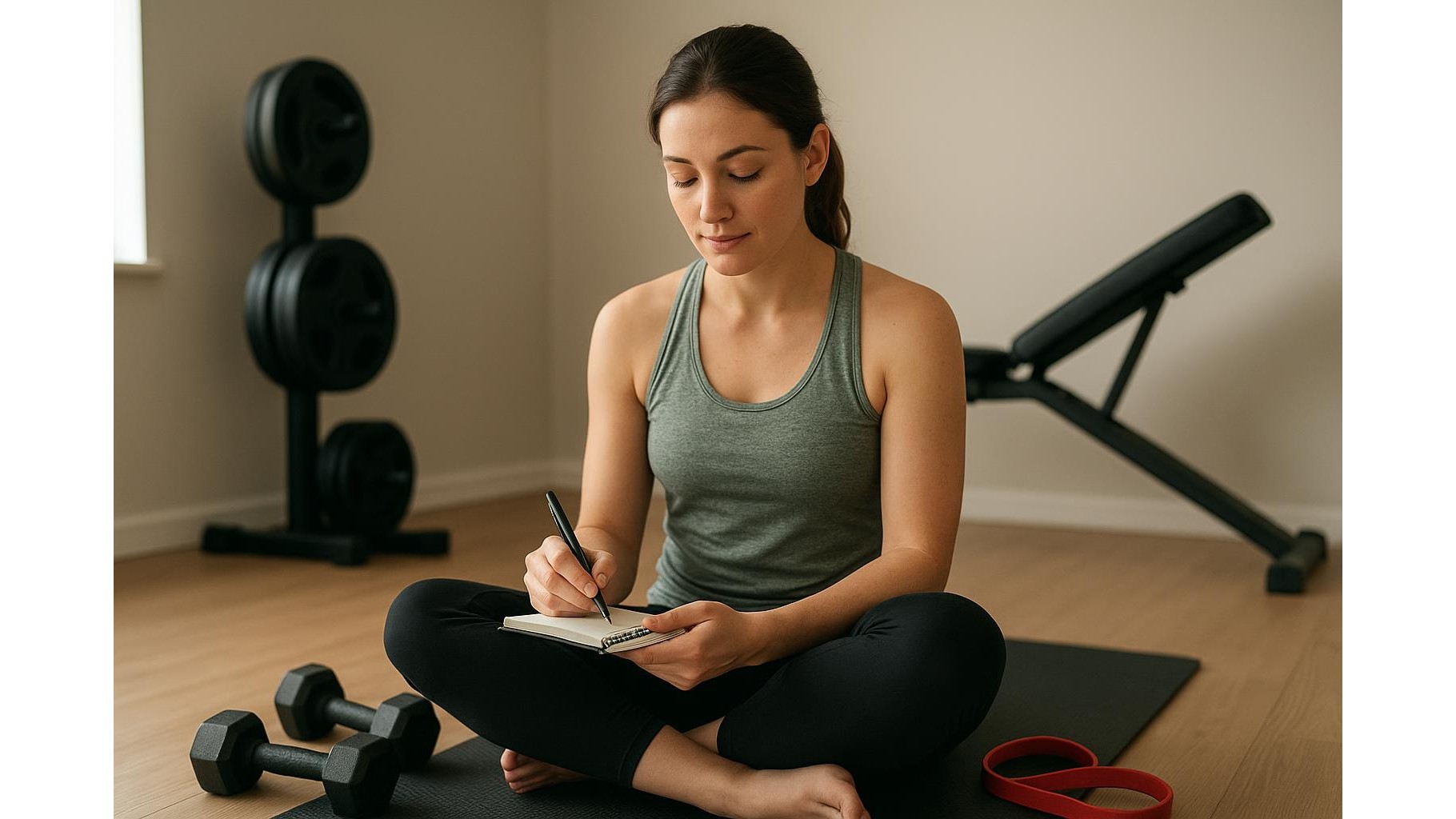
Home fitness journaling for recovery: how to track mood, energy and stress after workouts
Turning your home into a mini gym is powerful, but the real progress often happens in your notebook, not just in your dumbbells. A simple home fitness journal helps you…
-
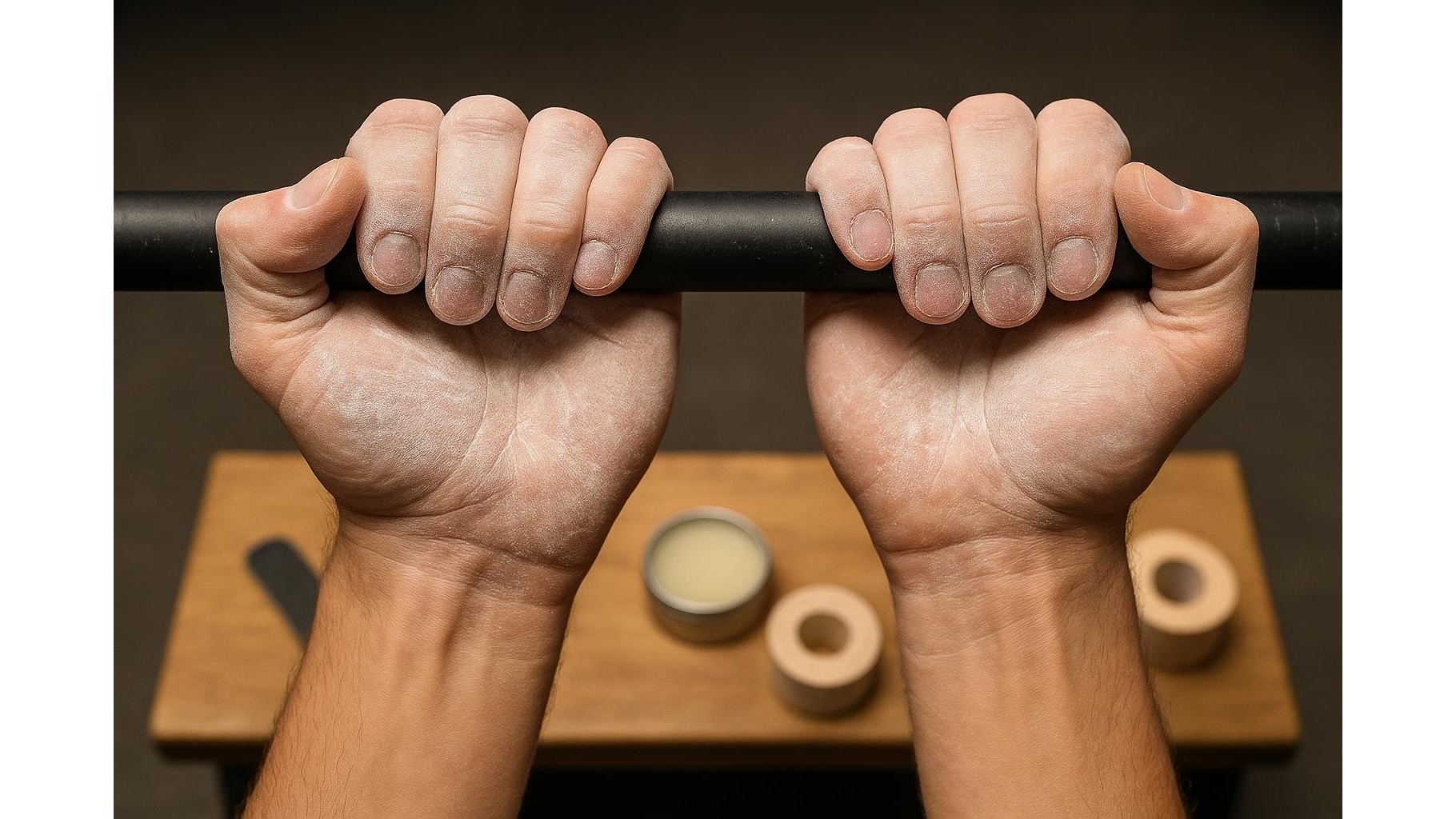
Hand and callus care for home lifters: how to protect your grip without losing toughness
Lifting at home often means more contact with rough knurling, improvised pull-up bars, and long sessions without a coach reminding you to look after your hands. Over time, that can…
-
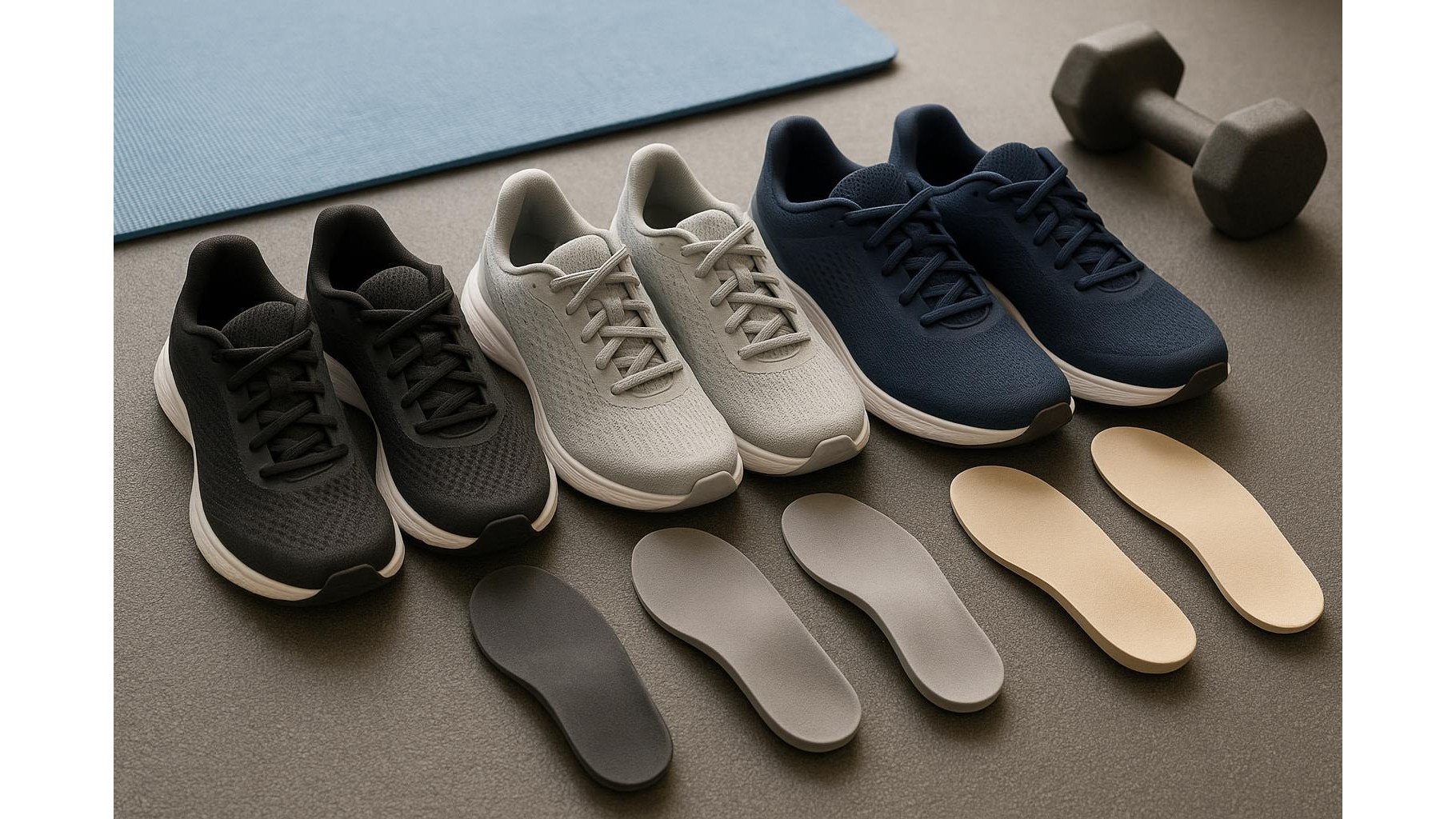
Rotating shoes and insoles for safer home workouts: how and when to swap them
Building a safe home gym isn’t only about weights and machines. Your training shoes and supportive insoles are the first line of defence for joints, tendons and lower back. Rotating…