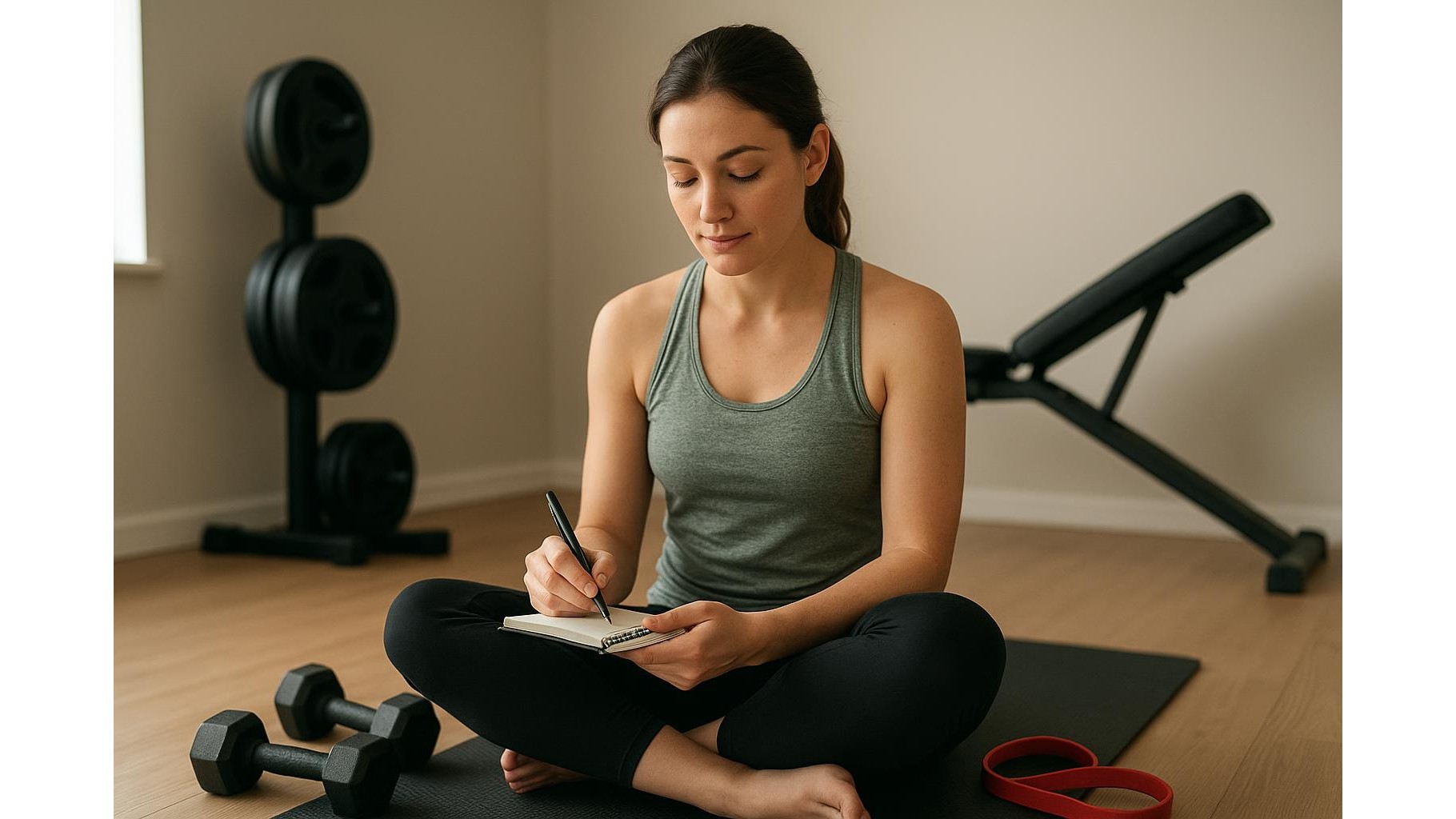
Turning your home into a mini gym is powerful, but the real progress often happens in your notebook, not just in your dumbbells. A simple home fitness journal helps you track more than sets and reps: it captures mood, energy, sleep and stress so you can adjust training volume, avoid burnout and support sustainable gains. Instead of guessing why some weeks feel amazing and others feel terrible, journaling gives you data about how your body and mind respond to your routine.
Why recovery journaling matters in a home gym
Training at home often means fewer external cues and less structure. You might push hard because the equipment is right there, or skip rest because you feel guilty taking a day off. A recovery‑focused training journal builds in that missing structure. By writing down how you feel before and after each workout, you start spotting patterns: poor sleep leading to heavy legs, or high work stress making you more injury‑prone. Over time, this prevents chronic fatigue and helps you balance workload and recovery instead of constantly oscillating between overdoing it and doing nothing.
How to set up a simple mood and energy tracking system
You do not need a fancy template to start. Dedicate one page per week and one line per workout. For each session, log four quick ratings on a 1–5 scale: mood (1 = very low, 5 = great), energy, sleep quality and muscle soreness. Add your workout type and duration. At the end of the week, skim your notes and highlight low‑score days. Ask: did I train hard despite poor sleep? Did my mood improve after lighter sessions? This minimalist system turns vague feelings into a visible pattern, helping you adjust intensity before problems show up as pain or exhaustion.
Linking stress and sleep to your training volume
Recovery journaling works best when you actively connect lifestyle stress to your workout choices. On days you report high stress, short sleep and elevated soreness, use your journal as permission to reduce volume: fewer sets, lower loads or a shorter session focused on technique and mobility. On days with good sleep and high energy, you can confidently push harder. Over several weeks, you will notice trends such as busy work periods consistently lowering your readiness. Instead of forcing yourself through heavy sessions, you intentionally schedule deload weeks or extra rest, which keeps progress moving forward rather than stalling through overtraining.
Practical prompts to capture how your body feels
Beyond numbers, short written prompts make your journal far more actionable. After each workout, take one minute to answer: “What felt strong today?”, “What felt tight or painful?”, and “What do I need before my next session?” Keep answers to one or two short lines. This helps you notice recurring warning signs such as the same joint always feeling stiff or your motivation dipping every Friday. You can also add a quick evening check‑in: “How well did I unwind?” and “Did I fall asleep easily?”. These reflections connect your post‑workout routine—stretching, breathing, screens before bed—to the quality of your recovery, so you can tweak habits instead of only tweaking exercises.
Turning your journal into a long‑term progress map
Over months, your home fitness journal becomes a map of what truly works for your body. Once a month, review your entries and look for links between training frequency, sleep consistency and mood trends. Did three strength sessions plus one mobility day leave you energetic, while four heavy days in a row left you drained? Did earlier bedtimes correspond with better workouts? Use these insights to design your next block of training: schedule lighter weeks ahead of stressful periods, plan rest days after intense home sessions, and protect the habits—like regular sleep—that clearly boost your readiness. The goal is not perfection, but a sustainable rhythm where recovery and performance support each other.
By consistently tracking mood, energy, sleep and stress around your home workouts, you move from guessing to informed decision‑making. A simple journal helps you recognise when to push, when to back off and how lifestyle factors influence your training. Over time, this mindful approach protects you from burnout, reduces injury risk and makes your home gym a place where progress feels predictable rather than random.