Coming back to home workouts after flu or COVID can feel frustrating: your fitness has dipped, energy is low and even light movement can leave you out of breath. A structured, patient roadmap helps you rebuild safely. In this guide, we’ll walk through warning signs to respect, how to progress from gentle walking to strength work, and practical tips to manage fatigue, breathing and motivation in your home gym.
Listen to your body before pressing play
Before restarting any home training, make sure you are symptom free for several days and able to perform basic daily tasks without feeling wiped out. Red flags that mean you should delay exercise and speak to a doctor include chest pain, heart palpitations, dizziness, shortness of breath at rest, high fever or a relapse of symptoms when you do light activity. After COVID, many people also notice an increased heart rate for simple tasks; this is a sign to keep intensity low. Think of the first 1–2 weeks as a health check period rather than a fitness comeback. If in doubt, choose less, not more: your immune system and lungs are still recovering, even if you feel impatient.
Start with walking, breathing and mobility
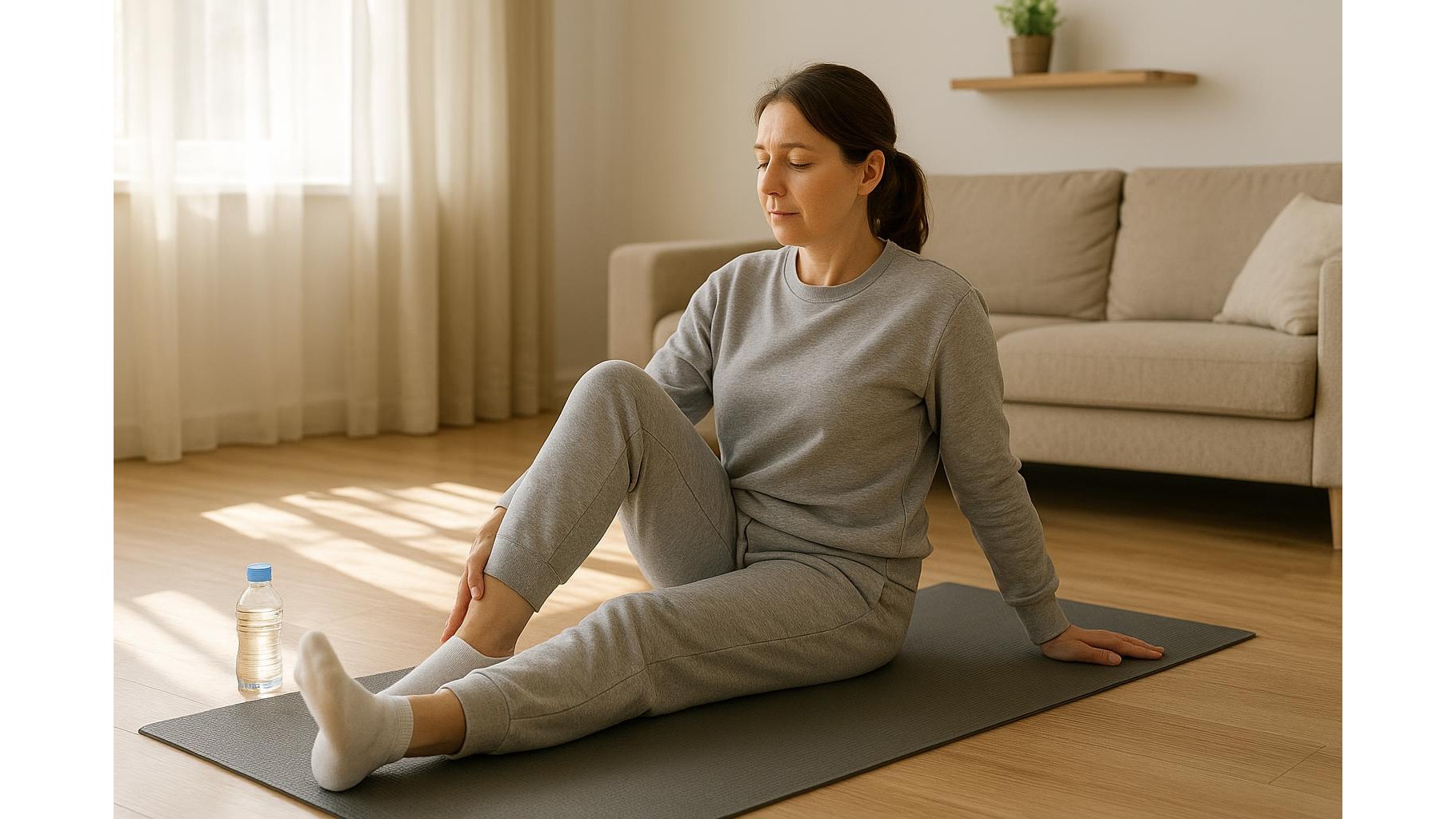
The safest way to restart is to focus on low-intensity movement. Begin with short indoor walking sessions around your home, or gentle marching in place for 5–10 minutes, checking that your breathing stays comfortable and you can still talk in full sentences. Add simple mobility drills for the neck, shoulders, hips and ankles to ease stiffness from days spent in bed or on the sofa. Intentional breathing exercises are crucial after respiratory illness: practice slow nasal breathing, expanding your rib cage, then exhaling fully through pursed lips. Two to three short sessions per day are more effective and safer than one long workout at this stage.
Phased progression to light home cardio
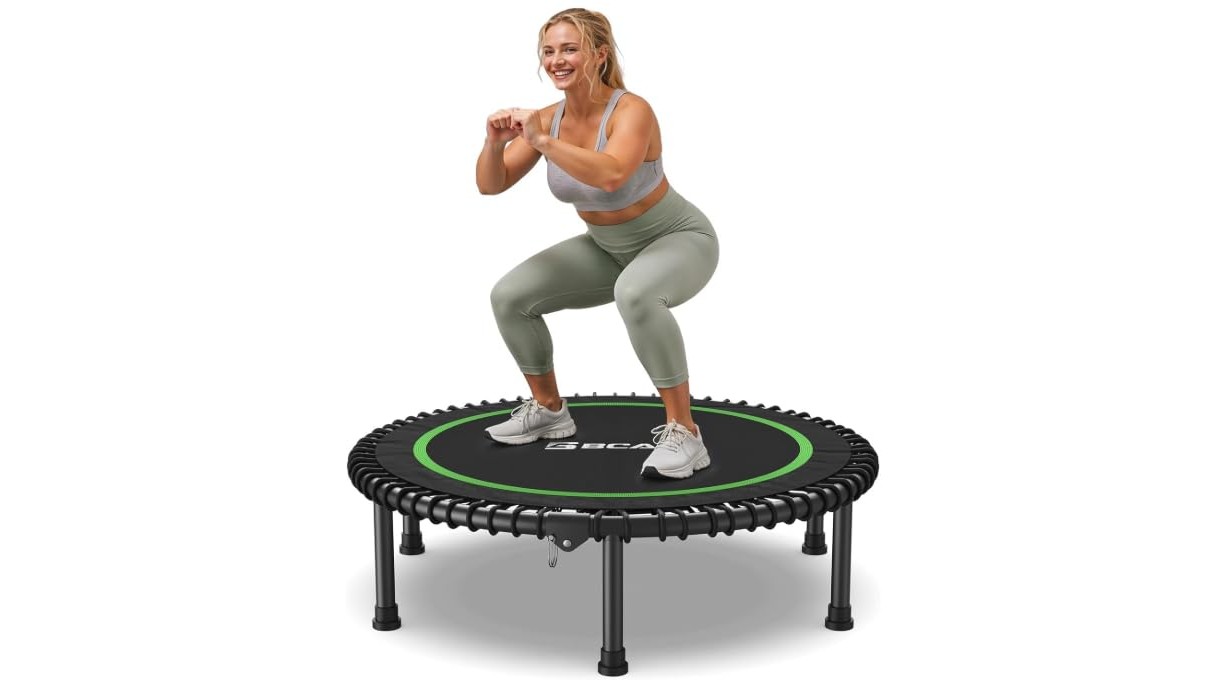
Once you can walk for 15–20 minutes without unusual fatigue during the day and the next morning, you can introduce gentle home cardio. Use simple tools you may already own, like a mini step or a low bench, and keep intensity at an easy pace: you should breathe deeper but never gasp. Apply a phased plan: in week one, limit yourself to 10–15 minutes of steady, light effort; in week two, if recovery feels good, build to 20 minutes and only then add short 30–60 second segments that are slightly more challenging. Always monitor your heart rate and how you feel 24 hours later: increased soreness, heavy fatigue or sleep disruption are signals to scale back. After illness, the goal of cardio is restoring tolerance to activity, not chasing personal records.
Reintroducing strength work in your home gym
When basic cardio feels manageable, you can reintroduce strength training at home. Start with bodyweight moves such as wall push-ups, chair squats and supported lunges, doing just 1–2 sets of 8–10 controlled reps. Focus on form and breathing rather than load and speed. If you normally train with dumbbells or resistance bands, begin with about 50% of your usual weight or band resistance and avoid training to failure. Leave at least one rest day between strength sessions in the first two weeks. A good rule of thumb: when a session feels “too easy” and you recover well the next day, then you may add a little volume or resistance. Building up slowly protects your joints, muscles and nervous system while they are still regaining resilience.
Managing fatigue, breathing and motivation day by day
Post-flu and post-COVID recovery often comes with unpredictable fatigue and breathlessness. Use a simple 1–10 scale to rate your daily energy; on low-energy days, switch to shorter, very light sessions of stretching and breathing. Prioritise sleep, hydration and nutrient-dense meals to support your immune system and muscle repair. To keep motivation high, set process goals such as “move gently for 10 minutes” instead of performance goals like “run 5 km”. Track small wins: stairs feeling easier, less need to pause for breath, or better posture during exercises. Remind yourself that consistency beats intensity: your comeback is successful not when you hit your old numbers, but when you can train regularly without provoking setbacks.
Returning to home workouts after flu or COVID is not about toughness but about strategic patience. By respecting warning signs, progressing step by step from walking to strength work, and adjusting to your daily energy and breathing, you can rebuild fitness safely and sustainably. Take the long view, listen closely to your body and use your home gym as a space for recovery, not punishment. With time, your strength, stamina and confidence will return.