Using a home treadmill is convenient, but many people just hit “Quick Start” and jog at one pace. To make real cardio progress, you need to use interval programs that alternate work and recovery. Modern home machines include built-in interval presets for speed and incline; with a bit of structure, you can turn those generic options into effective training plans that steadily improve fitness, fat loss and running performance.
Choosing the right treadmill and interval mode
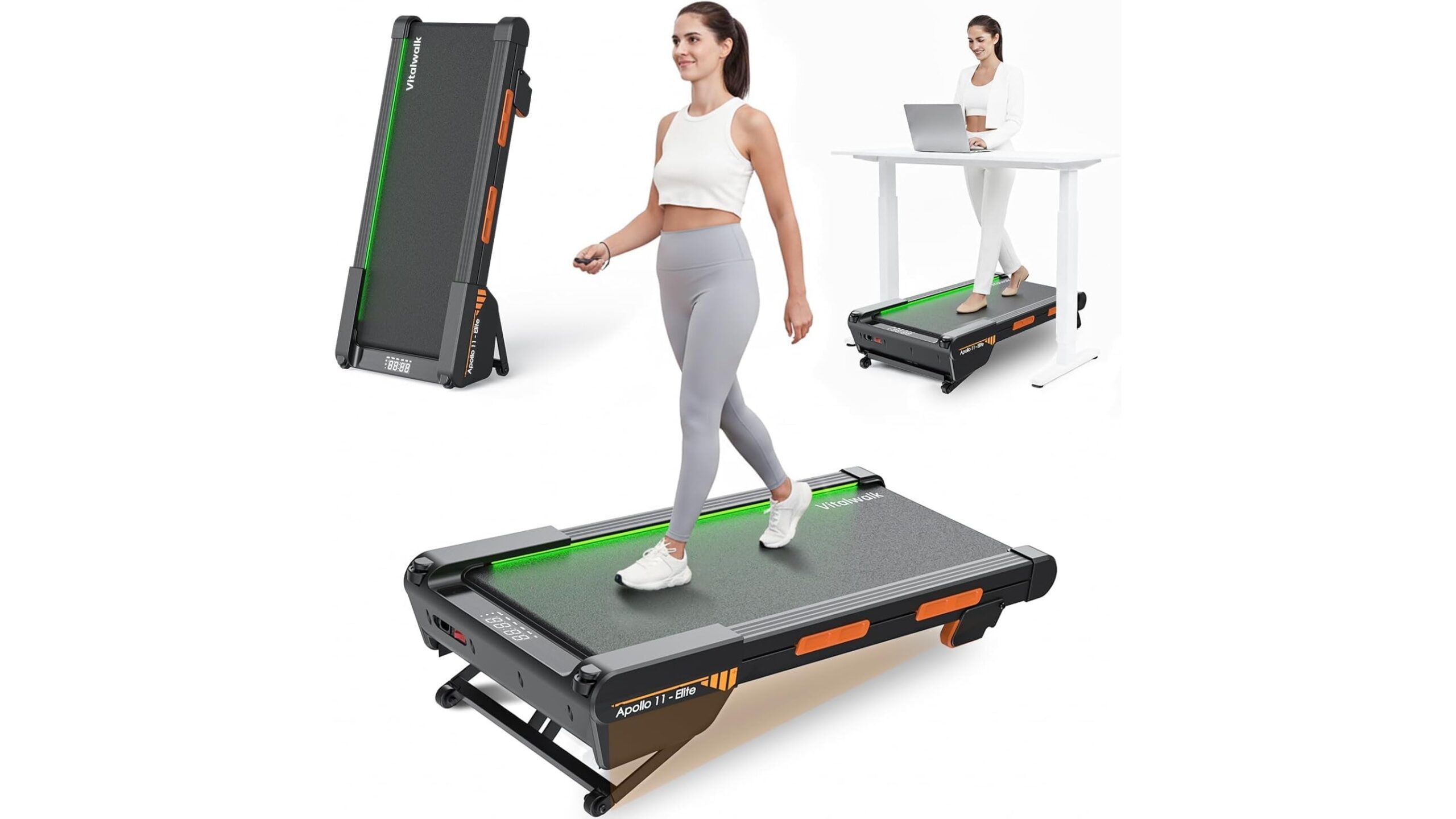
Before you start pressing buttons, make sure your treadmill can actually support structured intervals. Look for models with preset HIIT or interval programs and variable incline. For example, the Superun Walking Pad Raceable 6% Incline 2.5HP Under Desk Treadmill offers built-in HIIT & MIIT programs and a 6% incline, ideal for low-impact hill intervals. If you want more variety and automatic hills, the Vitalwalk Walking Pad with Incline adds up to 15% auto incline for serious climbing intervals, while the 6 in 1 Folding Treadmill with 9% Incline combines under-desk walking with faster running speeds up to 12 km/h. Any of these can run preloaded interval profiles that you can fine-tune to your level.
How to set speeds and inclines to your fitness level
Generic interval programs don’t know your fitness, so you must scale speed and incline yourself. A simple rule is to define three zones: easy, moderate and hard. On models like the Superun or Vitalwalk, start with your easy pace—where you can talk in full sentences—as the recovery speed. Set your hard interval pace where talking is difficult but still sustainable for 30–60 seconds. If you are new to running, walk all intervals and use incline to increase intensity: for example, 0–2% for recovery, 4–6% for work on the Superun, or 5–10% on the Vitalwalk. More advanced users can combine a gentle incline (1–3%) with faster running during work phases on the 6 in 1 Folding Treadmill to simulate outdoor road running.
Turning built-in presets into a weekly plan
To build structured training, pick one or two interval presets and repeat them consistently across the week instead of hopping between random programs. A beginner plan might use a mild interval setting on the Superun Walking Pad twice per week plus one longer steady walk. For example, perform 10–15 minutes of 1-minute hills at 4–6% incline with 1-minute flat recovery. Intermediate users could use the Vitalwalk Walking Pad’s higher auto incline once a week for hill intervals, and the 6 in 1 Folding Treadmill’s faster presets for speed intervals on another day. Aim for 3–4 cardio sessions weekly, alternating HIIT days and easier days to allow recovery. Over 4–6 weeks, gradually add intervals or extend work phases while keeping recovery comfortable.
Progressing your interval workouts safely
Real progress comes from progressive overload: small, steady increases in challenge. On treadmills with app integration, like these three models, use the app data to track speed, incline and duration. Each week, only change one variable: either increase speed slightly, add 0.5–1% incline, or extend the number of intervals. For example, on the 6 in 1 Folding Treadmill, you might keep speed constant but raise the incline from 3% to 4%; on the Superun, you could add two extra intervals at the same pace. Always warm up for at least 5–10 minutes at an easy pace and finish with 5 minutes cool-down to protect your joints. If heart rate or breathing feels out of control, drop back to a lighter preset or reduce incline until you can maintain good form.
Using apps and feedback to fine-tune your cardio
Many modern home treadmills now sync with fitness apps and wearable devices, which makes interval training more precise. The Superun Walking Pad connects to a dedicated app with AI coaching and multiplayer events, useful for keeping motivation high during repeated interval blocks. The Vitalwalk Walking Pad integrates with Apple Health and Strava, so you can compare interval sessions and track calorie burn and distance over time. The 6 in 1 Folding Treadmill works with training apps that provide preset programs and themed challenges, turning your intervals into guided sessions instead of guesswork. Use these tools to monitor trends: is your heart rate lower at the same interval speed after a few weeks? Are you completing more work intervals before fatigue? These are clear signs of improved cardio fitness.
With the right treadmill, well-chosen interval programs, and smart progression, you can turn any living room into a genuinely effective home cardio studio. Models like the Superun, Vitalwalk and 6 in 1 Folding Treadmill give you the key ingredients: adjustable incline, multiple speeds and app-connected guidance. Start conservatively, personalise speeds and inclines to your current level, then gradually layer in more challenging intervals over time. Used this way, your home treadmill stops being a clothes rack and becomes a powerful tool for real, measurable cardio progress.