Training at home should feel comfortable, not itchy. If you live with sensitive skin, eczema or allergies, the wrong outfit can turn a simple workout into a flare-up of redness, heat and chafing. Choosing the right home workout clothes means paying attention to fabrics, seams, fit and even how you wash your garments. Here is how to build an irritation-free kit that lets you focus on your form instead of your skin.
Best fabrics for sensitive skin during home workouts
The safest starting point is the fabric. For many people with eczema or reactive skin, natural fibres like cotton, bamboo and modal feel gentler than rough synthetics. Look for labels that highlight breathable, moisture-wicking and hypoallergenic properties, as trapped sweat can quickly trigger irritation. If you choose performance materials such as polyester or nylon, opt for versions described as soft-touch or brushed, which tend to be less abrasive. Avoid thick or heavily textured fabrics, metallic threads and obvious chemical finishes. At home you are not battling the elements, so you can prioritise comfort over ultra-technical features like compression panels or stiff mesh inserts that may rub.
Seams, waistbands and labels: where irritation starts
For sensitive skin, the way a garment is constructed matters as much as the fibre. Bulky seams, rough overlocking and tight waistbands are common culprits for red, inflamed lines after a workout. Whenever possible, choose pieces marketed as seamless or with flatlock seams, as these lie smoothly against the skin. Look for wide, soft waistbands on leggings and shorts instead of narrow, rigid elastic. Internal labels can also scratch the neck or side; pick clothes with printed care labels or remove tags carefully before wearing. Because home exercise often involves floor work, check how the fabric feels when you bend and stretch: any area that digs in when you curl, twist or sit will likely become a hotspot of irritation over time.
Choosing skin-kind fits for bras, tops and leggings
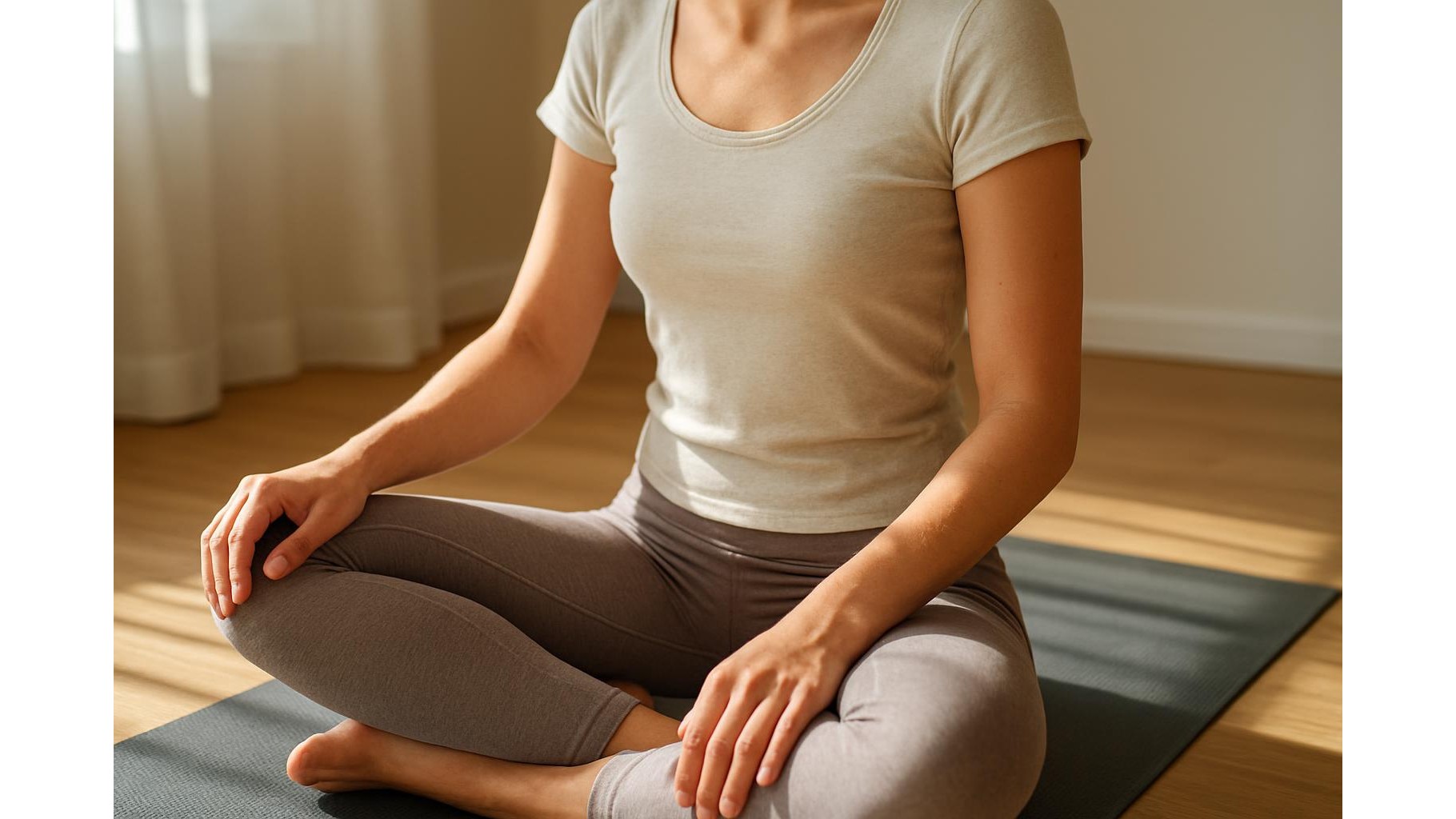
Fit is critical when you have easily irritated skin. For sports bras, look for wide straps, a supportive but not crushing underband and smooth cups without thick embroidery or rigid inserts. At home you may not need maximum-impact support, so a softer, lighter bra can reduce pressure points. For tops, slightly looser fits that skim rather than cling are often kinder because they allow air circulation and minimise friction over sensitive patches. Longline tank tops can prevent waistbands from rubbing directly on the midriff. With leggings, aim for a comfortable high rise and enough stretch that the fabric moves with you instead of sawing across the knees or behind the thighs. If you are between sizes, sizing up can reduce tightness and the risk of rubbing, especially during longer sessions.
Smart layering and outfit planning for flare-up days
On days when eczema or allergies flare, planning your home workout outfit strategically can make the difference between sticking to your routine and skipping it. Start with a very soft, breathable base layer that you know your skin tolerates well, such as a thin cotton or bamboo T-shirt, and layer any synthetic performance pieces on top so they do not sit directly on irritated areas. If certain zones like the inner arms or the backs of the knees are prone to rashes, choose garments that do not have seams placed exactly there. For floor exercises, use a smooth towel over your mat to avoid friction on elbows and hips. Because you control the indoor climate, keep the room cool to limit sweating, which can sting sensitive skin and make fabrics feel harsher.
Washing and caring for irritation-free workout clothes
Even the gentlest workout clothes can cause problems if they are washed with harsh products. Use a fragrance-free, dye-free detergent designed for sensitive skin, and avoid fabric softeners, which often leave residue that can provoke itching. Run an extra rinse cycle to make sure no detergent remains in the fibres, especially on bras and garments that sit close to the skin. Wash new clothes before first use to remove finishing chemicals, and keep your workout kit separate from heavily scented household laundry. Drying clothes thoroughly, preferably in the open air, helps prevent musty odours that might tempt you to use stronger detergents or perfumes. With the right care routine, your irritation-free outfits will stay soft, breathable and comfortable for many home sessions.
Building a collection of home workout clothes for sensitive skin takes some attention to detail, but it is worth the effort. Focus on soft, breathable fabrics, smooth seams, gentle fits and hypoallergenic washing habits, and you will greatly reduce the risk of flare-ups while you train. When your clothing stops distracting or aggravating your skin, you can concentrate on consistent movement, better technique and the real goal of your home gym: feeling stronger, calmer and more at ease in your own body.