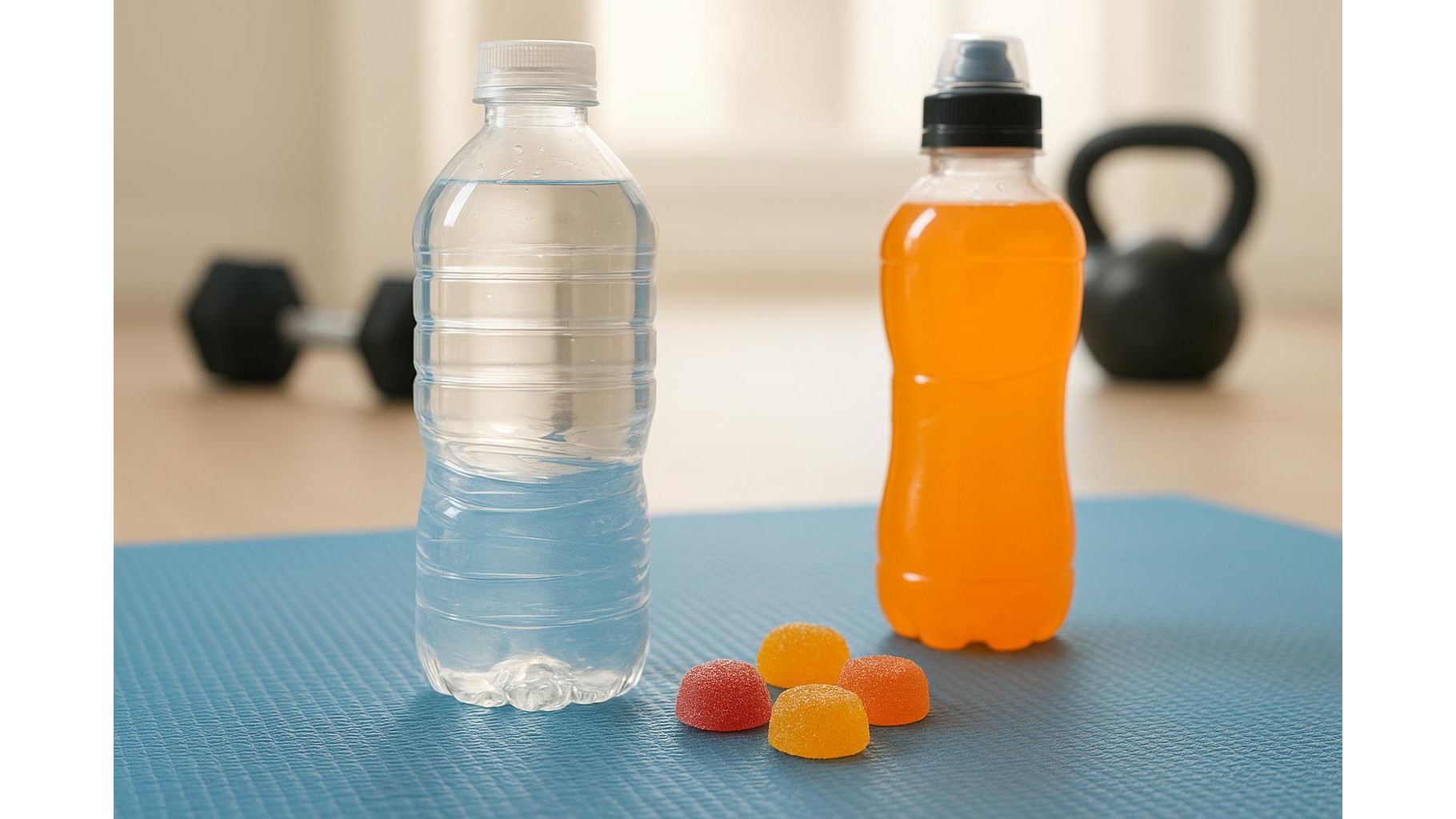
When you train in your home gym, staying hydrated is just as important as choosing the right dumbbells or resistance bands. In recent years, electrolyte gummies have emerged as a convenient alternative to traditional sports drinks, promising better hydration without the bulk of a bottle. But do they really make sense for your short and long workouts at home, or are you just adding unnecessary sugar and calories to your routine? This guide compares both options so you can make smart, evidence-based choices.
What electrolytes actually do during your workout
Both electrolyte gummies and sports drinks are designed to replace minerals lost through sweat. The key players are sodium, potassium, magnesium and sometimes calcium. Sodium helps your body retain water and supports nerve function; potassium and magnesium support muscle contraction and help reduce the risk of cramping. For most short home workouts under 45–60 minutes, plain water is usually enough, especially if the session is low to moderate intensity. Electrolyte-focused products become more useful during longer sessions, very hot environments, or high-sweat workouts such as intense cardio, HIIT or long indoor cycling sessions where you are consistently sweating for over an hour.
Electrolyte gummies at home: pros, cons and when they fit
Electrolyte gummies are essentially chewable supplements that deliver minerals in a small, portable format. Their main advantages are convenience and portion control: it is easy to take one or two gummies before or during a session without opening a bottle, and you know exactly how many milligrams of sodium and other minerals you are getting. They are especially handy if you do fasted workouts and prefer not to drink a whole sports beverage beforehand. However, many gummies contain added sugars or sugar alcohols for taste and texture, which means extra calories that may not be needed for a 30-minute home strength session. When choosing gummies, look for a clear label that specifies sodium content per serving (typically 100–300 mg), limited added sugars, and vitamins only if they serve a real purpose rather than being marketing extras.
Sports drinks: useful fuel or unnecessary liquid calories?
Traditional sports drinks combine electrolytes with carbohydrates, usually in the form of sugars like glucose, sucrose or maltodextrin. This combination is genuinely helpful during long workouts of 60–90 minutes or more at moderate to high intensity, when your body needs not only minerals but also a steady supply of energy. If you are doing long rowing sessions, extended treadmill runs or back-to-back home workouts, a sports drink can help maintain performance and delay fatigue. The downside is that many standard sports drinks contain 20–30 grams of sugar per bottle, equivalent to a small snack that you might not account for. For short home workouts, this can lead to consuming more calories than you burn. If you prefer drinks, opt for lower-sugar or electrolyte-only variants for short sessions, and reserve higher-carb drinks for genuinely long or intense training blocks.
How to avoid unnecessary calories and sugar
The smartest strategy is to match your electrolyte intake to your actual training load. For most 20–40 minute strength or mobility sessions at home, stick to water, perhaps with a low- or zero-calorie electrolyte tablet if you sweat heavily. Reserve electrolyte gummies or sports drinks for longer cardio or circuit workouts exceeding about 60 minutes, particularly if the room is hot or poorly ventilated. Always check the nutrition label: look for products that provide electrolytes with less than 30 calories per serving if you are primarily interested in hydration, not fueling. Avoid products that list sugar as the first ingredient unless you intentionally need quick carbs. Also be cautious with additional stimulants such as caffeine, which may be unnecessary before late-evening home workouts and could disrupt sleep.
Choosing what makes sense for your home gym routine
Instead of asking whether electrolyte gummies or sports drinks are better in general, focus on what makes sense for your home workouts. If your sessions are short, controlled and mainly strength-focused, water will typically cover your needs, with optional low-calorie electrolytes on very hot days. If you regularly perform long, high-intensity cardio or multi-session training at home, a thoughtfully chosen sports drink or precisely dosed gummies can support performance and comfort. In all cases, pay attention to ingredients, electrolyte content, total sugars and serving size. By aligning your hydration strategy with workout duration and intensity, you can stay well hydrated, avoid unnecessary calories and make your home gym routine more efficient and sustainable.
Ultimately, the choice between electrolyte gummies and sports drinks at home comes down to context. For everyday short workouts, neither is essential and water is usually enough. For longer, sweat-heavy sessions, both options can help maintain fluid balance and performance, provided you pick products with transparent labels and reasonable sugar levels. Think of these tools as targeted support rather than automatic additions to every workout. With a bit of label reading and honest assessment of your training, you can hydrate smarter, recover better and keep your home fitness goals on track without hidden liquid calories.