
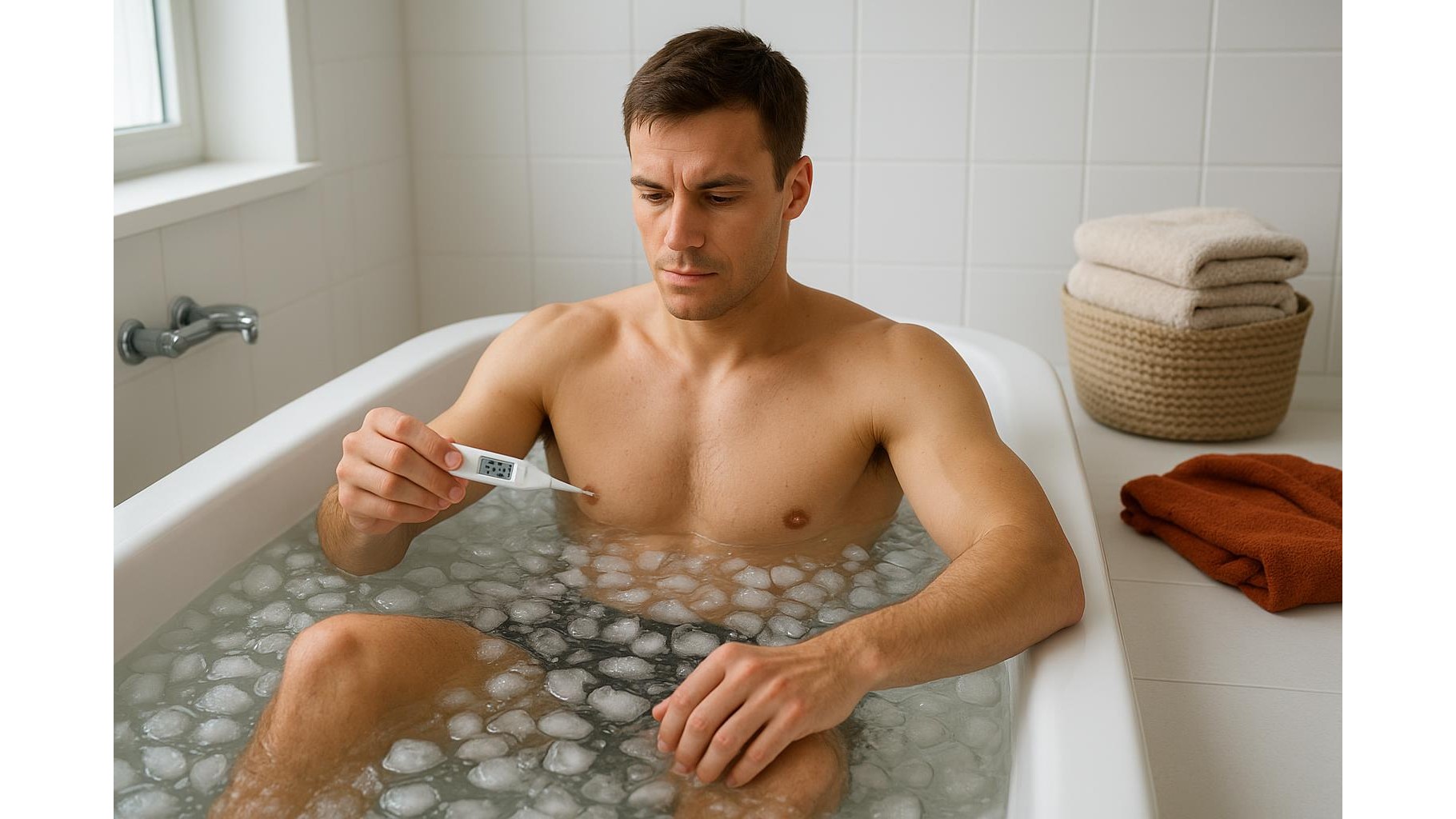
Cold water immersion has moved from elite training centres into the home bathroom. Done correctly, a simple home ice bath can help you feel fresher after intense sessions. Done carelessly, it can increase injury risk or put unnecessary stress on your heart. This guide focuses on a safety-first approach to home ice baths, explaining how to set up a basic bath in your tub, when cold water can support recovery, when you should avoid it, and how to combine it with other recovery strategies.
Setting up a simple and safe home ice bath
You do not need a fancy plunge pool to start with cold water recovery at home. A normal bathtub or a sturdy shower tray is enough. Fill it with cold tap water first, then slowly add ice, mixing with your hand to avoid hot or cold pockets. Aim for a temperature between 10–15°C for beginners; use a cheap pool thermometer to check. Enter slowly, sitting down before extending your legs, and keep your hands on the rim for balance. Limit the first sessions to 5–8 minutes, focusing on calm, controlled breathing instead of trying to “tough it out”. Always have a warm towel and dry clothes ready nearby to reduce the time you spend cold after getting out.
When cold water immersion actually helps recovery
Ice baths work best after intense, high-volume training that causes significant muscle soreness or joint stress, such as heavy strength sessions, repeated sprints, or long endurance workouts. The cold constricts blood vessels and can temporarily reduce swelling and perception of soreness, helping you feel ready for the next demanding session sooner. This can be useful during tournament periods, high-frequency training blocks, or when you have back-to-back workouts. However, for athletes focused on maximising strength and muscle gains, very frequent ice baths immediately after training may slightly blunt adaptation, so reserve them for the hardest days or competition periods rather than every single workout.
Who should avoid ice baths and key safety warnings
Cold exposure is not for everyone. People with cardiovascular conditions, uncontrolled high blood pressure, circulatory problems, Raynaud’s phenomenon, or a history of heart issues should avoid ice baths unless cleared by a doctor, as the sudden constriction of blood vessels can stress the heart. Never use ice baths if you feel unwell, dizzy, or extremely fatigued. Avoid going in alone if you are new to cold water immersion; having someone nearby adds a layer of safety. Do not stay in so long that you start shivering uncontrollably, losing sensation in fingers or toes, or feeling confused—these are signs to get out immediately. After leaving the bath, warm up gradually with clothes and movement instead of jumping into very hot water straight away.
How to integrate ice baths with other recovery methods
An ice bath is only one piece of the recovery puzzle. It should work alongside fundamentals like sleep, nutrition, and active recovery. After a tough workout, start with low-intensity movement such as light cycling or walking, followed by gentle stretching or mobility work. Hydrate and consume a mix of protein and carbohydrates to support muscle repair. Then, if it suits your plan, use a short cold water immersion session to reduce acute soreness. On lighter days, you may skip the ice bath and focus on foam rolling or mobility instead. Remember that consistency in basic recovery habits has a greater long-term impact than any single cold plunge session.
Practical tips for comfort and building tolerance
To make home ice baths more manageable, start with slightly warmer water and shorter durations, then progress slowly as your tolerance improves. Keep your upper body above the water at first, or wear a thin synthetic top and neoprene socks or gloves to reduce discomfort in the extremities. Focus on slow nasal breathing or simple box-breathing patterns to stay relaxed. If you track your training with a diary or app, note how you feel the day after using an ice bath compared with days when you skip it; this helps you understand whether cold water recovery genuinely benefits your performance. Treat the ice bath as a tool: use it deliberately, not as a punishment or a challenge.
Used sensibly, a home ice bath can be a valuable part of your post-workout recovery routine, helping you manage soreness and stay consistent with demanding training blocks. By setting up your bath carefully, respecting time and temperature limits, and understanding when to use or avoid cold immersion, you can gain the benefits without unnecessary risk. Combine ice baths with solid habits like good sleep, smart nutrition and active recovery, and you will get far more from your training than relying on cold alone.









