Training at home makes it easy to focus on your programme, but many home athletes still overlook a key performance ally: the gut microbiome. The trillions of bacteria living in your digestive tract influence how you digest food, absorb nutrients, manage inflammation and even regulate mood and motivation. In recent years, research on probiotics and gut health has exploded, and many athletes now wonder whether a targeted supplement can support performance, recovery and overall wellbeing alongside smart training and nutrition.
Why your gut microbiome matters for home training
Your gut microbiome helps break down carbohydrates, proteins and fats, produces vitamins and short-chain fatty acids, and communicates with your immune and nervous systems. For home athletes, this can translate into more efficient energy use, fewer digestive issues during workouts and better resilience to training stress. An imbalanced microbiome (dysbiosis), often driven by low fibre intake, high ultra-processed foods or frequent antibiotics, is linked to bloating, irregular bowel habits, low energy and increased inflammation. While probiotics are not magic, supporting gut balance can help you feel lighter, more comfortable and more consistent with your training.
What probiotics can (and cannot) do for home athletes
Probiotic supplements provide specific live strains of bacteria that may support digestion, immune function and gut barrier integrity. For active people, evidence suggests certain strains can reduce the risk or duration of common colds, support more regular bowel movements and ease antibiotic-related gut issues. However, probiotics will not directly add kilos to your squat or minutes to your 5K. Think of them as a foundation tool: they may reduce disruptions (like gut discomfort, bloating or illness) that interfere with training. Realistic expectations are key: combine probiotics with a high-fibre diet rich in fruits, vegetables and whole grains, adequate sleep and structured workouts for meaningful results.
How to read probiotic labels: CFU, strains and extras
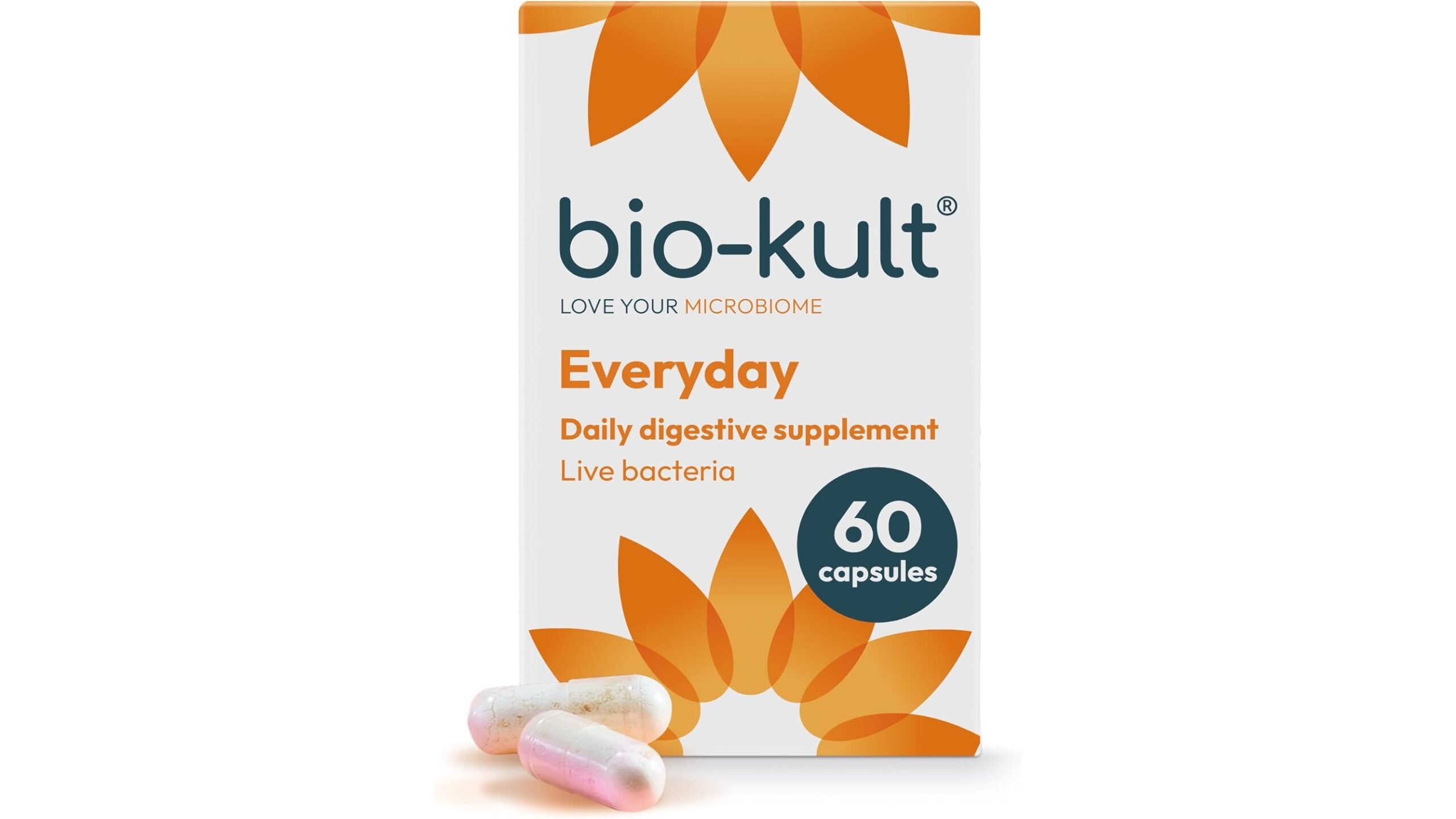
When choosing a probiotic, focus on three things: CFU count (colony forming units), strain diversity and supporting ingredients. A product like Bio-Kult Everyday Multi-Strain Formulation Probiotics for Digestive System offers 14 different strains, including Lactobacillus and Bifidobacterium, to broadly support gut flora and everyday digestion. Others prioritise clarity on dose: Lindens Pro Bio Live Max 6 Billion CFU Capsules clearly highlight 6 billion CFU of Lactobacillus acidophilus per capsule, a common, well-studied species for gut support. Check for vegan or vegetarian suitability, absence of unnecessary fillers, clear daily dosing and whether the product requires refrigeration. CFU numbers matter, but more is not always better; consistency and the right strains for your goals are more important.
Evidence-based picks: gentle daily support for active lifestyles
If your goal is gentle, everyday gut support as you progress your home workouts, look for products designed for long-term daily use. Probio7 Original – Gentle Daily Gut Support combines 7 live bacterial strains with natural fibres such as FOS and acacia gum, giving you a blend of probiotics and prebiotics in one capsule. This kind of formula can support more regular bowel movements, reduced bloating and better tolerance of higher protein intakes common in strength training plans. Similarly, Bio-Kult and Lindens products are designed to be taken daily, do not require refrigeration and are suitable for vegetarians or vegans, making them practical additions to a home athlete’s routine.
When and how to take probiotics around your training
For most healthy home athletes, a simple strategy works well: take your probiotic supplement once daily at approximately the same time, often with breakfast or your first meal. Some evidence and manufacturer guidance suggest taking capsules on a relatively empty stomach for optimal survival through the digestive tract, but consistency is more important than timing perfection. If you are on antibiotics, products like Bio-Kult and Probio7 can be taken at a different time of day to help support your microbiome during and after treatment. Combine supplements with probiotic foods (live yoghurt, kefir, fermented vegetables) and high-fibre choices to “feed” your gut bacteria. Track changes in digestion, energy and training comfort over 4–12 weeks before deciding whether a specific product works for you.
Who should be cautious and when to seek advice
Although probiotics are generally safe for healthy people, not everyone should supplement on their own. If you have a compromised immune system, serious gastrointestinal disease, are pregnant, or take multiple medications, speak with your healthcare provider before starting any new product. Even for healthy home athletes, introduce probiotics gradually and monitor for temporary gas or bloating in the first week or two. Remember that no supplement replaces a balanced diet, adequate hydration or a well-structured training plan. Probiotics are best viewed as a targeted tool to support gut comfort and resilience, helping you stay consistent with the home workouts that ultimately drive performance gains.
In summary, a healthy gut microbiome is a powerful, often underestimated ally for home athletes. While probiotics will not transform your performance overnight, evidence suggests they can support digestion, immune function and overall wellbeing, especially when combined with fibre-rich foods and smart lifestyle choices. By reading labels carefully, choosing reputable multi-strain products such as Bio-Kult Everyday, Probio7 Original or Lindens Pro Bio Live Max, and using them consistently with realistic expectations, you can create a gut-friendly environment that helps you train harder, recover better and feel more comfortable in your own body.