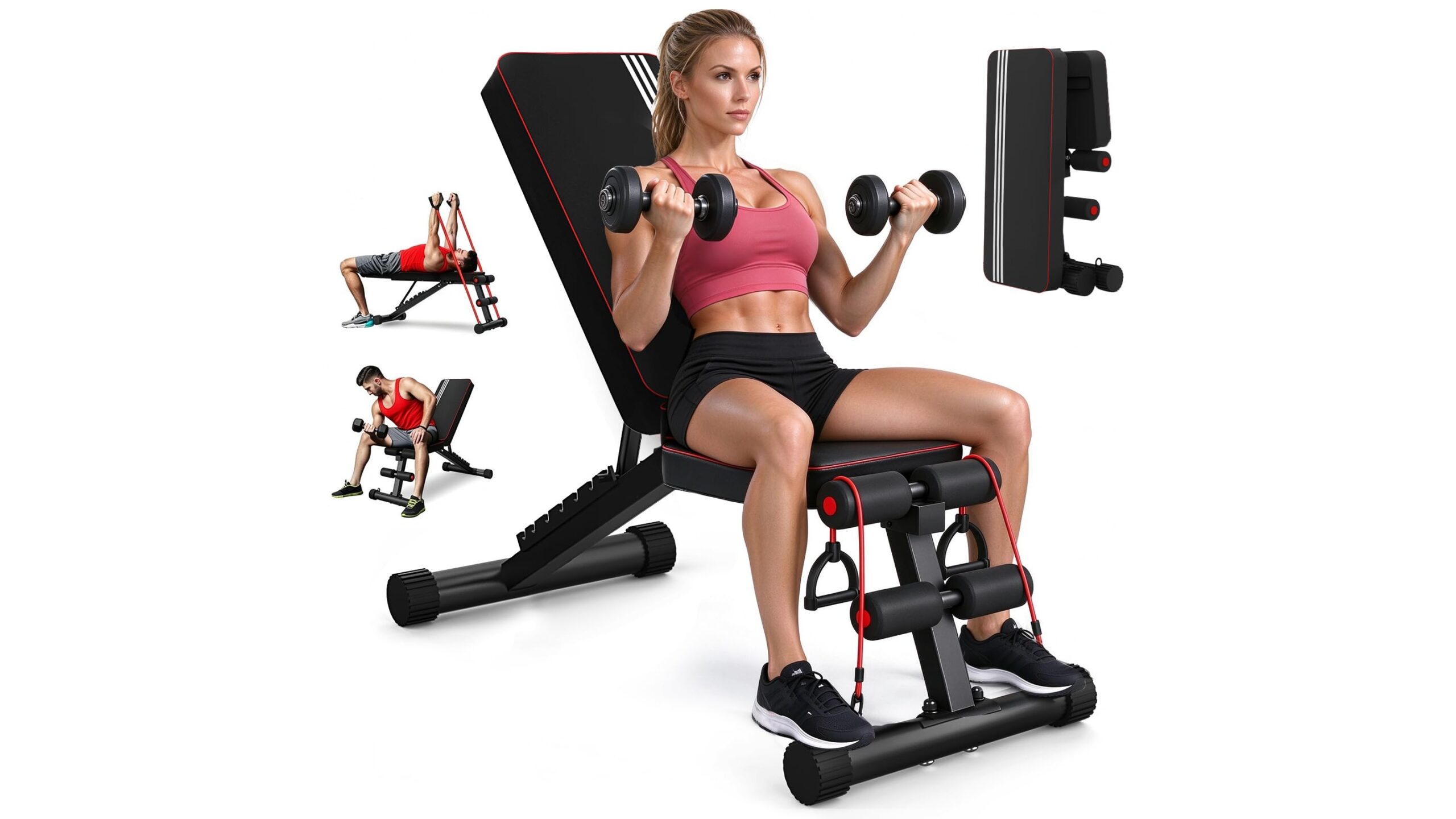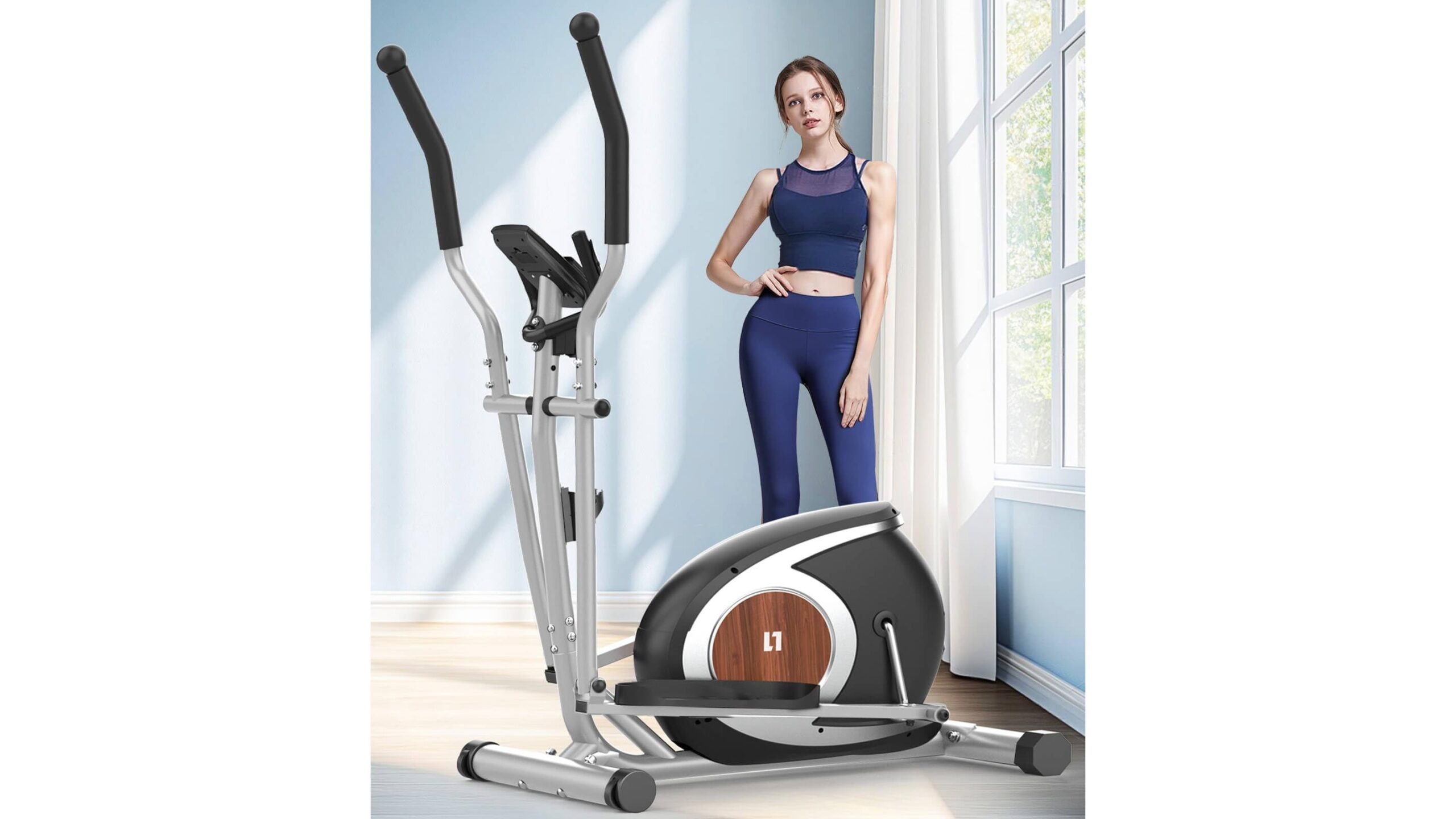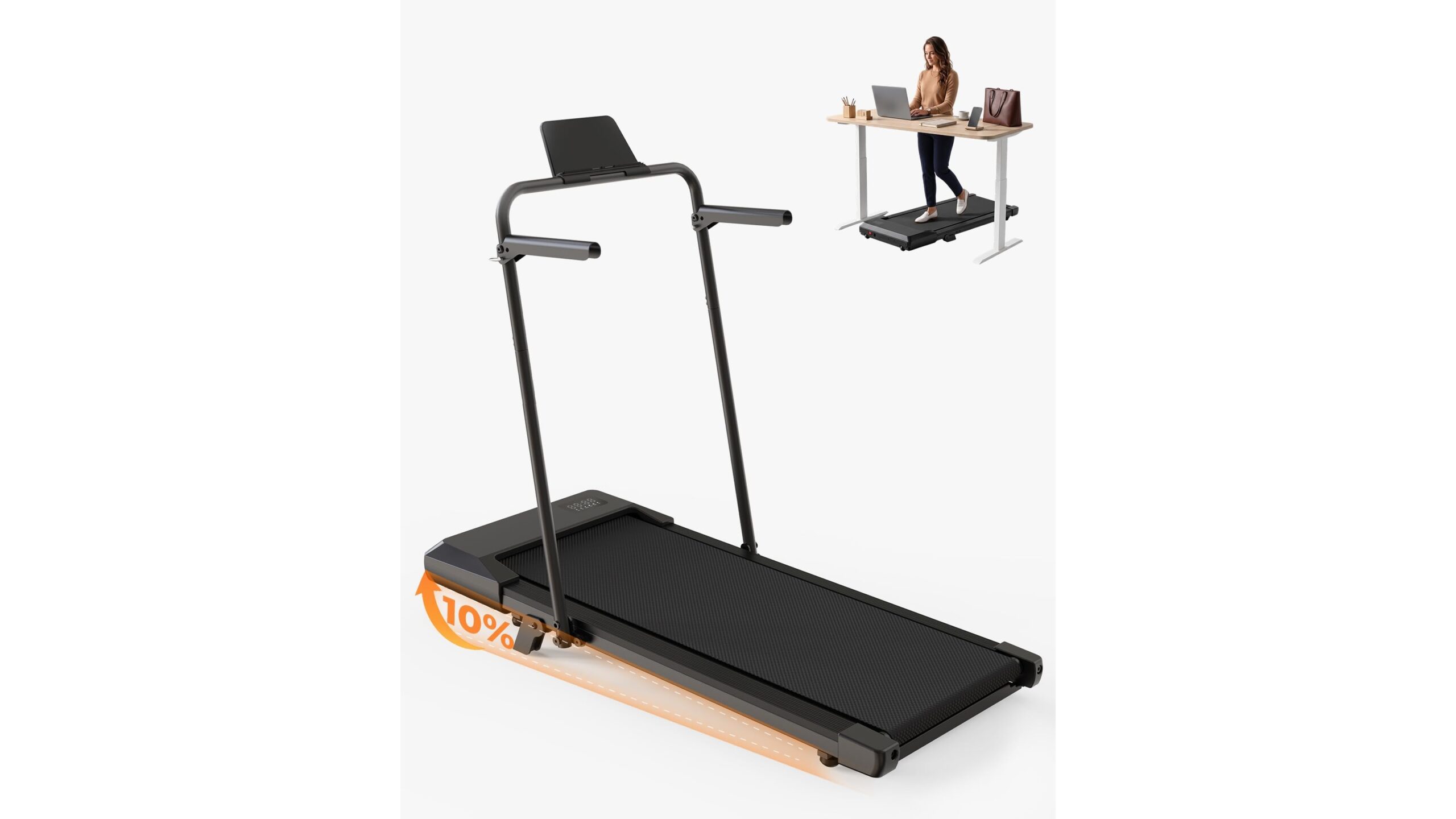
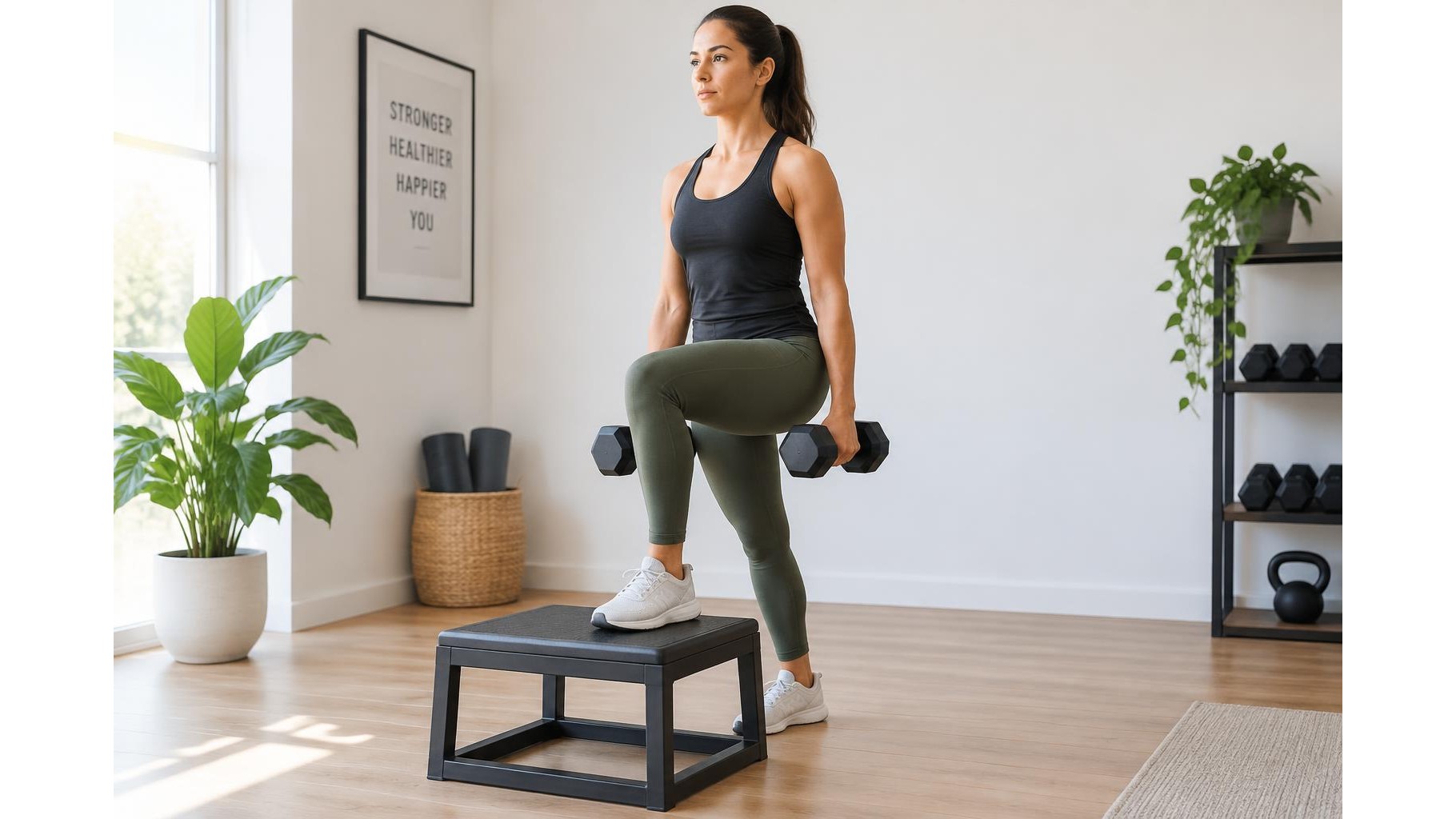
Build athletic conditioning at home with a compact session that pairs step-ups, controlled dumbbell exercises and brief recovery periods. This 25-minute dumbbell and step workout develops coordination, strength and work capacity without requiring a large space. Choose a stable, non-slip step and light-to-moderate weights, and adjust the pace or movements to match your experience.
Warm up and set your pace
Spend four minutes preparing your joints and raising your heart rate: march in place, hinge at the hips, perform bodyweight squats and practise slow step-ups. Keep the step on a level surface, and check that it does not slide. For the main session, work for 40 seconds and recover for 20 seconds, completing the five exercises below in order. Repeat the circuit three times, resting for 60 seconds between rounds. Move smoothly rather than rushing; the goal is to finish each interval with good form and enough control to begin the next.
Build strength with controlled repetitions
Start with dumbbell goblet squats: hold one weight close to your chest, sit your hips back and lower only as far as you can maintain a steady torso. Next, perform alternating step-ups, placing the whole foot on the platform and driving through the working leg. Stand tall at the top, then step down carefully. Choose a low step at first, and alternate your lead leg each repetition to practise balanced coordination.
Train your upper body and trunk
For a dumbbell row, hinge forward with a long spine, brace your abdomen and pull the weights toward your hips. Lower them slowly instead of letting them drop. Then move into a standing dumbbell shoulder press, using a comfortable range and keeping your ribs stacked over your hips. If overhead pressing feels uncomfortable, substitute a floor press: lie on your back, press the dumbbells above your chest and lower until your upper arms gently touch the floor.
Finish the circuit with a hinge
Complete the five-move round with dumbbell Romanian deadlifts. Hold the weights in front of your thighs, soften your knees and push your hips back as the dumbbells travel close to your legs. Stop when you feel a stretch in your hamstrings, then stand by squeezing your glutes. Keep the movement deliberate and your back neutral. The full circuit is goblet squat, step-up, row, shoulder press and Romanian deadlift; use each 20-second recovery to reset your stance and breathing.
Scale the workout to your level
Beginners can use bodyweight instead of dumbbells, choose the lowest safe step, and work for 30 seconds with 30 seconds of rest. They may also replace step-ups with alternating toe taps on the platform. More experienced trainees can use heavier weights while preserving control, increase work intervals to 45 seconds, or raise the step only if balance and knee comfort remain good. Stop for sharp pain, and reduce the load or pause if technique starts to slip.
Finish with easy walking and relaxed breathing for a minute or two. This session combines strength, balance and conditioning in a practical home format, but its intensity is adjustable: prioritise stable foot placement, smooth repetitions and short, purposeful recovery. Record the weights, step height and interval setting you used so you can progress gradually next time.