When your home office and home gym live in the same room, your elbows and wrists take a lot of abuse. Hours on a keyboard, followed by heavy pressing or pulling, can quickly add up to tendon irritation, forearm tightness and nagging joint pain. A simple, structured routine that mixes light exercises, mobility and self-massage can protect these small but crucial joints so you can keep working and lifting in the long run.
Understand the load on your elbows and wrists
Both remote work and strength training overload the same structures: the forearm flexors and extensors, the wrist joints and the tendons around the elbow. Long static typing positions, repeated trackpad use and heavy curls, presses and pull-ups all create stress in slightly different angles, but the tissue is the same. To keep problems like tennis elbow, golfer’s elbow and general wrist pain away, your daily plan should include three pillars: gentle mobility to keep range of motion, low‑load strength work for endurance, and self-massage to reduce stiffness. Layering these elements takes just 10–15 minutes but pays off in fewer flare‑ups and more comfortable training.
A tendon-friendly warm-up before typing and lifting
Start your day and every lifting session with a 5‑minute warm-up. Begin with slow wrist circles, palms down and then palms up, for 10–15 reps each direction. Follow with gentle elbow flexion and extension—think biceps curl and triceps push, but with no weight—concentrating on full, painless range. Add prayer stretches (palms together in front of your chest, lowering your hands to feel a light stretch in the forearms) and the reverse version with the backs of the hands touching. Finish with rapid but relaxed finger opens and closes for 30–45 seconds to pump blood into the forearms. This sequence wakes up the tissues before you place them under static or heavy load, making your workday and your workout much more tendon‑friendly.
Simple strength drills to bulletproof forearms
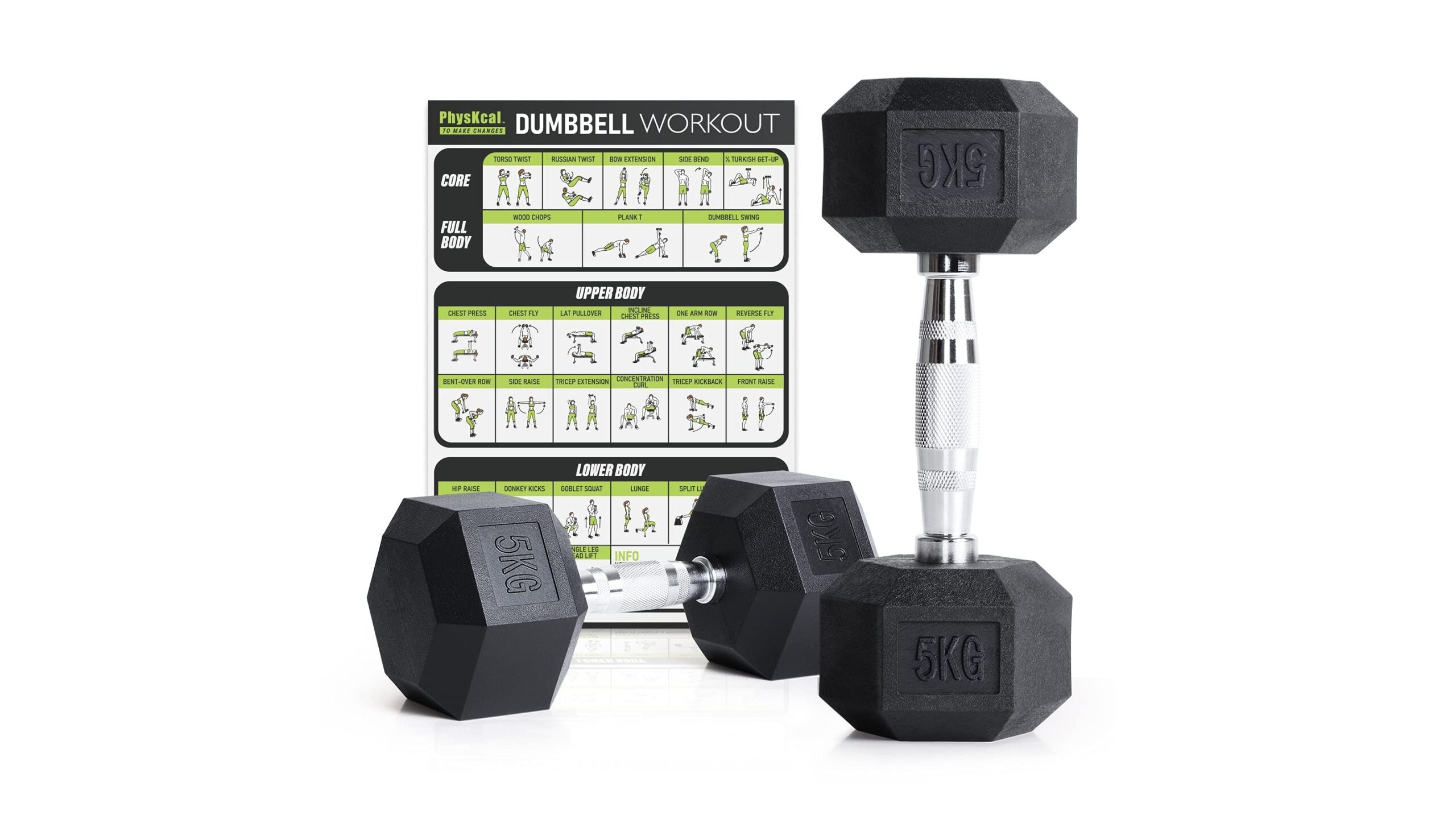
To build resilient elbows and wrists, you need light, frequent strength work, not just big barbell lifts. Use a small dumbbell or household object (like a water bottle) for wrist curls and reverse wrist curls: rest your forearm on a table, move only the hand, and aim for 2–3 sets of 15–20 smooth reps. Add radial and ulnar deviation by holding the weight like a hammer and moving the thumb side of the hand up and down. To train grip endurance, squeeze a soft ball or rolled towel for 30 seconds on, 30 seconds off, for 3–4 rounds. Keep the effort at a mild burn, not maximal. These low‑load, high‑rep drills build the tendon capacity that lets you tolerate both long typing blocks and heavy pulling work without irritation.
Self-massage for elbows and wrists with simple tools
Self-massage is an easy way to manage tension after long computer sessions or tough training. Use a small massage ball or even a tennis ball against a desk or wall to roll along the forearm muscles from wrist to just below the elbow, spending extra time on tender spots for 30–60 seconds. Gently roll around the outside of the elbow (avoiding direct pressure on the bony tip) to release tight tissues that often contribute to lateral elbow pain. For the hand and palm, place the ball on a table, press your palm into it and make slow circles. Combine this with light stretching of the fingers and wrist to restore length after gripping a mouse or barbell. Even 3–5 minutes of focused self‑massage in the evening can significantly reduce stiffness the next morning.
Smart work and training habits in a shared space
Protecting your elbows and wrists is not just about drills—it is also about smart habits. At your desk, keep the keyboard close, elbows roughly at 90 degrees and wrists in a neutral, straight line rather than bent up or down. Take a short movement break every 30–45 minutes: stand up, shake out your hands, run through a few wrist circles and elbow bends. In your home gym, vary your grip width and implements (barbell, dumbbells, neutral‑grip handles) to avoid stressing the same angle constantly. Cycle phases of heavy lifting with weeks focused on technique, tempo and higher reps. If you notice early signs of tendon irritation—morning stiffness, sharp pain on gripping—dial back intensity for a few days while you double down on your protective routine instead of pushing through.
Putting your elbow and wrist care routine together
In a home where you both work and lift, elbow and wrist care must be intentional. A short, structured routine that blends warm-up mobility, low‑load strength for your forearms, and a few minutes of self-massage creates a tendon‑friendly buffer around everything you do. Combine that with smarter workstation setup and thoughtful programming in your home gym, and you can reduce pain, protect your joints and keep progressing in both productivity and performance. Start with just 10 minutes a day, track how your elbows and wrists feel over a few weeks, and adjust the volume of drills as needed so this becomes a sustainable part of your everyday home routine.