After a home workout, a snack with protein and fiber can help you feel satisfied while adding useful nutrients to your day. You do not need a complicated recipe or a special recovery product: a few familiar foods, sensible portions and a little preparation are often enough. Choose a pairing that fits your appetite, schedule and dietary preferences.
Yogurt, fruit and oats
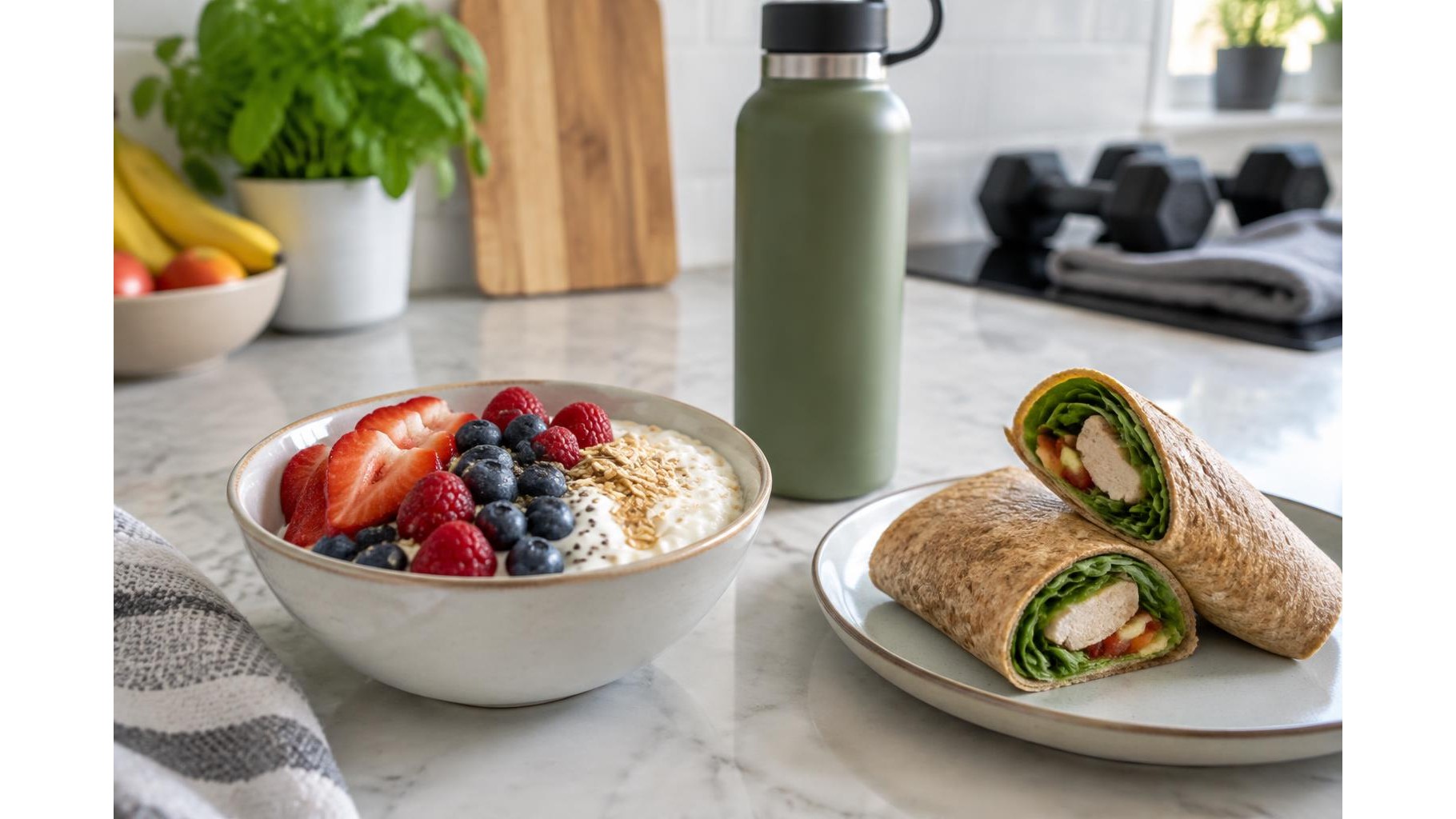
For a quick, flexible option, combine about 170–200 g of plain Greek-style yogurt with a small handful of berries or chopped fruit and 25–30 g of oats. Yogurt contributes protein, while fruit and oats add fiber and carbohydrates. Stir together in a bowl or pack it in a container before training. If you prefer more crunch, add a teaspoon of seeds; keep sweeteners modest, since ripe fruit can provide plenty of flavor. Use a fortified soy yogurt if you want a plant-based alternative, and check its label because protein content varies.
Cottage cheese on wholegrain toast
Spread roughly 100–150 g of cottage cheese over one or two slices of wholegrain toast, then add tomato, cucumber or sliced pear. This savory-sweet combination is easy to portion and offers protein from the cheese alongside fiber from wholegrain bread and produce. For a portable version, keep the topping in a sealed tub and assemble it when you are ready to eat. Choose a lower-salt option if that suits your needs, and adjust the bread portion to your hunger and training session.
Plant-based beans and wholegrain wraps
For a more substantial snack, mash about 100 g of chickpeas with lemon juice and a little olive oil, then spoon it into a small wholegrain wrap with spinach or grated carrot. Chickpeas supply plant protein and fiber; the wrap and vegetables add further fiber and texture. Make a couple of portions ahead and refrigerate them for a convenient post-workout bite. If you use ready-made hummus instead, pair a moderate serving with wholegrain crackers and crunchy vegetables.
Milk or soy drink with a banana and nut butter
When you want something drinkable, blend or simply serve 250 ml of milk or an unsweetened, protein-rich soy drink with a small banana and a tablespoon of peanut butter. The drink and nut butter provide protein, while the banana contributes fiber and carbohydrate. This option is easy to take on busy days, though it may be less filling than a bowl you eat slowly. Check the drink’s nutrition label, especially if choosing a plant-based product, and account for nut allergies.
Portions, timing and when supplements may help
There is no single snack size that suits everyone. Start with a modest serving and add more if you are genuinely hungry or your next meal is far away. Eating soon after exercise can be convenient, but an exact minute-by-minute window is not essential; your overall meals and daily intake matter more. A protein supplement may be useful when ordinary food is impractical, appetite is low or you struggle to meet your needs. It is optional, not a replacement for fiber-rich foods, and people with allergies, medical conditions or specific dietary requirements should check ingredients and seek suitable professional advice.
For lasting fullness after home training, combine a protein source with fruit, vegetables, oats, beans or wholegrains, then tailor the portion to your appetite. Keep a few easy ingredients ready so a balanced snack is convenient—not a chore—and use supplements only when they solve a real practical need.