Training at home can make it easy to focus on equipment, routines and recovery while overlooking nutrition. Iron matters because it helps carry oxygen in the blood, but feeling tired after a hard session does not automatically mean you need an iron supplement. For athletes, the sensible approach is to understand possible risk factors, get appropriate testing when indicated and use food or supplements with professional guidance.
When testing may be worth discussing
Consider speaking with a healthcare professional if you have persistent fatigue, unusual breathlessness, reduced exercise capacity, pale skin or other symptoms that concern you. These signs can have many causes, so they cannot diagnose iron deficiency on their own. Testing may be particularly relevant for people with heavy menstrual bleeding, a history of low iron, frequent blood donation, limited dietary iron, pregnancy, or gastrointestinal conditions that affect absorption. Endurance athletes may also have increased needs or losses, but training alone is not proof of deficiency. A clinician can assess your history and decide whether blood tests are appropriate.
What iron tests can show
A healthcare professional may consider a complete blood count alongside ferritin, which reflects stored iron. Depending on the situation, other measures such as transferrin saturation may help interpret the results. No single number should be interpreted in isolation: inflammation, recent illness and other health factors can affect some iron markers. Avoid ordering a test simply to justify taking a supplement, and do not start high-dose iron before results and clinical context have been reviewed. If deficiency is confirmed, your clinician can investigate possible causes as well as recommend treatment and follow-up.
Build iron into everyday meals
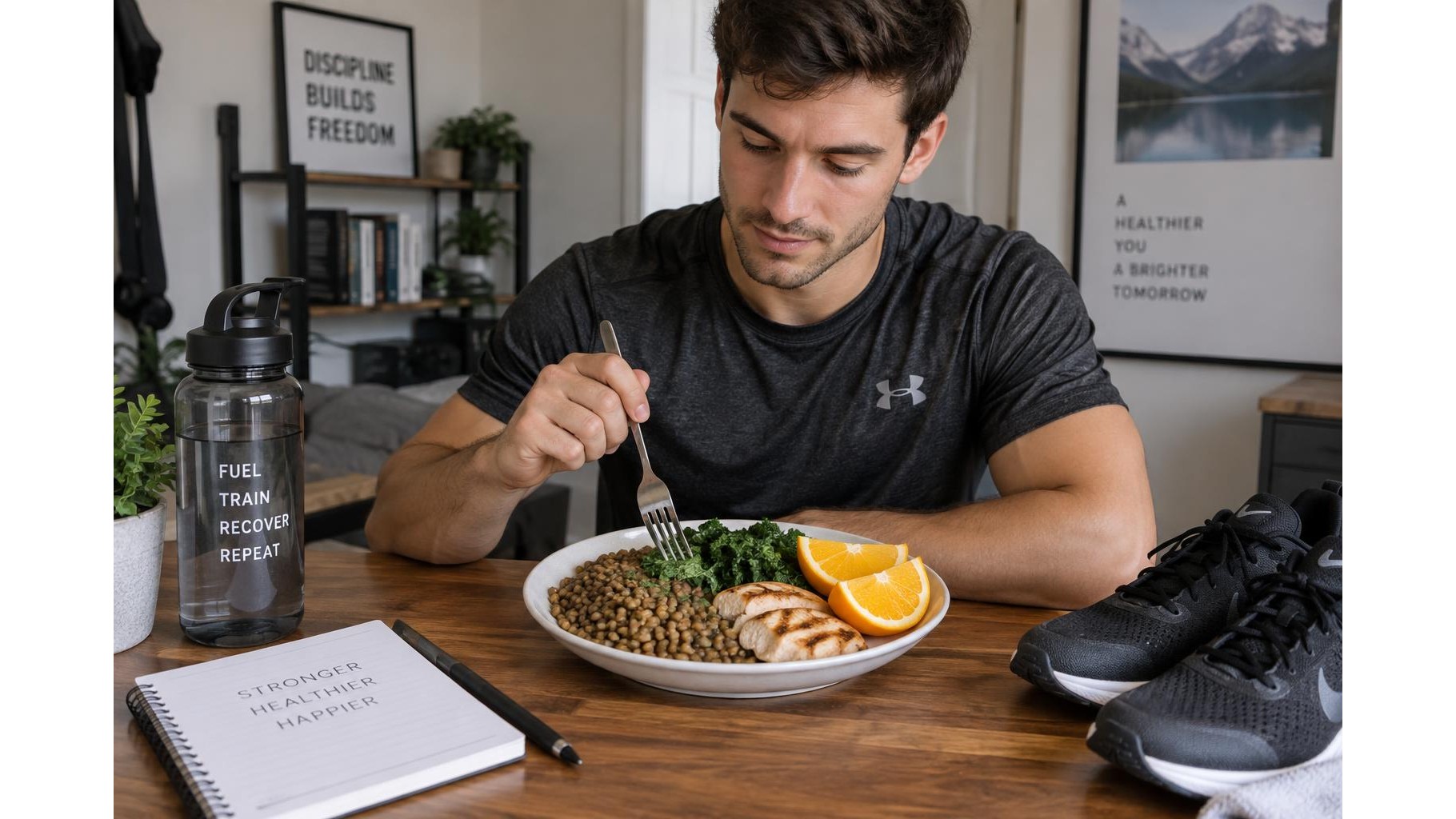
Food can contribute meaningfully to iron intake. Heme iron, found in meat, poultry and seafood, is generally absorbed more readily. Non-heme iron is present in lentils, beans, chickpeas, tofu, fortified cereals, pumpkin seeds, nuts and leafy greens. Pairing plant sources with vitamin C-rich foods such as peppers, citrus fruit, tomatoes or berries can support non-heme iron absorption. Tea and coffee taken with a meal may reduce absorption for some people, so consider having them between meals if iron status is a concern. A varied diet is a useful foundation, though it cannot replace treatment when a deficiency needs medical care.
Why supplements are not routine sports nutrition
Iron supplements are not a general energy booster and are unlikely to improve performance when iron status is already adequate. Unnecessary use can cause nausea, abdominal discomfort, constipation or diarrhoea, and excessive iron can be harmful. Iron can also interact with medicines and may be dangerous if accidentally swallowed by children. The amount listed as elemental iron matters, so products with different labels are not necessarily equivalent. Rather than copying another athlete’s routine or choosing a dose based on workout fatigue, ask a qualified healthcare professional whether supplementation is appropriate for you.
Using a prescribed supplement safely
If a clinician recommends iron, follow the stated dose and schedule, and ask what to do if side effects occur. Do not double a missed dose unless instructed. Some medicines and supplements need to be taken at a different time from iron; ask a pharmacist or clinician about spacing, especially if you use thyroid medicine, certain antibiotics, antacids or calcium. Keep tablets securely stored away from children. Follow-up testing may be advised to check response and guide how long to continue. Do not extend a course or repeat it without professional advice.
In summary, home athletes should treat iron as a nutrient to assess, not a routine performance supplement. Discuss symptoms and risk factors with a healthcare professional, use appropriate tests to guide decisions, and include iron-rich foods in a balanced diet. If supplementation is needed, professional guidance can help make its dose, duration and follow-up safer.