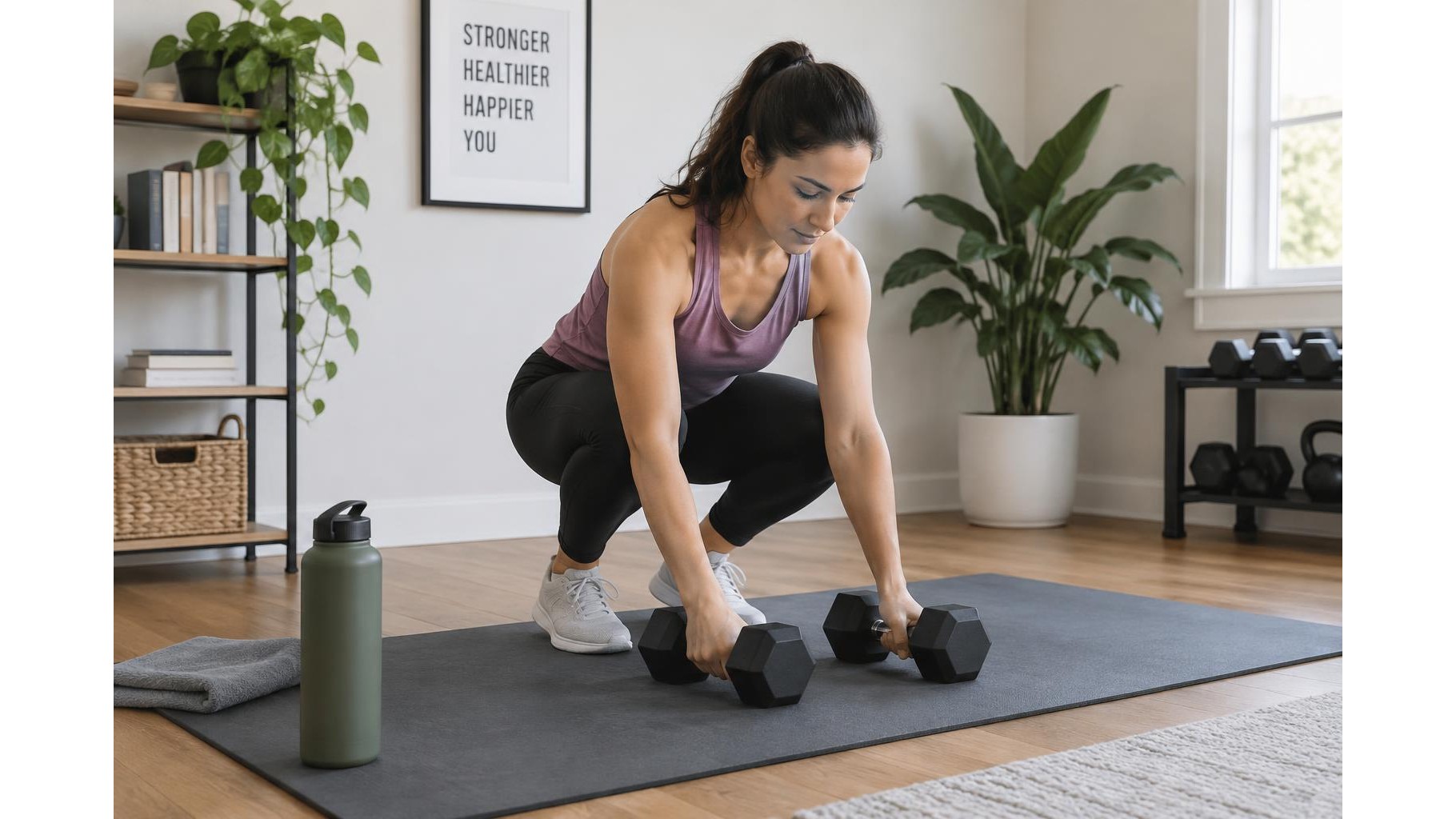
A quieter home workout starts with spotting what is making the noise: weights meeting the floor, equipment shifting, or abrupt foot contact. There is no product offer to assess here, so no verified product name, discount, price, Amazon link, or technical specifications can be provided. Instead, a few careful adjustments can help reduce disturbance while keeping your training safe and effective.
Quiet home workout: price, offer and Amazon discount
This guide concerns practical ways to reduce workout noise, not a specific product promotion. No price, saving, discount percentage, instalment option, coupon, offer end date, Prime delivery benefit, or returns period was supplied or verified. Avoid assuming that a mat or other accessory will solve every noise problem: choose equipment suited to your floor and training, and check the product listing for its details before buying.
Quiet home workout: the practical techniques
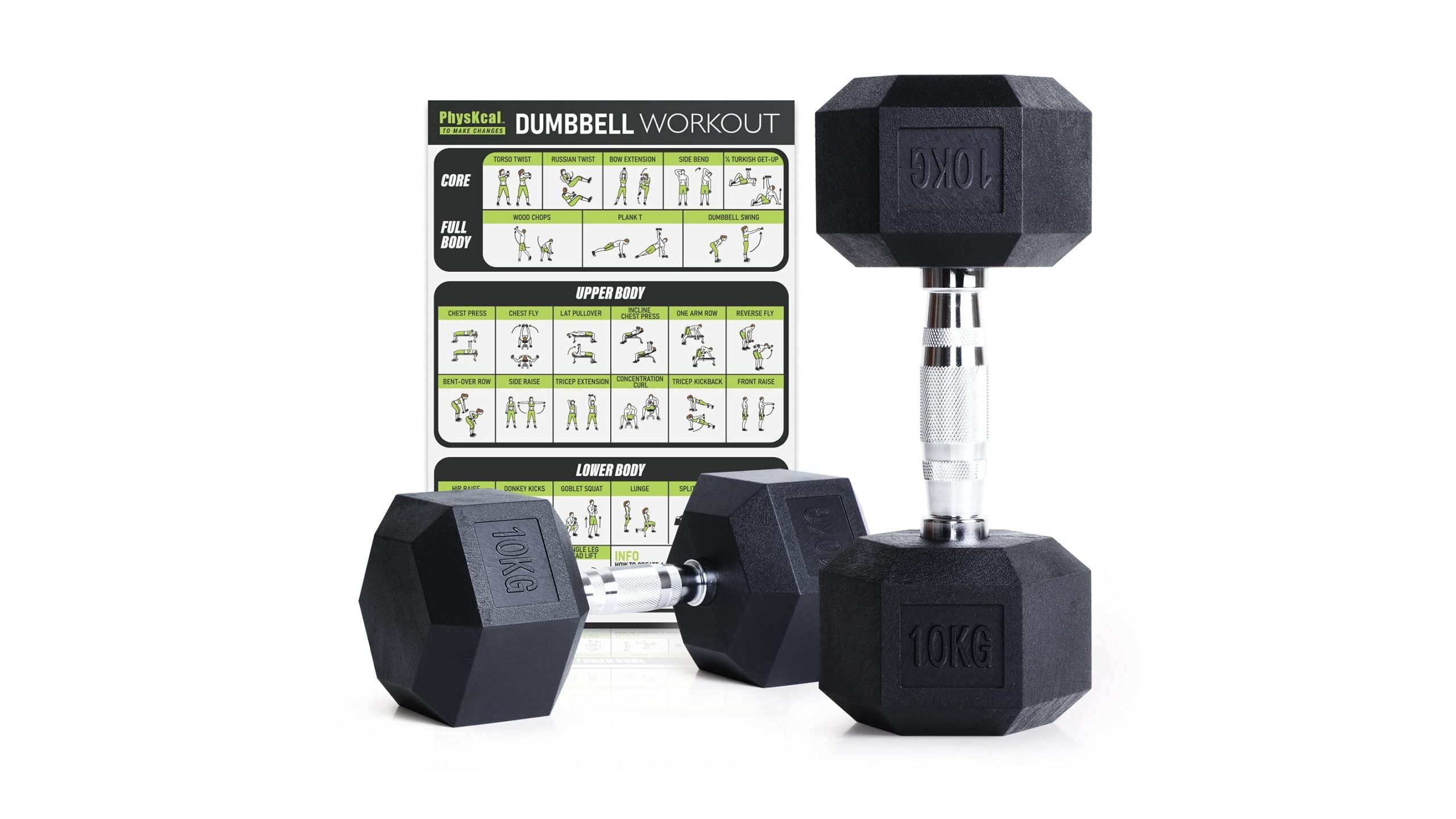
Begin by placing weights down under control rather than dropping them after a repetition. Set equipment on a stable, level surface and leave enough room to lift and lower it without knocking into walls, furniture, or other gear. If a weight or bench rocks or slides, stop and correct its position before continuing.
Consider how your movement meets the floor. For suitable exercises, use smooth, controlled steps and land softly; modify or replace jumps if their impact is disruptive, while preserving good form and choosing movements appropriate to your ability. Do not sacrifice balance or safe technique simply to make a session quieter.
A suitable exercise mat or protective flooring may help cushion contact, but it must lie flat and remain stable. Check that it is appropriate for the equipment and floor, and keep its surface clear of anything that could cause a slip. Use lighter or quieter equipment where it fits your workout, and avoid letting plates, dumbbells, or accessories collide unnecessarily.
Timing matters too. Schedule louder sessions for hours that are considerate of household members and neighbours, and save lower-impact exercises for times when noise is more likely to disturb others. With controlled placement, deliberate movement choices, and thoughtful scheduling, you can reduce unnecessary sound without compromising a safe workout.