Betaine anhydrous, also called trimethylglycine (TMG), is a dietary supplement sometimes marketed to support strength, power and exercise performance. For people training at home, the key question is not whether it sounds promising, but how strong the evidence is and whether it fits safely into an individual routine. Research offers some possible signals, but it does not guarantee better results.
What betaine is and what it may do
Betaine occurs naturally in foods including beetroot and helps the body with processes involving methyl groups and fluid balance in cells. It has been studied as an exercise supplement because these roles might plausibly affect performance. However, a proposed mechanism is not proof of a meaningful improvement in lifting. Evidence for betaine should also not be confused with evidence for beetroot juice, which contains different compounds, including dietary nitrates.
What exercise studies can tell us
Studies commonly give participants a measured daily dose for several days or weeks, then compare performance with a placebo. Outcomes may include repetitions, strength tests, body composition or power measures. Some small studies report improvements in selected outcomes, while others find little or no effect. Differences in participants, training experience, dose, duration and test methods make results hard to combine. Small samples and short follow-up also limit confidence. Overall, the evidence is mixed rather than conclusive, and findings do not establish a reliable benefit for every home lifter.
How to interpret claims and products
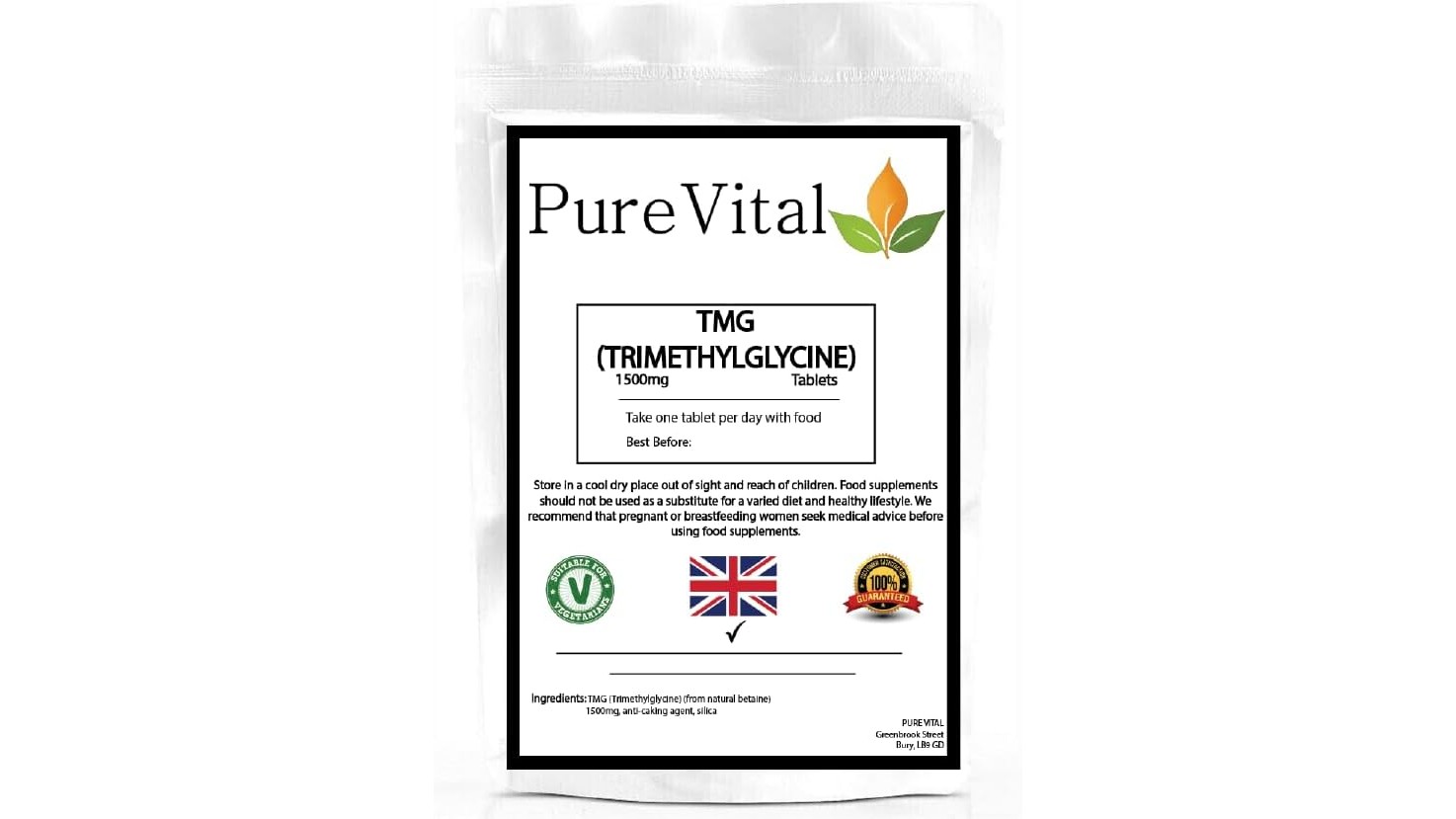
Look for research on betaine anhydrous itself, not a product’s broad claims or a multi-ingredient pre-workout. Combination products make it difficult to know which ingredient, if any, explains an effect. If considering a product such as PureVital TMG tablets, check the label, serving instructions, ingredient list and quality information. The listing describes 1,500 mg per tablet; that is product information, not proof of an effective or appropriate dose. Avoid treating supplement marketing as medical or performance advice.
Practical questions to discuss with a healthcare professional
Before using betaine, discuss your health conditions, medicines, other supplements and intended training goals with a qualified healthcare professional, especially if you are pregnant, breastfeeding, under 18, or have a chronic condition. Ask whether it is suitable for you, what dose and duration—if any—are appropriate, and what side effects or interactions to watch for. Supplements can vary in quality, and a professional can help assess the specific product. Do not exceed label directions or use it to self-treat a medical condition.
Safety, training and nutrition
Research on long-term use and uncommon adverse effects is limited. Stop taking a supplement and seek advice if you experience concerning symptoms. Keep it stored safely and remember that supplement rules and testing standards vary. For strength gains, the reliable foundations remain progressive resistance training, sound technique, adequate recovery, sufficient dietary protein and overall nutrition. At home, a consistent programme using manageable loads and gradual progression is more important than adding a supplement.
In summary, betaine anhydrous is a plausible but not definitively proven aid for strength or exercise performance. Study results are mixed, and individual response and safety cannot be assumed. Treat it as optional, seek personalised professional guidance, and prioritise well-planned training, food and recovery.