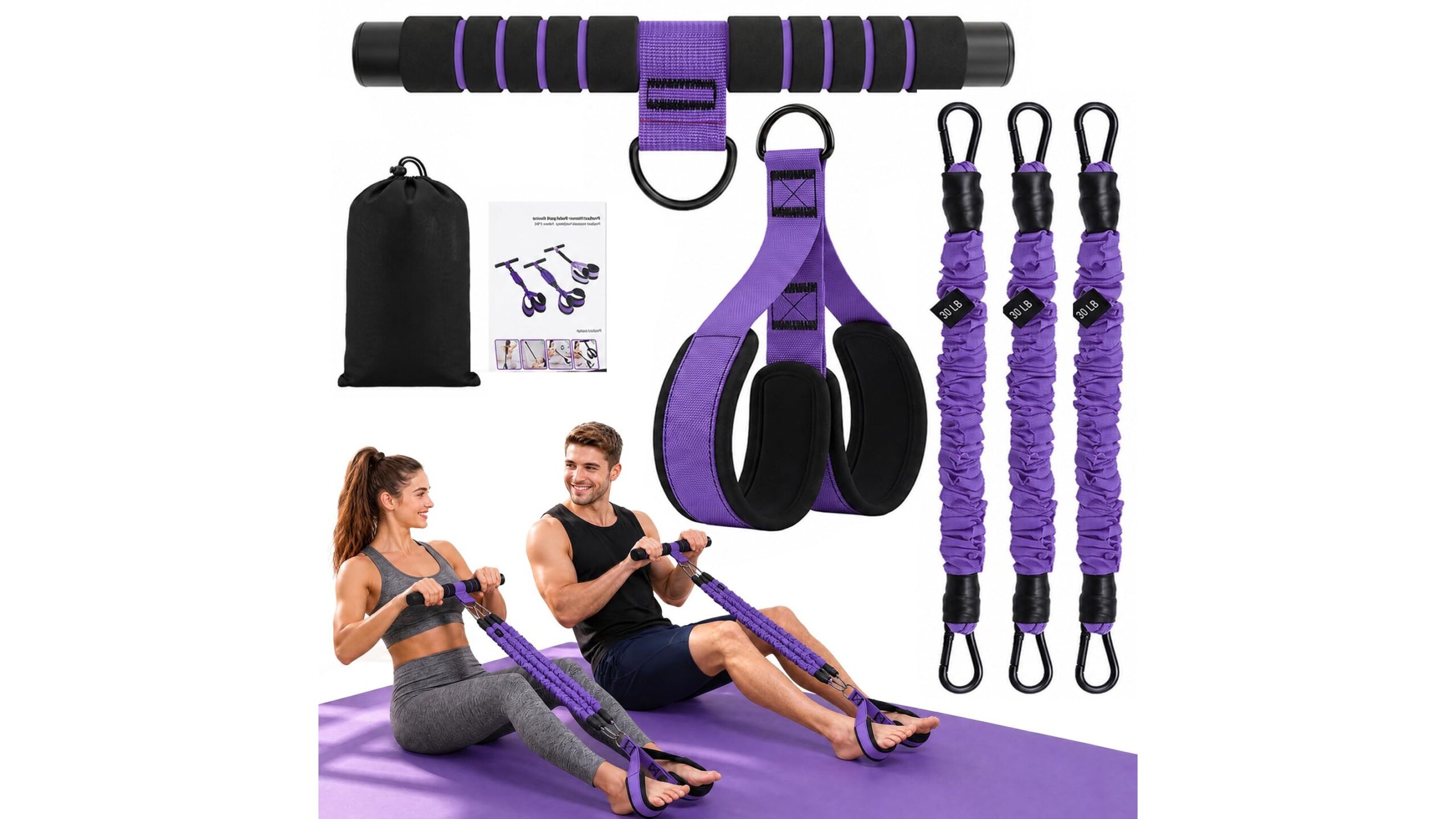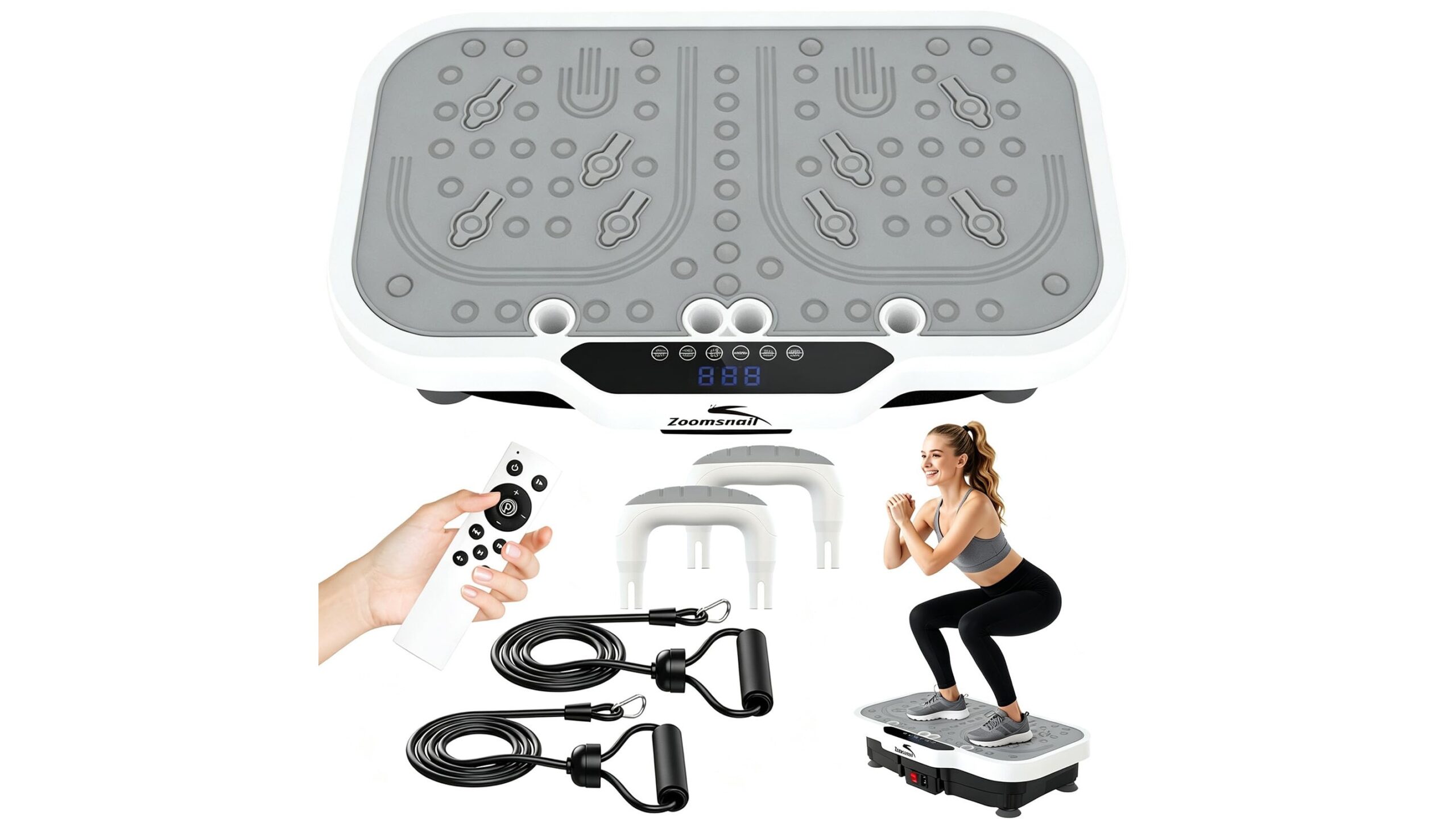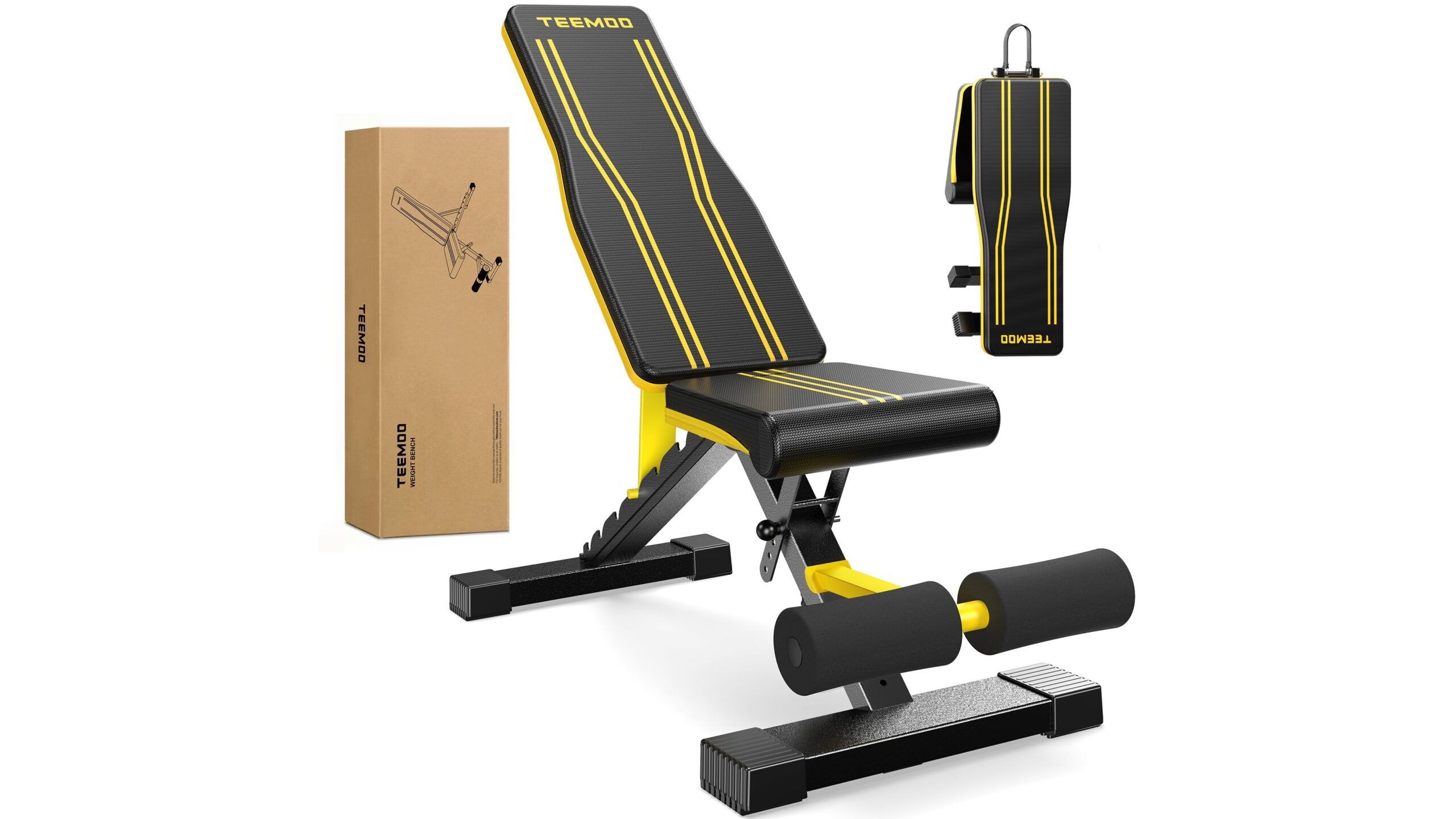
Setting up a safe area for floor work is essential if you train at home. A good foldable gymnastics mat can transform any corner of your house into a mini studio for stretching, mobility drills and bodyweight strength. Understanding how thickness, density, fold pattern and size affect comfort and protection will help you buy a mat that supports your joints, fits your space and stores away neatly when you are done.
Why a foldable gymnastics mat belongs in every home gym
A foldable gymnastics mat for home is more than just a soft surface. It protects your knees, wrists and spine during mobility work, core training, yoga flows and basic tumbling. Unlike thin yoga mats, a thicker tri‑fold or panel mat offers better impact absorption for movements like sprawls, lunges, hip thrusts and handstand practice. The foldable design means you can open it fully for long flows, double it up for extra cushioning under sensitive joints, or stand it on end against a wall when you finish. For renters and small apartments, this flexibility is a big advantage over permanent flooring solutions.
Thickness and density: how much padding do you really need?
Two key factors define comfort and safety: mat thickness and foam density. For gentle stretching and Pilates‑style core work, a 3–4 cm mat is usually enough to cushion elbows and spine. If you plan to do bodyweight strength training, kneeling push‑ups, or practice low‑impact gymnastics drills, look for mats in the 5–6 cm range with firm, high‑density foam. This thickness helps absorb force without letting your joints “bottom out” on the hard floor. Very soft, low‑density foam may feel plush at first but can collapse quickly, making balances and push‑ups unstable. A quality foldable mat should feel firm when you press a hand into it, with just enough give to protect bony points.
Choosing the right size and fold pattern for your space
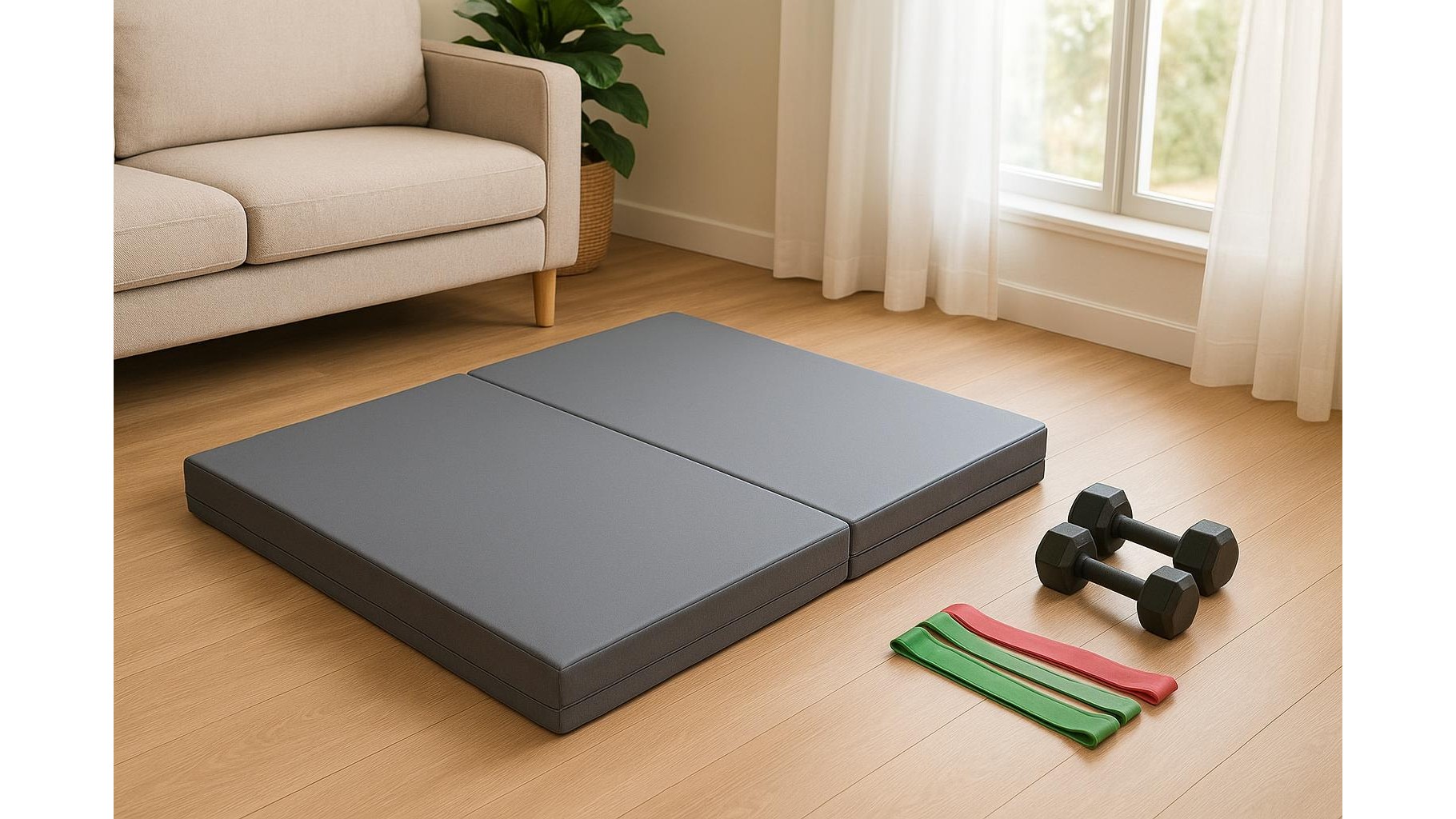
Before buying, measure your training area and consider your typical movements. Standard folding panel mats are often made of connected sections that fold accordion‑style. Longer mats let you string together lunges, animal walks and core sequences without stepping off the surface, which is ideal if you train in a hallway or garage. In smaller living rooms or bedrooms, a compact tri‑fold mat works well: unfolded, it gives you enough room for supine stretches and planks; folded, it becomes a thicker pad you can place under your knees or tailbone for high‑pressure moves. Check both the full dimensions and the folded size to be sure it will fit under a bed, in a wardrobe or behind a sofa when not in use.
Cover material, cleaning and durability
The outer cover of a home gymnastics mat has a big impact on durability and hygiene. Look for mats with a tough, non‑absorbent vinyl or PVC cover that is easy to wipe down after sweaty sessions. A slightly textured surface helps prevent slipping during planks, side lunges and hand placements for core drills. Reinforced stitching along the panel seams reduces the risk of tearing when you fold and move the mat regularly. If you train barefoot or with socks, ensure the surface is not overly slick, as this can undermine stability during balance work and dynamic stretches. Easy‑clean materials are especially important when your mat lives in a multipurpose space like a living room or bedroom.
Portability, storage and extra features
One of the main advantages of a foldable mat is how simple it is to move and store. Integrated carry handles are useful if you plan to take your mat to the park or a friend’s house. Check the overall weight: lighter mats are easier to move daily but may use less dense foam, while heavier mats tend to be more robust. Consider whether you need Velcro edges to join two mats together in the future if you expand your home gym. When stored, the folded mat should slide easily under furniture or stand upright in a cupboard. If your home gym shares space with family life, choosing a colour that blends with your decor can make it less visually intrusive when not in use.
In summary, the best foldable gymnastics mat for safe floor work in your home gym balances thickness, foam density, size and fold pattern with practical details like cover material and storage. A firm 5–6 cm mat with a wipe‑clean, durable surface will support everything from stretching to bodyweight strength and mobility training. Take a moment to measure your space, think about how you move, and choose a mat that fits both your workouts and your home. Investing in a quality foldable mat now will pay off with more comfortable, consistent and safer training sessions at home.