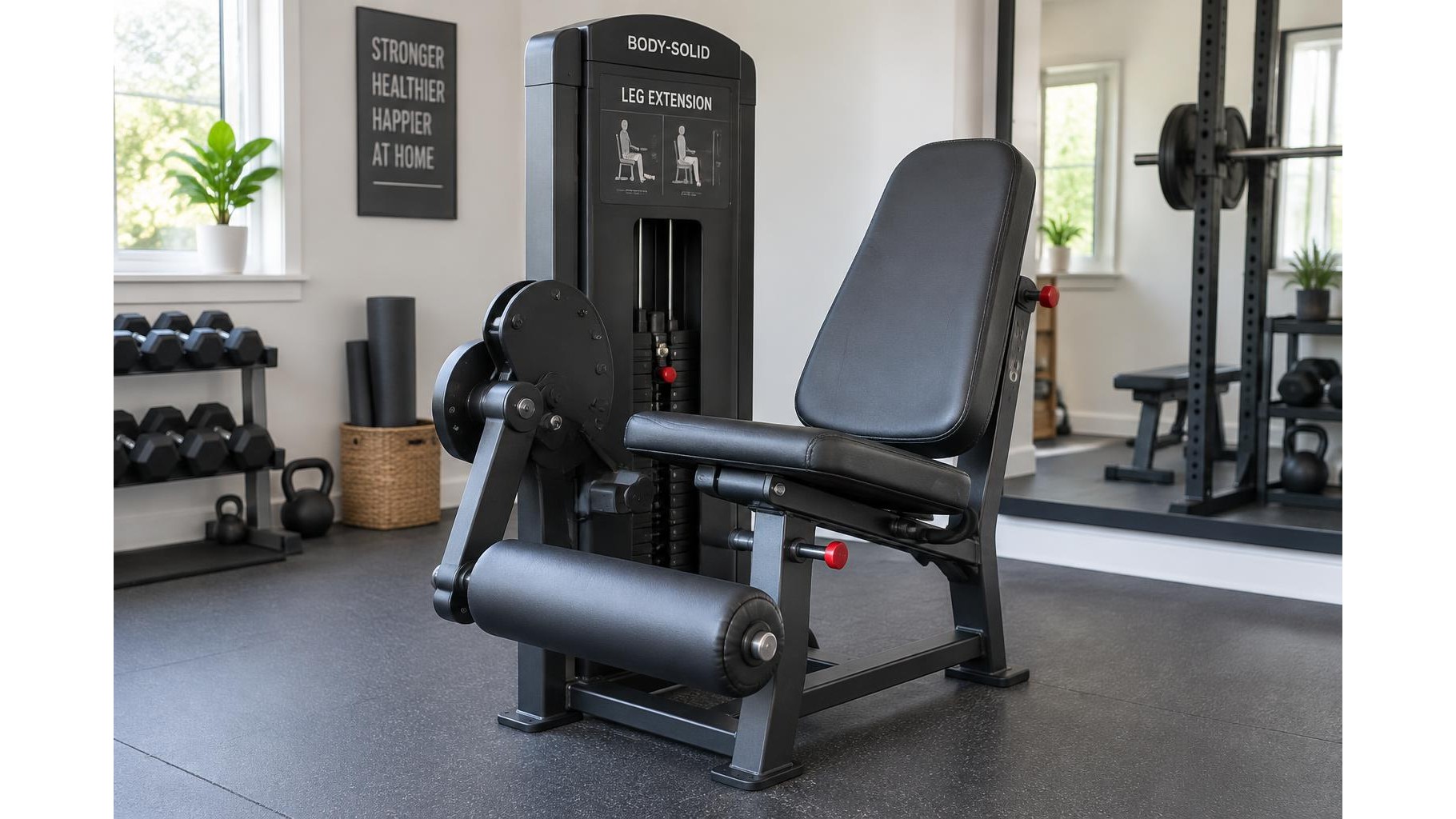
Choosing a compact leg extension machine means balancing useful training features with the space and setup your home gym can support. Compare the machine’s footprint, resistance range, adjustment options and stability before buying. The right choice should let you train your quadriceps with controlled movement, fit your available space and feel comfortable throughout each repetition.
Measure the footprint and storage needs
Check the machine’s assembled dimensions, not just its advertised storage size. Allow extra clearance around the seat and lever so you can get on and off safely and extend your legs without hitting a wall or nearby equipment. If your workout area serves more than one purpose, consider whether the unit folds, has transport wheels or can be moved without awkward lifting. Also check its weight and whether it needs a permanent position on a level floor. A small footprint is useful only if the machine remains accessible and you can use its full range of motion without obstruction.
Choose a resistance range you can progress with
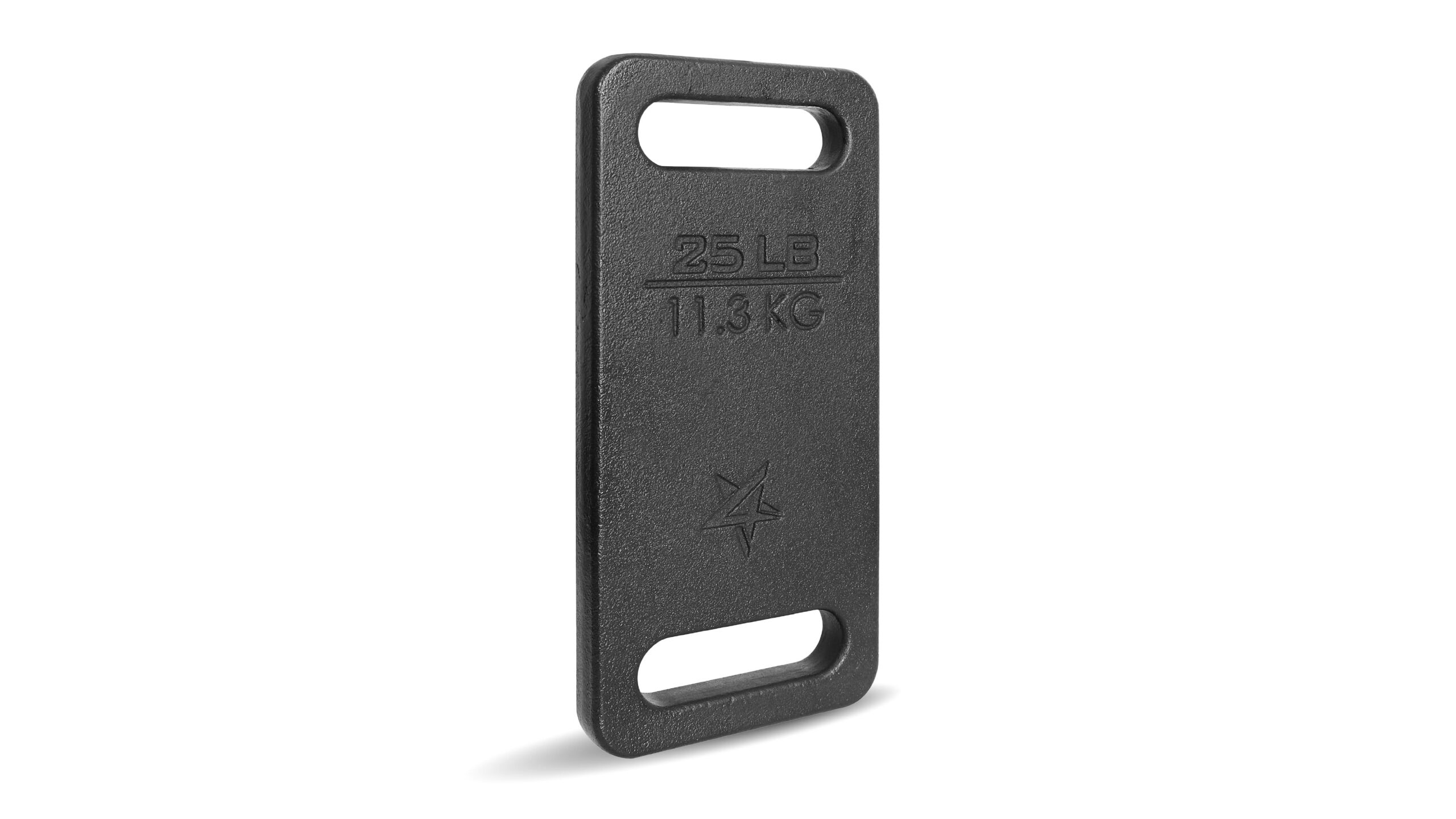
Resistance may come from a weight stack, plate-loaded arm, resistance bands or another system. Each has different space and setup demands. A compact, plate-loaded design can be simple, but you need compatible plates and room to load them. A weight stack is convenient to adjust, though it may make the unit larger. Check the smallest available increase as well as the maximum load: modest increments can help you progress gradually, while a suitable upper limit keeps the machine useful as strength improves. Do not assume a stated weight feels identical across different lever designs; the machine’s mechanics affect how resistance feels through the movement.
Look for adjustments that fit your body
Seat position and the starting angle should allow your knees to line up with the machine’s pivot point. The padded roller should rest comfortably against the lower shin, above the ankle rather than directly on the foot. Look for adjustable back support, roller position and range-of-motion settings, especially if more than one person will use the machine. Adjustments should lock securely and be easy to change without tools where possible. Before a workout, test the setup with little or no resistance. If you cannot align your joints comfortably or the roller presses painfully, the machine may not suit your proportions.
Assess stability and build quality
A compact frame still needs a broad, solid base. Check the listed user-weight capacity, frame construction, welds, fasteners and whether the feet have non-slip pads. The machine should stay planted during controlled repetitions rather than rocking, sliding or twisting. If possible, read owner feedback for comments about wobbling, assembly and long-term durability, and inspect the warranty and availability of replacement parts. Assemble the unit on a level surface and tighten hardware according to the instructions. Stop using it if a component shifts, makes an unusual noise or appears damaged.
Consider who benefits from isolated quadriceps work
Leg extensions train the quadriceps through knee extension, making them a useful accessory for people who want targeted work alongside broader lower-body exercises. They can suit home trainers who need a focused movement without setting up a barbell, and may help add training variety when space is limited. However, they do not replace exercises that train the hips and legs together. Anyone managing knee pain, recovering from an injury or following clinical advice should ask a qualified health professional whether this exercise and its range are appropriate. Start light, move smoothly and avoid forcing the knees into a painful position.
In summary, choose a machine that fits your room and body, offers appropriate resistance and stays stable under controlled use. Confirm the measurements, adjustment range and setup requirements before purchasing. A well-matched home leg extension machine can make isolated quadriceps training practical, provided you use it with sound technique and treat comfort and safety as priorities.