Consistent nutrition can support a home workout routine, but estimating portions by eye is difficult—especially for calorie-dense foods such as oils, nuts and spreads. A digital kitchen scale offers a practical way to measure ingredients and make meal planning more repeatable. It is a tool for improving estimates, not a requirement to weigh every bite or pursue perfect numbers.
Why weighing portions can help
Serving sizes in recipes and nutrition labels are often stated by weight, while a spoonful or handful can vary from one meal to the next. Weighing an ingredient lets you compare what you actually use with the information provided for that food. Over time, this can help you learn what a familiar portion looks like and prepare meals more consistently around training days. The aim is a more reliable reference point—not rigid control. If tracking adds stress, use the scale only when it makes cooking or planning easier.
Features worth comparing
Look for a scale that fits your kitchen habits. A clear display is useful when a large bowl sits on the platform; a slim design is easier to store. Check the maximum capacity, unit options such as grams and ounces, and whether the scale responds in small increments. A stable platform and simple controls matter more in daily use than a long list of extras. Some models include a removable bowl, but an ordinary plate or meal-prep container can work just as well. Choose a design that is easy to clean and read.
Use tare to weigh ingredients accurately
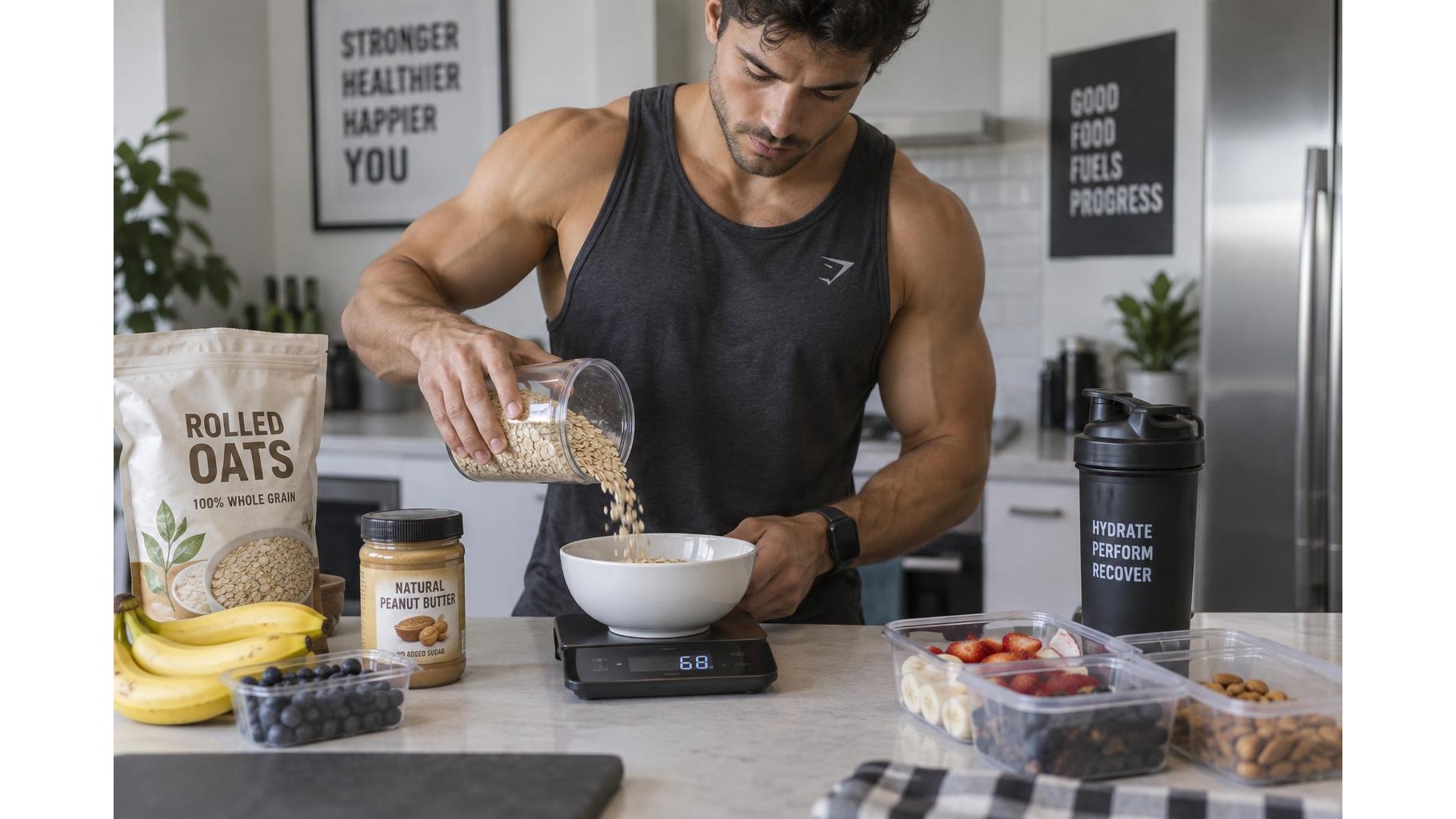
The tare function resets the displayed weight to zero, so you can measure food in a container without including the container itself. Place the empty bowl or plate on the scale, switch it on if needed, and press tare. Add an ingredient and note its weight. To measure another ingredient in the same bowl, press tare again before adding it. For pouring ingredients such as oats or rice, add them gradually and pause when the display reaches your target. Check the scale’s instructions, since controls can differ between models.
Match measurements to nutrition information
Use the correct entry when checking a food label or nutrition database: raw and cooked weights may differ because cooking changes water content. For packaged foods, compare the measured amount with the label’s stated serving weight. For a recipe, weighing ingredients before cooking can make portions easier to divide later; alternatively, weigh the finished dish and split it evenly. Record the method you used so that future comparisons are meaningful. Be cautious with generic database entries, which may not match a particular brand or preparation.
Keep tracking practical and flexible
Build a routine around a few ingredients you regularly portion, rather than weighing everything. A scale can help you repeat a breakfast, portion snacks or divide a batch-cooked meal, but food choices and nutrition needs vary. Hydration, cooking methods, label rounding and natural differences between foods all affect the numbers. Treat measurements as estimates, and avoid interpreting a single meal as a verdict on your progress. For personalised dietary advice, consult a qualified nutrition professional.
A digital kitchen scale can make portions and meal prep more consistent with little effort: choose a readable, easy-to-use model, tare containers before weighing, and compare like with like. Use the information to support your home workout routine, while keeping nutrition data in perspective and leaving room for flexibility.