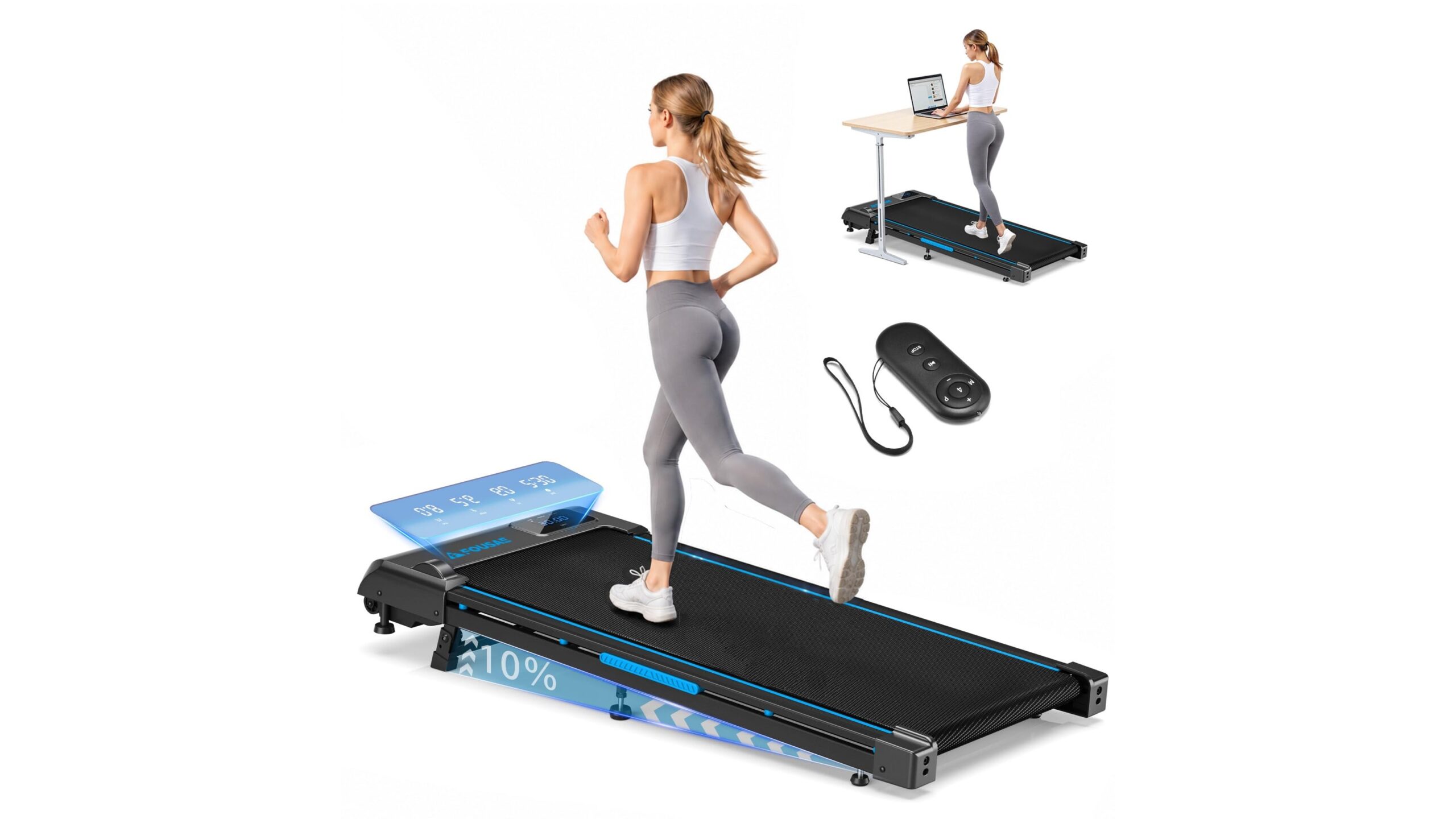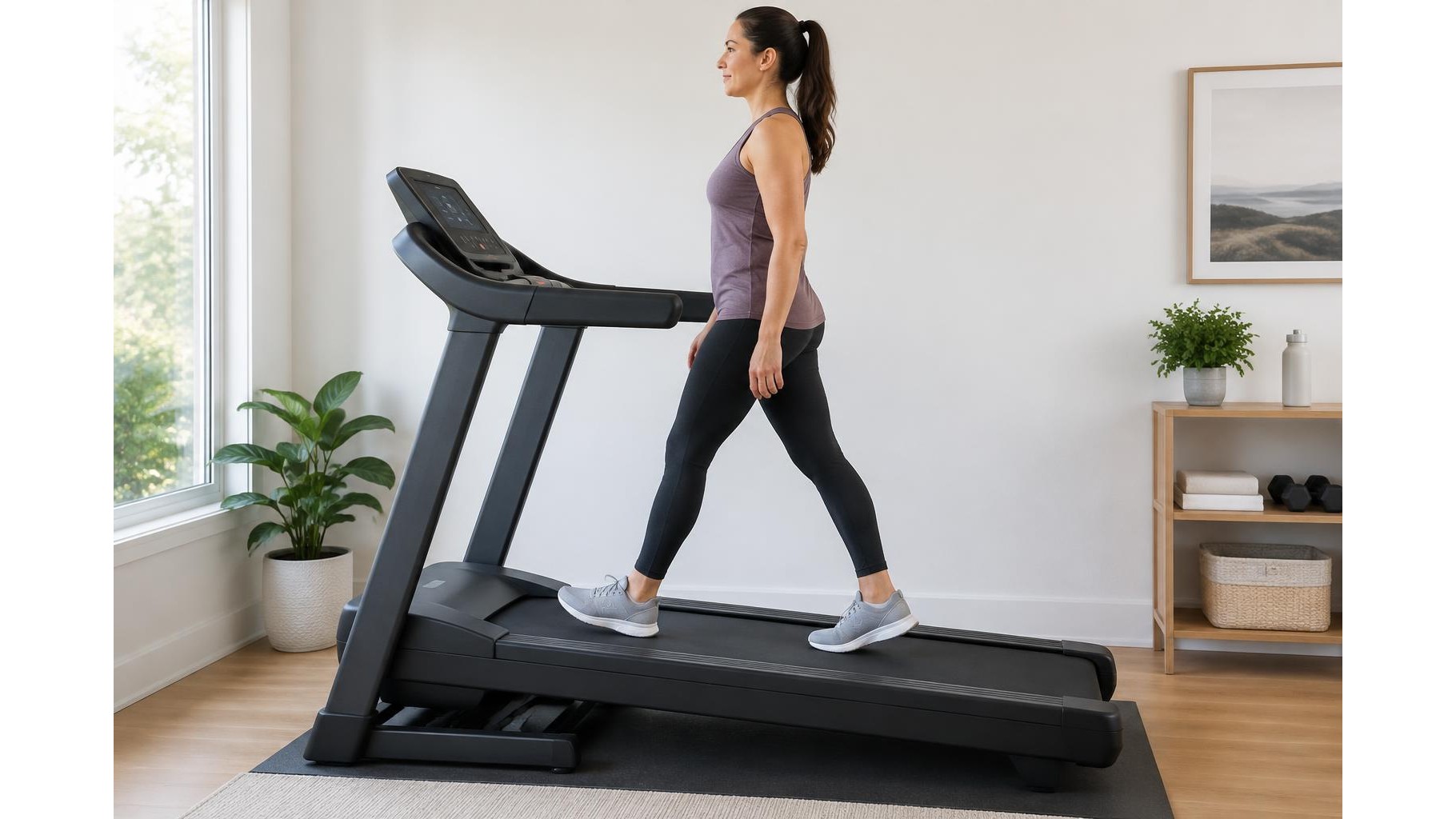
Incline walking is a practical way to make a treadmill workout more challenging without needing to run. A modest slope increases the effort required with each step, while a controlled pace keeps the session accessible and repeatable. The key is to choose a pace and grade you can sustain, then adjust them according to how your body feels rather than chasing a demanding number on the display.
Start with a comfortable baseline
Begin on a flat or nearly flat belt and walk easily for five minutes. This warm-up gives your muscles and joints time to settle into the movement and helps you notice your natural walking speed. If you are new to treadmill exercise, choose a pace that feels purposeful but relaxed; you should not need to grip the handrails or shorten your stride to keep up. Once you feel warm, increase the grade by a small amount, such as one or two percentage points, and give yourself a few minutes to assess the change. Incline displays can differ between machines, so use the setting as a guide, not a universal measure of difficulty.
Choose a grade you can control
There is no single ideal incline for everyone. A gentle grade can be enough to raise your effort, especially if you are starting out or returning after a break. Increase the slope gradually, and avoid making a large jump in both grade and speed at once. Your posture should remain tall, with your gaze forward and steps comfortable. Lightly touching the rails for balance is different from leaning on them to support your body; if you need to pull yourself forward, reduce the incline or slow down. A manageable grade is one you can hold without losing good form.
Use effort, not just treadmill numbers
The talk test offers a simple way to gauge intensity. At a steady, moderate effort, you should be able to speak in short sentences, although singing would feel uncomfortable. If you can only manage a few words, lower the speed or grade until your breathing becomes more controlled. You can also use perceived exertion on a scale from 1 to 10: aim for roughly 4 to 6 for a sustainable cardio session, where the work feels noticeable but manageable. These checks are especially useful when sleep, stress, temperature or fitness levels affect how a familiar pace feels.
Try a beginner-friendly session
Build your workout around gradual changes rather than an all-out climb. After a five-minute easy warm-up, alternate a few minutes at a gentle incline with a few minutes at a lower grade. Keep the walking pace steady at first, then adjust only if your effort stays within your target range. Finish with several minutes of easy, flat walking to bring your breathing down. For example, a 20-minute session might include five minutes of warm-up, three rounds of three minutes at a comfortable incline and two minutes easier, followed by a two-minute cool-down. Shorten or lengthen the intervals to suit your current ability.
Progress gradually and recover well
Repeat a comfortable session before making it harder. When it begins to feel easier, change just one variable: add a little time, raise the grade slightly or increase the pace modestly. Keeping a brief record of duration, incline and perceived effort can help you spot progress without turning every workout into a test. Allow easier days when you feel unusually fatigued, and stop if you experience sharp pain, dizziness or unusual shortness of breath. If you have a health condition or are unsure whether exercise is appropriate, seek personalised advice from a healthcare professional.
In summary, sustainable incline walking comes from small adjustments, steady pacing and honest effort checks. Start with a warm-up, pick a manageable grade, use the talk test or perceived exertion to guide your intensity, and progress one step at a time. A session you can repeat comfortably is more useful than a steep, exhausting workout you cannot sustain.