Compact, foldable spin bikes with tablet mounts are a smart solution when you want serious apartment cardio without dedicating an entire room to a home gym. Before you click “buy now”, it’s worth understanding how these bikes differ from full‑size studio models and which features matter most when you live in a small flat, especially upstairs. From frame stability and resistance systems to noise levels and the practicality of the tablet holder, checking a few key details can mean the difference between a bike you love and one that ends up folded in a cupboard for good.
Frame stability and folding mechanisms for small flats
The first thing to examine is the frame design and how the bike folds. Many compact bikes prioritise a tiny footprint over stability, which can lead to wobbling when you stand up to pedal or increase the resistance. Look for a solid steel frame, a clearly stated max user weight that realistically covers everyone in your household, and wide stabiliser bars at the front and rear. A good foldable bike should move from riding position to storage in one or two simple steps, using a secure locking pin or latch so it can’t accidentally collapse mid‑workout. Check product photos for side views of the hinge area and read user reviews that mention rocking or side‑to‑side movement. In a small apartment, the ideal model is one that feels planted on the floor when in use but still folds slim enough to slide behind a door or wardrobe.
Resistance system and workout intensity
For effective cardio training at home, the resistance system matters more than flashy extras. Foldable bikes often use magnetic resistance, which is ideal for apartments because it’s smooth, low‑maintenance and almost silent. Look for at least 8–16 distinct resistance levels controlled by a dial or digital buttons, so you can shift from light spinning while streaming a show to tougher hill‑style intervals. Cheaper models can feel either too easy at the top level or very “jumpy” between settings; user reviews are a good clue here, especially those mentioning “strong enough resistance” or “good for HIIT”. If you like to follow intense spin classes on an app, make sure buyers mention being able to get out of the saddle and still feel adequate resistance; otherwise you may be limited to seated, low‑intensity rides.
Tablet mounts and screen ergonomics
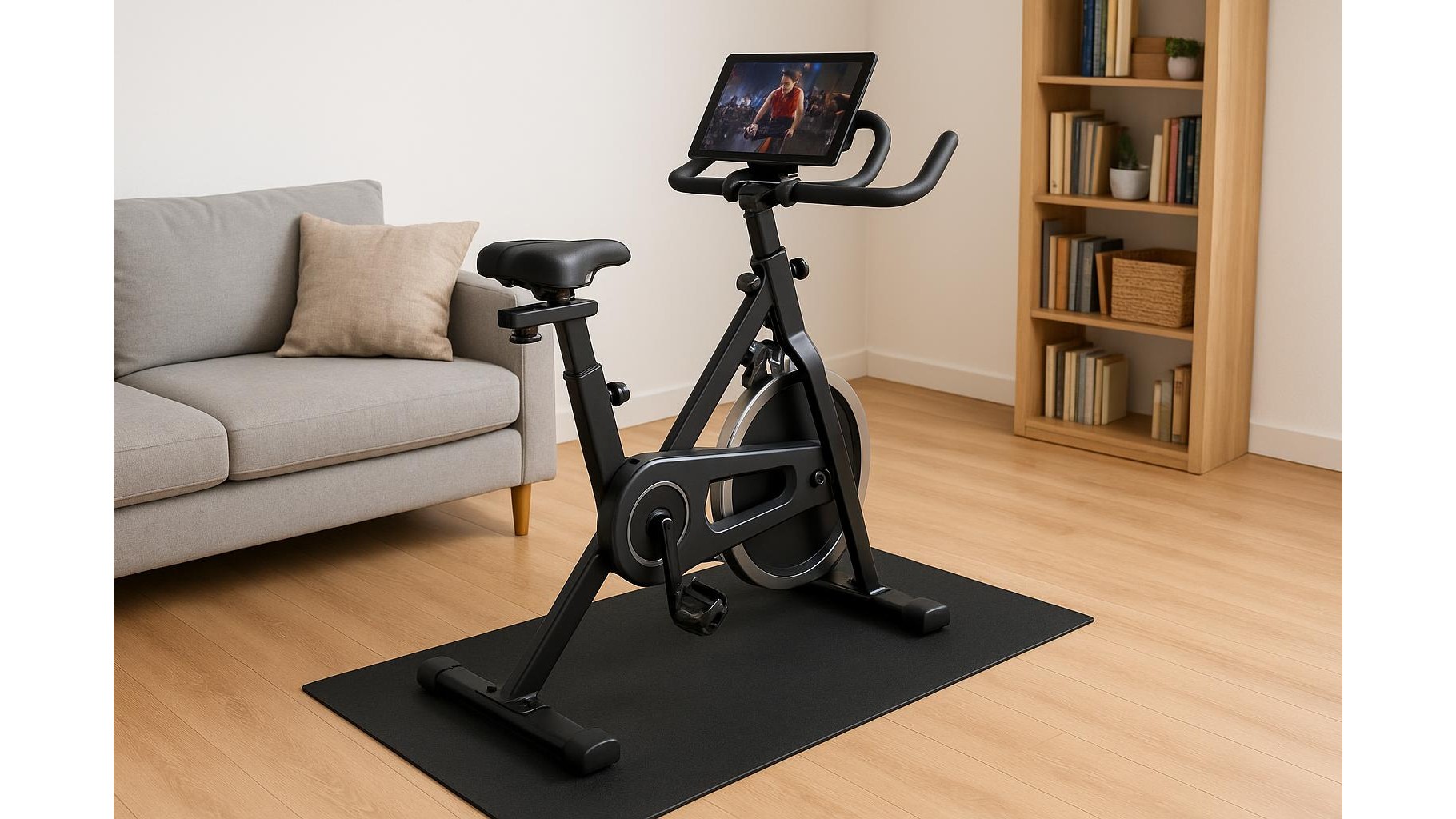
The whole point of choosing a spin bike with tablet mount is to follow classes or stream entertainment hands‑free, so treat the holder design as a core feature, not a bonus. A good mount should sit high enough that you don’t have to drop your head and strain your neck, and it should clamp securely around the edges of your tablet or phone rather than relying on a shallow ledge. Rubberised grips or a backing pad help prevent slipping when you increase cadence. Also check whether the mount blocks the bike’s basic LCD display, which is common on compact models. If you care about seeing speed, time or calories at a glance, you’ll want a layout where the tablet sits above or in front of the console, not directly over it. Finally, confirm that it fits your device size (for example, up to 10–12 inches) so your preferred tablet doesn’t end up in your lap mid‑sprint.
Noise levels and neighbour‑friendly riding
When you live in an upstairs flat, noise and vibration are critical. While most magnetic foldable bikes are marketed as “quiet”, there can still be differences. Look for models that pair magnetic resistance with a belt drive rather than a chain, as belts run more smoothly and require less maintenance. Reviews that specifically mention “whisper‑quiet” or being able to ride while someone sleeps in the next room are especially valuable. Using a thick exercise mat under the bike not only protects your floor but also reduces vibration that can travel to neighbours below. If you plan to do out‑of‑the‑saddle sprints, pay attention to comments about creaking or clicking sounds from the frame or pedals. The quieter and smoother the mechanism, the more likely you’ll be comfortable riding early in the morning or late at night without worrying about complaints.
Comfort, adjustability and everyday usability
Foldable spin bikes are often used by multiple people in the same household, so adjustability becomes crucial. At minimum, you’ll want seat height adjustment that can accommodate your inseam; taller riders should check for reviews noting suitability over about 180 cm. A wider, padded saddle can be more forgiving for beginners, but if you prefer a sportier feel you might want a narrower seat or the option to swap it out. Handlebar design is another factor: even simple upright bars should offer a few comfortable hand positions and a non‑slip grip, especially if you sweat a lot during interval sessions. Don’t forget day‑to‑day details like transport wheels on the front stabiliser for rolling the bike into a corner, and a clear, simple console that shows time, distance and heart rate (if hand pulse sensors are included). Small usability tweaks are what make a compact bike feel like a permanent part of your routine rather than an occasional gadget.
Choosing the right foldable spin bike with a tablet holder for an apartment comes down to balancing stability, resistance quality, noise control and comfort with the convenience of a compact, easy‑to‑store frame. Prioritise a sturdy build and smooth magnetic resistance first, then focus on a secure, well‑positioned tablet mount that supports the way you like to train, whether that’s structured classes or casual rides while you stream. By checking these details before buying, you’ll end up with a neighbour‑friendly bike that folds away neatly yet still delivers engaging, effective cardio sessions at home.