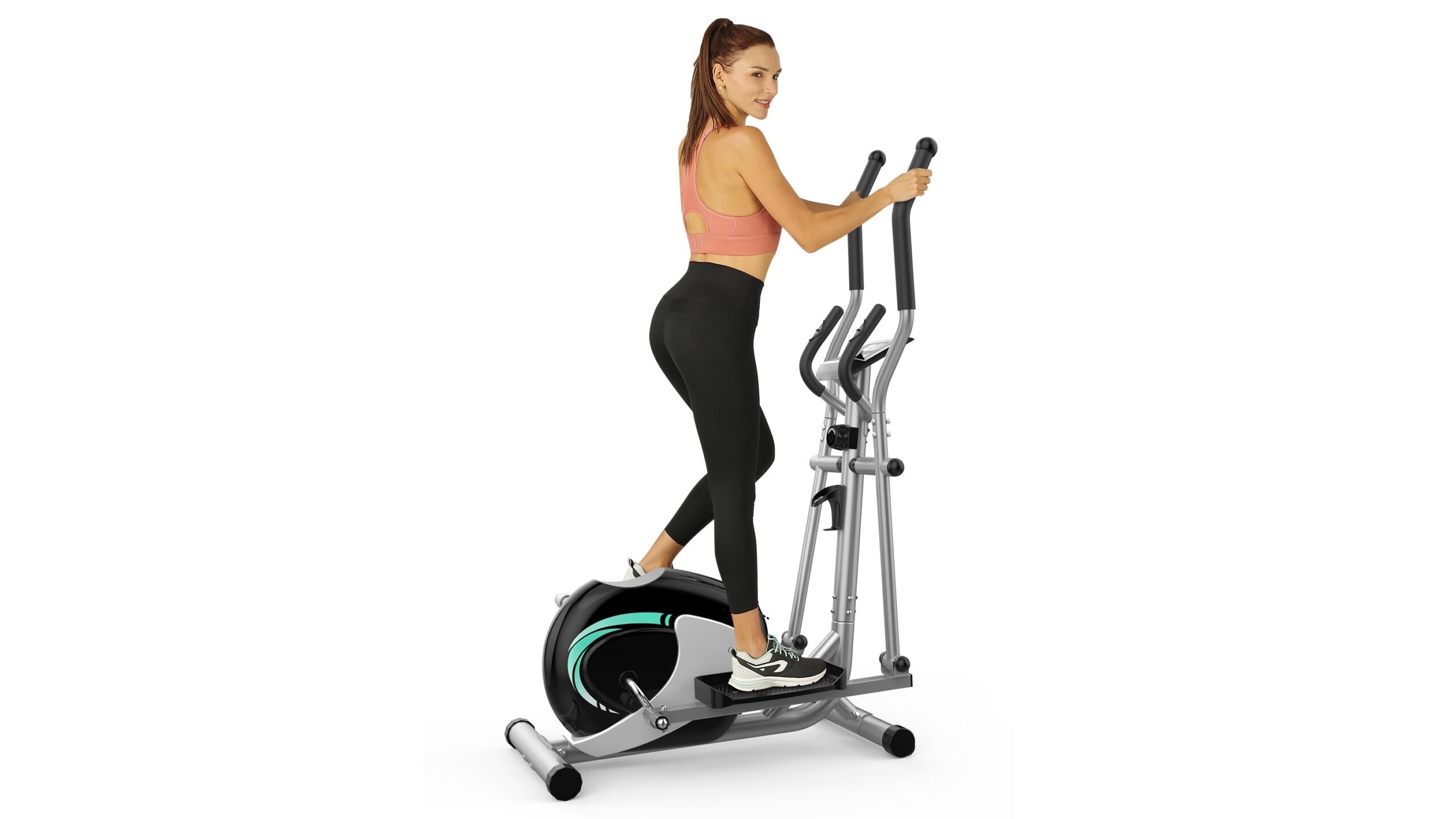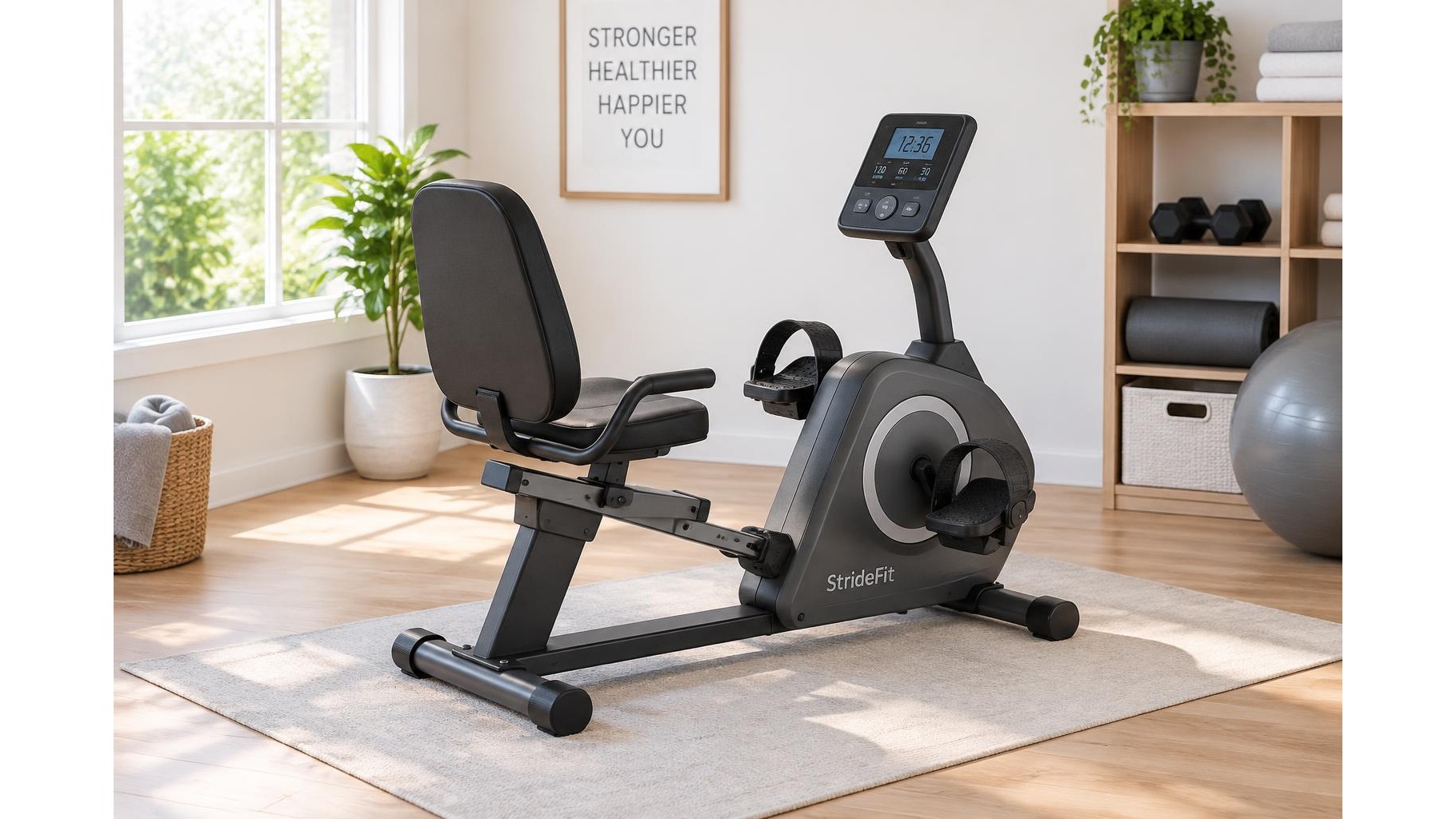
A compact recumbent stepper can combine a seated, supported position with a stepping or elliptical-style movement, making it an option for home cardio when space, comfort or balance matters. Models vary considerably, though: the name alone does not tell you how the pedals move, how resistance feels or whether the machine will fit your body and room. Before buying, compare the design, adjustment range, stability and console against your goals, available floor space and preferred workout intensity.
Compare the movement and overall design
Check how each machine produces its stepping action. Some use independent pedals that move through a short up-and-down path; others combine stepping with a more elliptical motion. The path affects how the exercise feels and how much room the pedals need. Look at the machine’s footprint in use, not just its folded or storage dimensions, and allow extra clearance around the pedals and seat. If possible, view a demonstration or try a similar design: a compact frame is only useful if the movement feels natural and controlled for you.
Choose resistance that matches your goals
Resistance may be magnetic, friction-based or generated through another mechanism, and the adjustment method can be manual or electronic. Compare the number of levels, how smoothly they change and whether the lightest setting is genuinely easy to pedal. For gentle, steady cardio or rehabilitation-style movement, low resistance and small increments can matter more than a very high top setting. For progressive fitness training, check that the machine offers enough challenge and that resistance can be adjusted without interrupting your session. A stated level count is not a measure of workout quality on its own.
Check seat fit and adjustability
A recumbent position should let you sit back comfortably while reaching the pedals without locking your knees or stretching to the far end of each stroke. Compare the seat’s fore-and-aft adjustment, backrest shape and height, as well as any stated user-height or weight guidance. If more than one person will use the stepper, make sure adjustments are quick and secure. Also consider whether the seat is wide and supportive enough for your intended workout duration. A good fit helps you maintain a relaxed posture instead of shifting around to reach the pedals.
Assess stability, frame and practical details
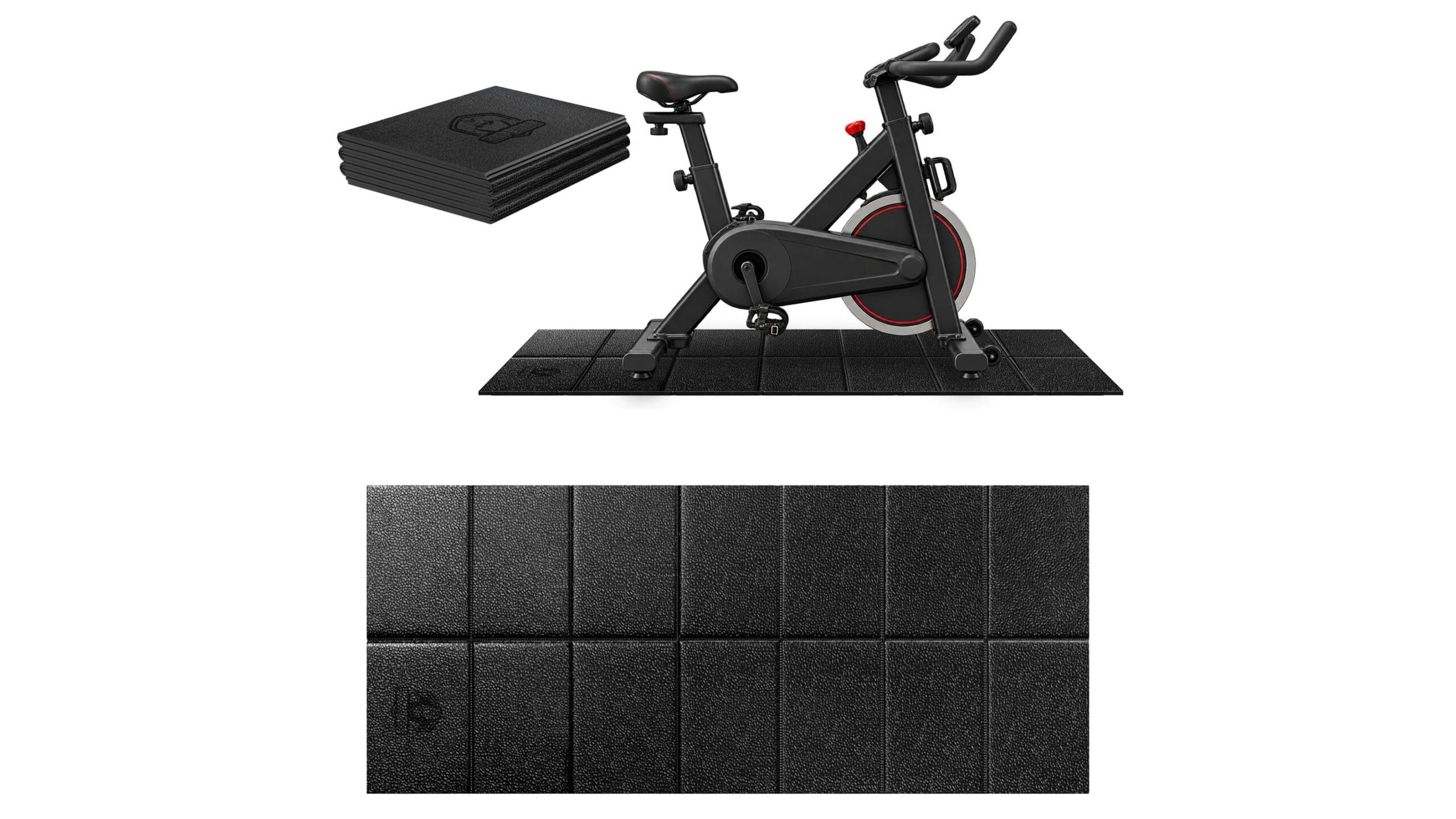
Look for a sturdy frame, secure pedal straps and feet that sit evenly on your floor. A machine that rocks during a test may feel distracting or unsafe during regular use. Check the manufacturer’s maximum user weight, but treat it as a limit rather than proof of stability. Transport wheels can help with moving the unit, though they do not replace a stable workout position. Measure doorways and storage areas, and consider floor protection, assembly requirements and the noise you might hear in a shared home.
Decide which console features you will use
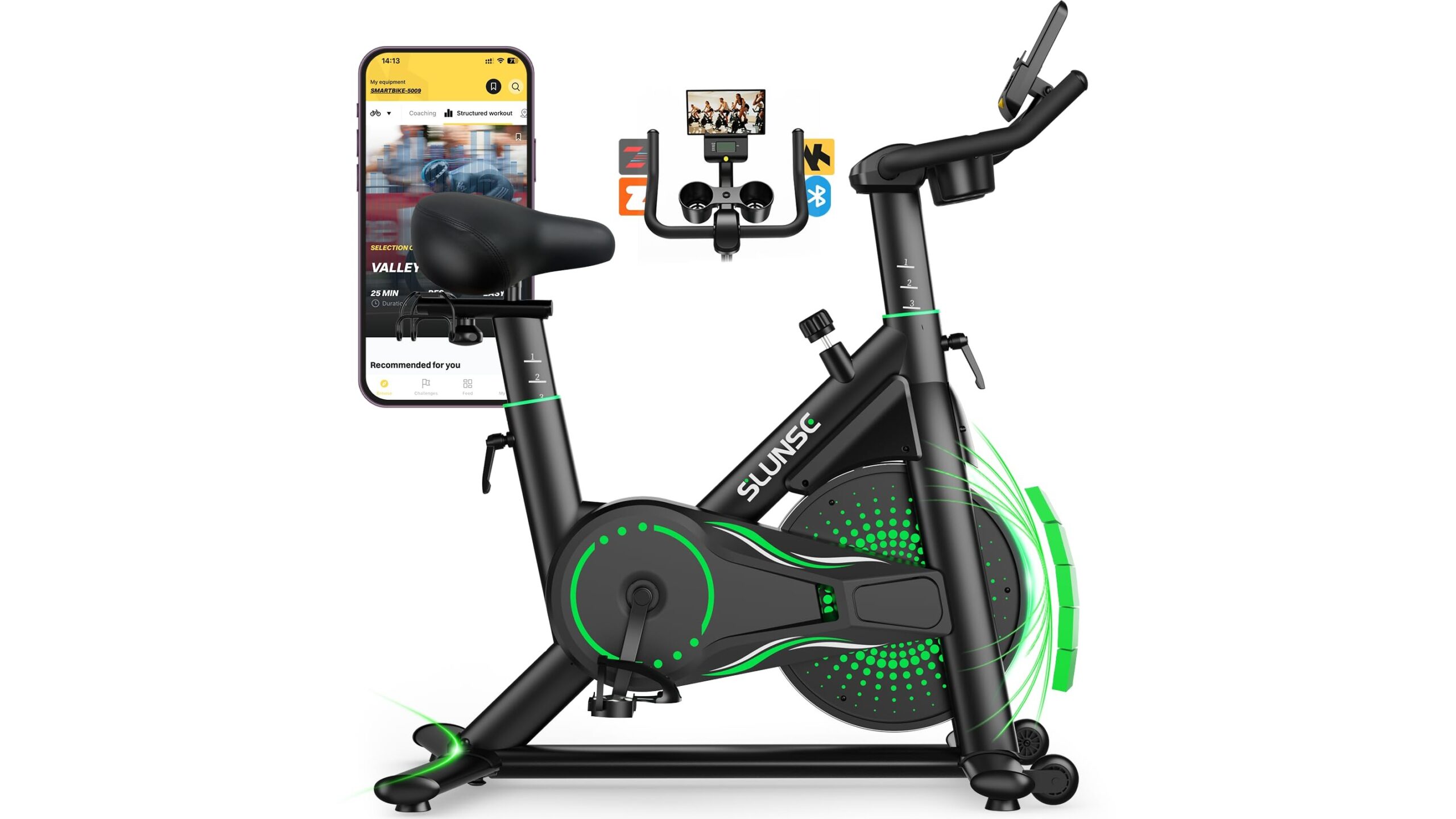
Console functions can include workout time, speed, distance, estimated calories, pulse readings and preset programmes. Prioritise clear, readable information over a long feature list. Check whether the display is easy to see from the seated position, whether buttons are within reach and how the console is powered. Hand-grip pulse sensors can provide a rough reading, but should not be treated as a medical measurement. If you want to track progress, see whether the machine supports the connectivity or data recording you actually use; otherwise, a simple display may be easier to operate.
Before choosing, compare the stepper’s movement, resistance range, seat fit, stability and console as a complete package. Confirm dimensions and user limits, then consider how the machine will fit your room and routine. A well-matched model is not necessarily the one with the most programmes or highest resistance: it is the one that feels comfortable, stable and practical enough for consistent home cardio.