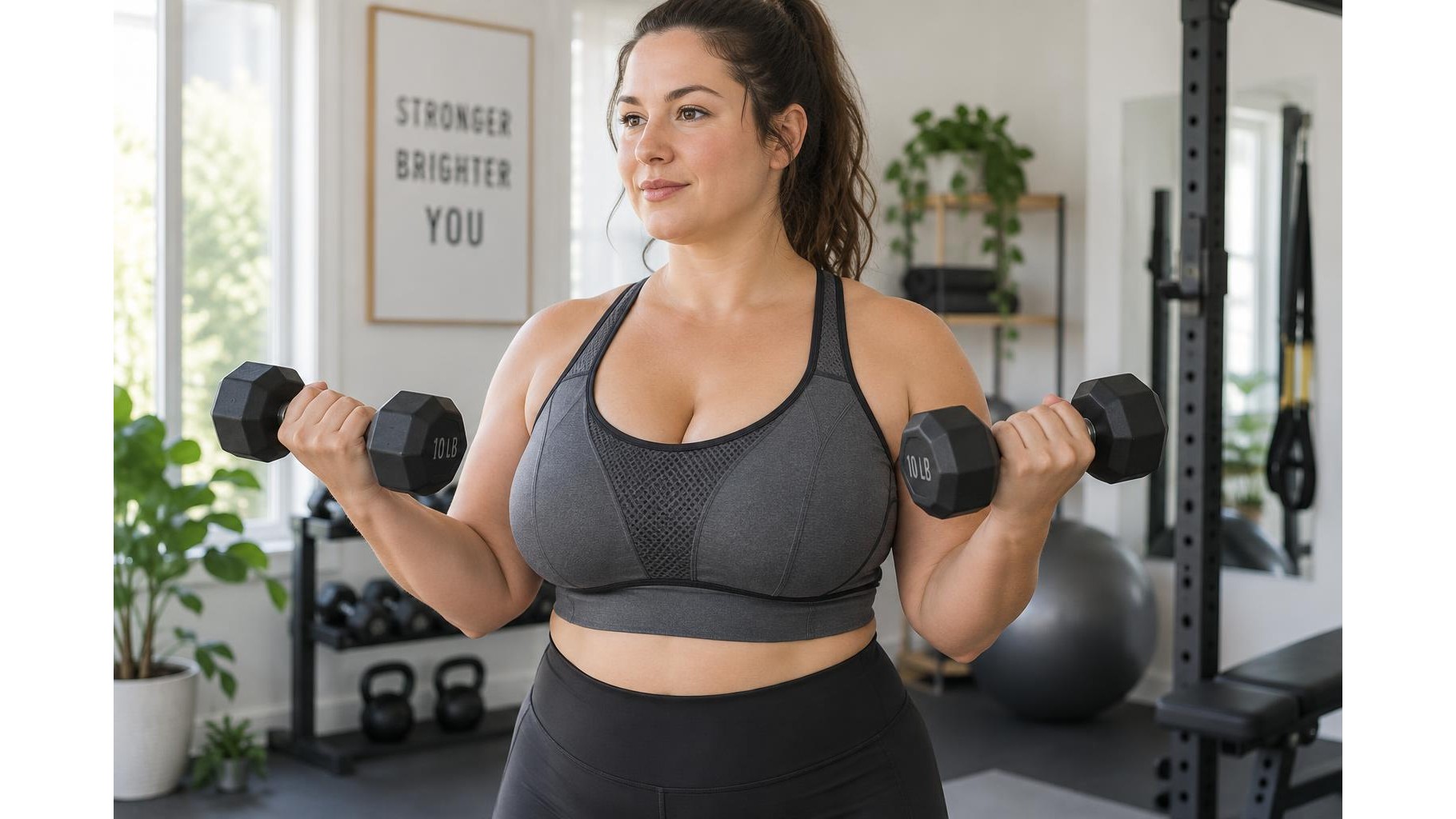
Choosing a workout top for a larger bust is about more than finding a snug fit. The right combination of fabric, neckline, seams, length and support can make home strength training feel comfortable and keep movement manageable during cardio. Start by thinking about the activities you do most, then check how a top performs while you move—not just how it looks when standing still.
Choose fabric that feels secure and breathable
Look for a close-fitting, stretchy fabric that returns to shape after being pulled. A blend with elastane can offer useful hold, while moisture-wicking fibres help manage sweat during circuits or warm sessions. The fabric should feel supportive without restricting deep breaths or shoulder movement. Avoid material that becomes see-through when stretched, rolls easily, or feels rough against the skin. If you train at home in a warm room, breathable panels or a lighter fabric may improve comfort, but the top still needs enough structure to reduce unwanted movement.
Match the neckline and straps to your movement
A higher neckline can provide more coverage during floor work, bending and dynamic exercises. A scoop or V-shaped neckline may feel less restrictive, but check that the edges stay flat when you lean forward. Wider straps often spread pressure more comfortably than thin straps, especially during longer sessions. Adjustable straps let you fine-tune the fit, while racerback designs can keep straps in place during pressing and rowing. Neither shape is automatically best: choose the one that stays put without digging into your shoulders or limiting your range of motion.
Check seams, band and built-in support
Seams and panels influence how a top supports and shapes the bust. Smooth, flat seams can reduce rubbing, while structured panels may offer more separation and control. A firm underbust band should sit level around your torso and feel secure without pinching or making breathing uncomfortable. Built-in support varies: some tops use a simple inner layer, while others include shaped cups, removable pads or a more structured design. Check that any cups lie smoothly and do not shift during movement. If you need substantial support, a fashion-style top with a light lining may not be enough for cardio.
Get the length and fit right
Longer tops can offer extra coverage when reaching overhead, stretching or moving between standing and floor exercises. The hem should stay in place without bunching beneath the bust or riding up. Check the fit across the chest, underarms and back: fabric should not pull into sharp lines, gape at the neckline or cut into your sides. Use the brand’s size chart and measure your underbust and bust rather than relying only on your usual clothing size. If you are between sizes, compare the garment’s support design and return policy before choosing.
Test the top for your impact level
For strength sessions, try arm raises, torso twists, a deep squat and a controlled floor press. The top should stay secure without restricting your breathing or shoulder mobility. For low-impact movement, such as yoga or walking, light-to-medium support may be comfortable. For jumping, running in place or fast circuits, look for a more secure, high-support design with a stable band and straps that do not slip. At home, test a few gentle hops and jog on the spot. Stop if you feel pain, excessive movement, rubbing or pressure that makes breathing difficult.
The best supportive workout top is the one that feels comfortable through the movements you actually do. Prioritise secure support, breathable stretch, a stable band and a fit that stays put; then test it during both strength and cardio drills. A thoughtful fit check can help you train with greater comfort and confidence at home.