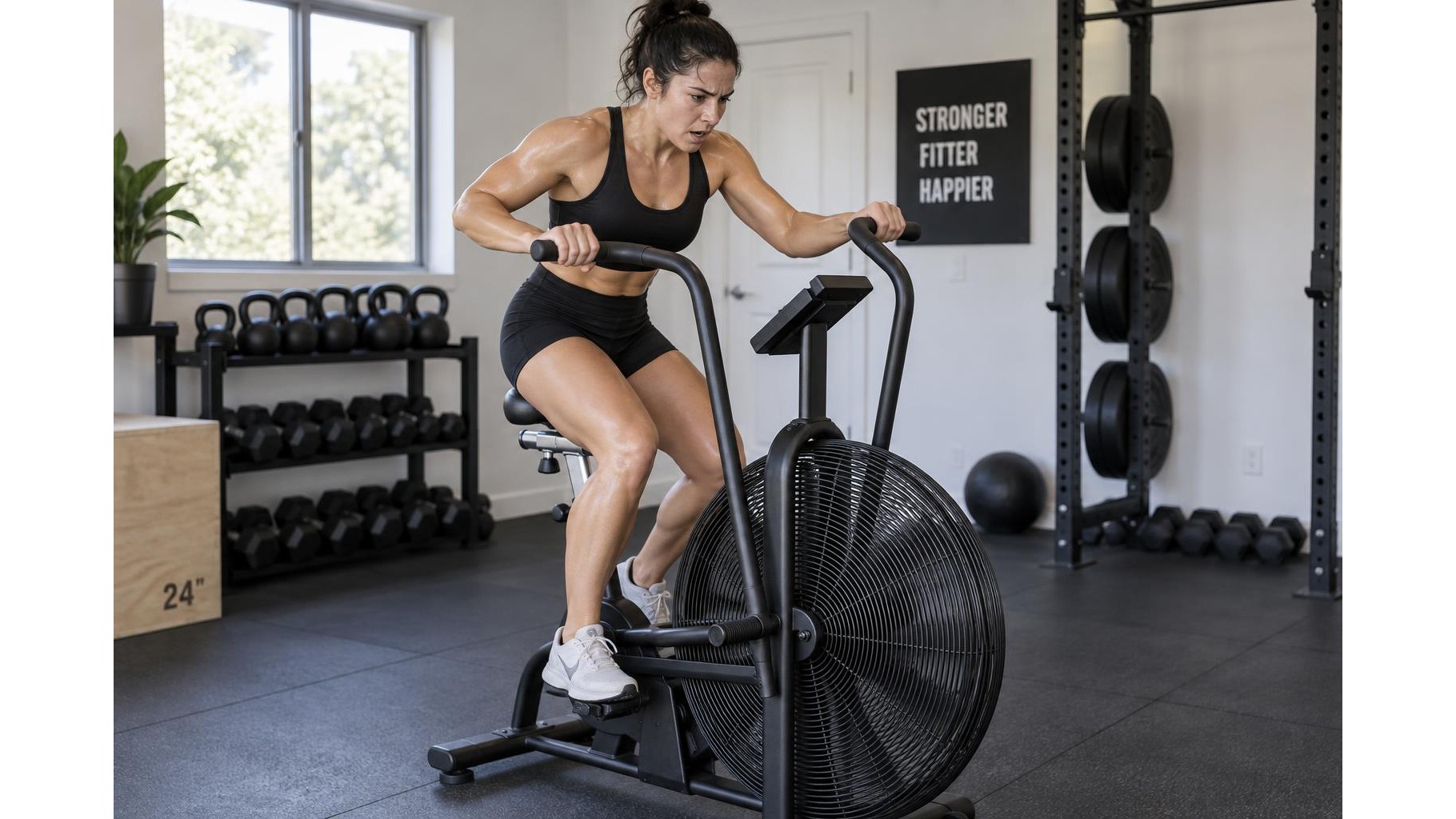
An air bike can turn a small corner of a home gym into a demanding interval station. Its fan creates resistance as you pedal, while moving handlebars can recruit the upper body as well as the legs. But bikes differ in stability, feel, size and upkeep. The right choice depends less on flashy extras than on how hard you plan to train, how much room you have and whether you want coordinated arm-and-leg work.
Start with frame stability
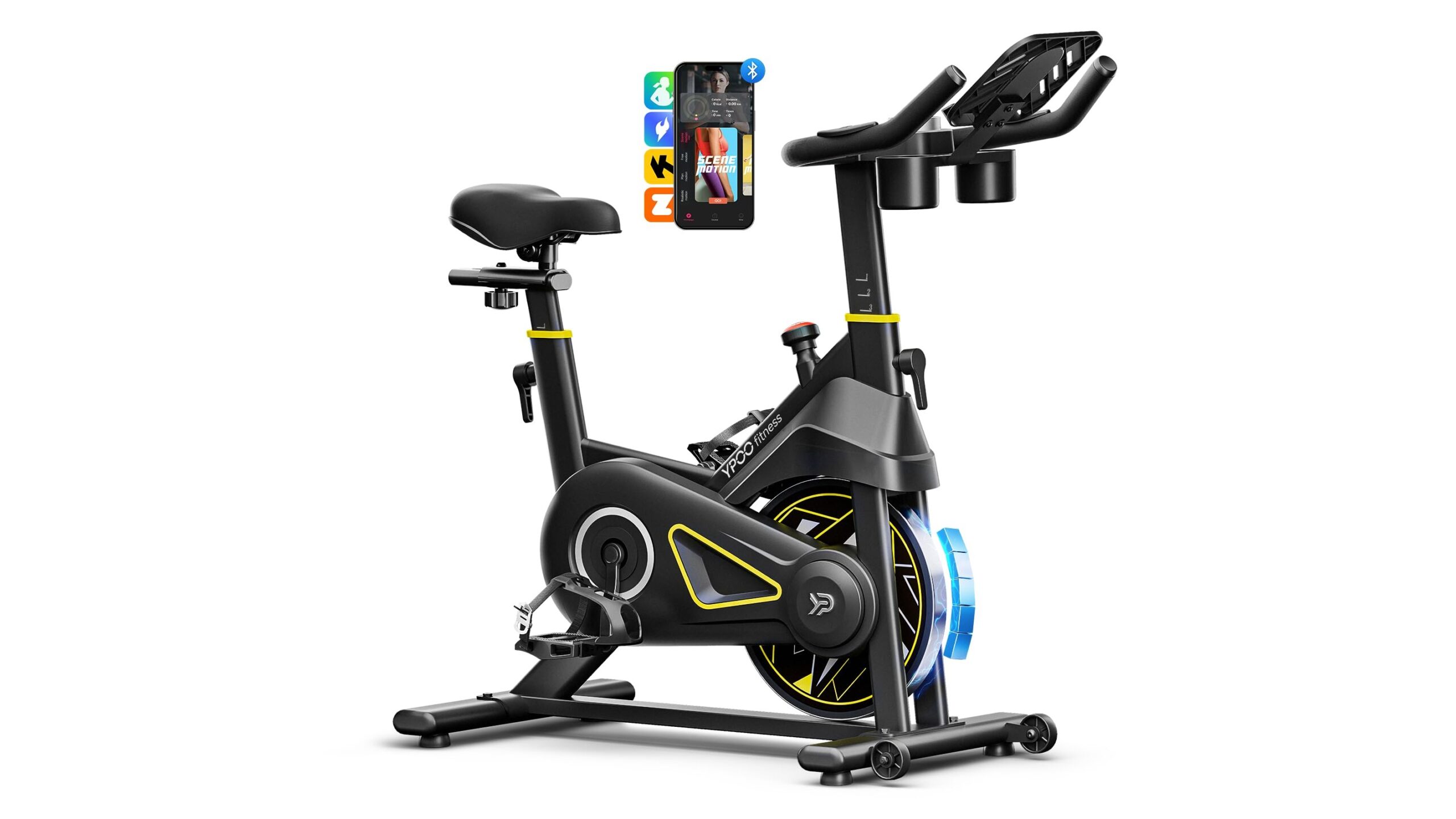
Hard sprints expose a weak or undersized frame quickly. Look for a sturdy steel construction, a broad base and feet that sit firmly on your floor; levelling adjusters can help on slightly uneven surfaces. If possible, check the bike’s maximum user weight and overall weight, then consider how securely it stays planted when you pull and push the handles at speed. A heavier frame may feel more reassuring, though it can be harder to move. Transport wheels are useful, but they should not compromise stability once the bike is in position. Reviews that mention rocking, rattling or flex under effort are worth investigating before you buy.
Understand fan resistance
Most air bikes use a large fan rather than a conventional magnetic resistance dial. The faster you pedal or drive the handles, the more air the fan moves and the harder the effort becomes. This makes resistance responsive and suitable for short, all-out intervals as well as steady conditioning. It also means the bike does not offer a fixed resistance level in the same way as many indoor cycles. Fan size, blade design and drivetrain affect the ride, so compare specifications and, where possible, try the bike. Expect noticeable airflow and some fan noise; a quieter room or shared living space may make that a deciding factor.
Choose the handle action for your training
On a full-body model, the handlebars move in opposition to the pedals, letting you push and pull through each stroke. This spreads work across the arms, shoulders, back and legs, and makes the bike useful for time-efficient intervals. Check that the handle path feels natural and that grips are comfortable, secure and easy to reach. Some models allow the handles to be held still while you pedal, which is helpful when you want to emphasise lower-body work. If you have limited shoulder mobility or prefer cycling without upper-body effort, make sure the handle arrangement suits you before committing.
Measure the footprint and clearance
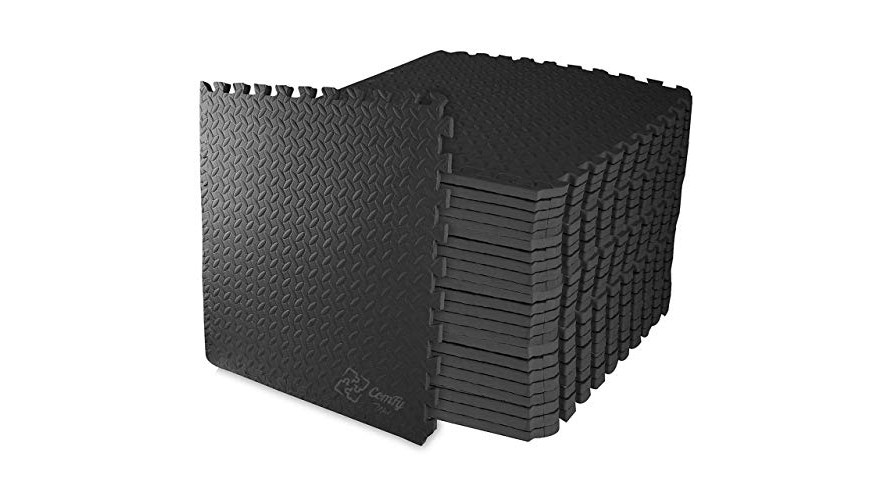
Compare the listed length and width with the space available, leaving room to mount the bike, move the handles freely and step off safely. The handlebars sweep through a wider area than the frame itself, so measure that operating clearance too. Check ceiling height if you plan to stand during hard efforts, and consider the floor beneath the bike: a suitable mat can protect surfaces and help manage vibration. A compact footprint is useful, but do not sacrifice a stable base or comfortable riding position just to save a few centimetres. Also plan where the bike will live, since frequent lifting is inconvenient.
Plan for maintenance and routine use
Air bikes are mechanically straightforward, but regular checks help preserve a smooth ride. Follow the manufacturer’s instructions for cleaning dust and sweat, inspecting bolts, checking pedals and tightening any parts that loosen with use. Keep the fan intake clear and listen for new rubbing, clicking or drivetrain noise. Ask whether replacement parts and service guidance are available, especially for the chain or belt, bearings and monitor. A simple console that displays time, intervals, distance and effort may be enough; reliable workout functions matter more than features you will not use. Easy-to-reach adjustments also make routine care less of a chore.
Match the bike to your home and goals
Before choosing, prioritise the qualities that affect your actual sessions: a stable frame for sprinting, responsive fan resistance, comfortable moving handles, a workable footprint and manageable upkeep. An air bike can be an excellent fit for compact, high-intensity home training, but fan noise, airflow and the space required for handle movement are real considerations. Measure your room, compare build details and check maintenance support rather than choosing on appearance alone. The best bike is one that fits your training, your body and your home—and is ready to use whenever your next interval begins.