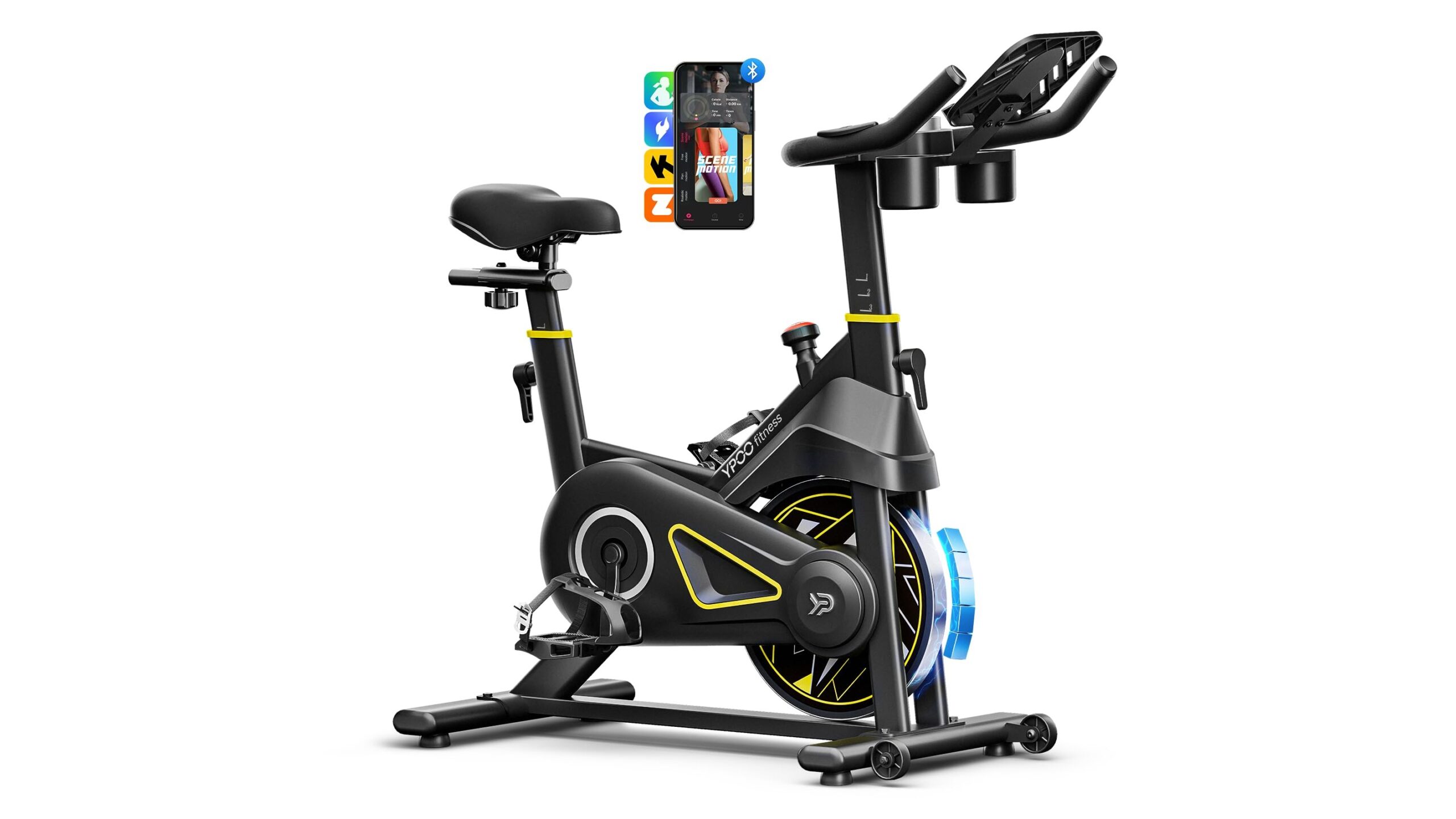
A well-set-up magnetic exercise bike can make indoor riding more comfortable, quieter and easier to stick with. Before your first workout, take a few minutes to choose a suitable spot, adjust the contact points and check that the bike is stable. A gradual start helps you build a routine without turning every ride into a test of endurance.
Choose a quiet, stable riding area
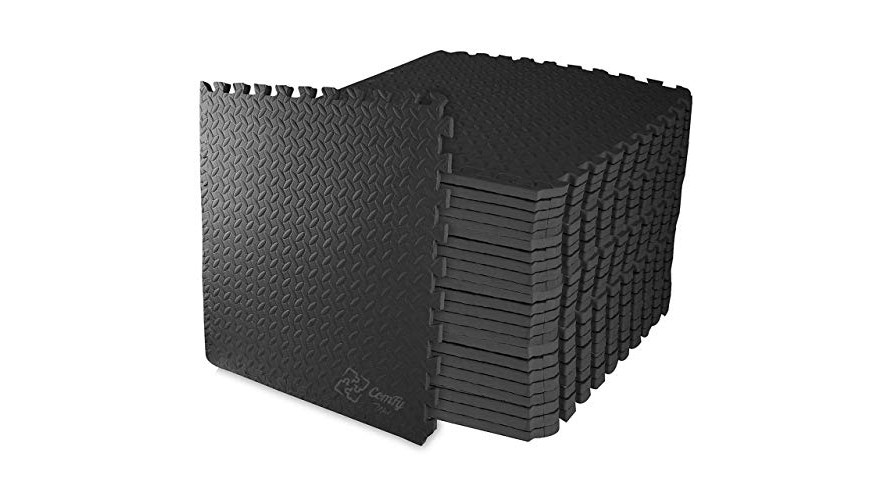
Place the bike on a firm, level floor with enough room to get on and off safely. Leave clearance around the pedals and handlebars, and avoid blocking doors or walkways. If the floor is hard or slippery, a suitable exercise-bike mat can help protect it and reduce small vibrations. Keep the bike away from damp areas and direct heat, and position a fan or open a window nearby so the space stays comfortable. Before riding, check that the power cable, if your model has one, is safely routed and cannot catch under the frame or pedals.
Set the saddle height and position
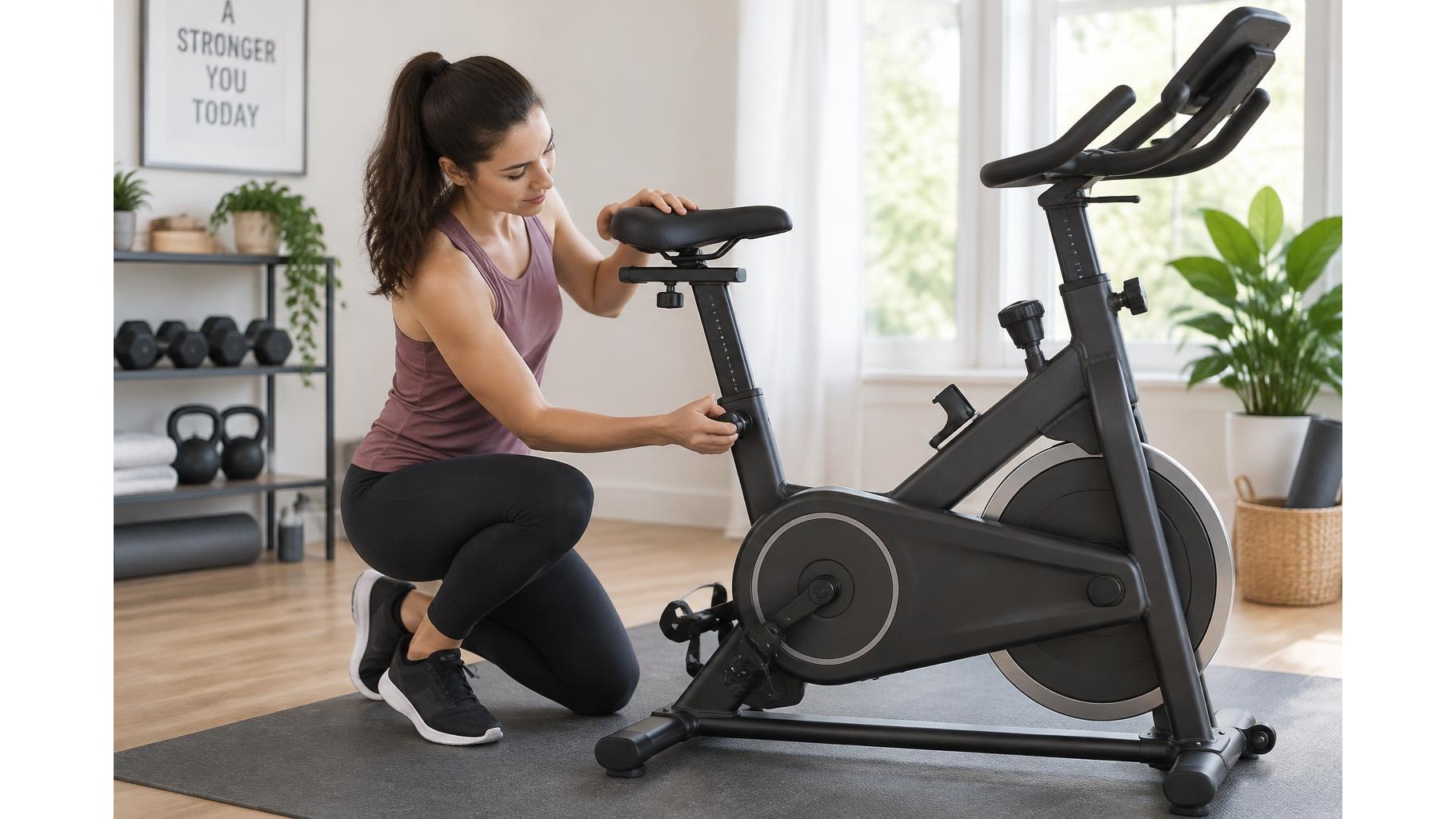
Adjust the saddle so that, with your heel on the pedal at its lowest point, your leg is almost straight without forcing your hip to tilt. When you ride with the ball of your foot on the pedal, you should have a slight bend in the knee at the bottom of the stroke. If the saddle moves forward and back, set it so your knee sits comfortably over the pedal when the crank is horizontal. Make small changes, then pedal gently to assess them. Tighten the adjustment knob or lever firmly, and confirm the seat cannot twist or slide before starting your session.
Adjust the handlebars for relaxed posture
Set the handlebars at a height that lets you reach them without rounding your shoulders or locking your elbows. Beginners and anyone seeking an upright, relaxed position may prefer them level with, or slightly above, the saddle. Keep a soft bend in your elbows and avoid leaning heavily on your hands. If the bars adjust forward and back, choose a reach that allows you to hold them comfortably while keeping your chest open. Tighten the locking mechanism and test it with a light push before riding. Revisit the position after a few short sessions; comfort is a useful guide, not a reason to ignore pain or numbness.
Check stability, pedals and resistance
Stand beside the bike and press gently on the saddle and handlebars to see whether the frame rocks. Adjust the levelling feet, if fitted, until all contact points sit firmly on the floor. Check that pedal straps hold your feet securely without pinching, and inspect the pedals for looseness. Follow the manufacturer’s instructions for resistance controls: begin at a low setting and increase it gradually while pedalling. Magnetic resistance is generally smooth, but the flywheel and pedals still need to move freely. Stop if you hear an unusual knocking sound, feel unexpected movement or notice a loose fitting.
Build a gradual, repeatable routine
Start with a few minutes of easy pedalling, then ride at a pace that lets you speak in short sentences. For your first week, choose a manageable duration and frequency, such as 10–15 minutes on several days, and add time gradually as the effort feels comfortable. Finish with a few easy minutes rather than stopping abruptly. Keep water within reach and note your saddle settings so you can return to a familiar fit. Consistency matters more than chasing high resistance: let your breathing, energy and recovery guide each increase.
After each ride, wipe sweat from the saddle, handlebars and frame, and check periodically that adjustment knobs, pedals and stabilising feet remain secure. Consult the bike’s manual for cleaning and maintenance guidance, and avoid lubricating parts unless the manufacturer recommends it. A stable setup, comfortable fit and gradual schedule make indoor rides easier to repeat. Recheck your position whenever discomfort persists, and stop exercising if you experience sharp pain, dizziness or other concerning symptoms.