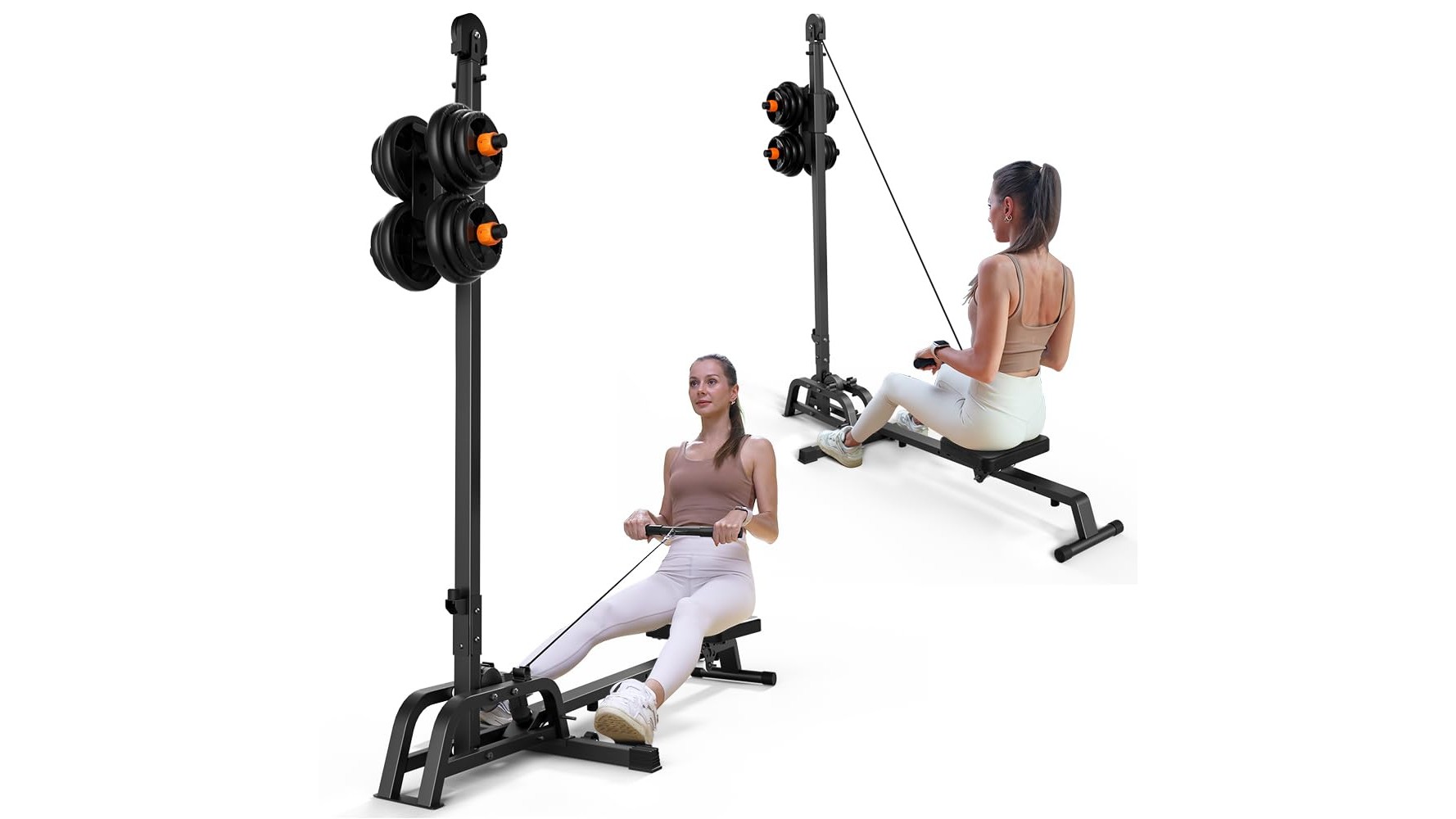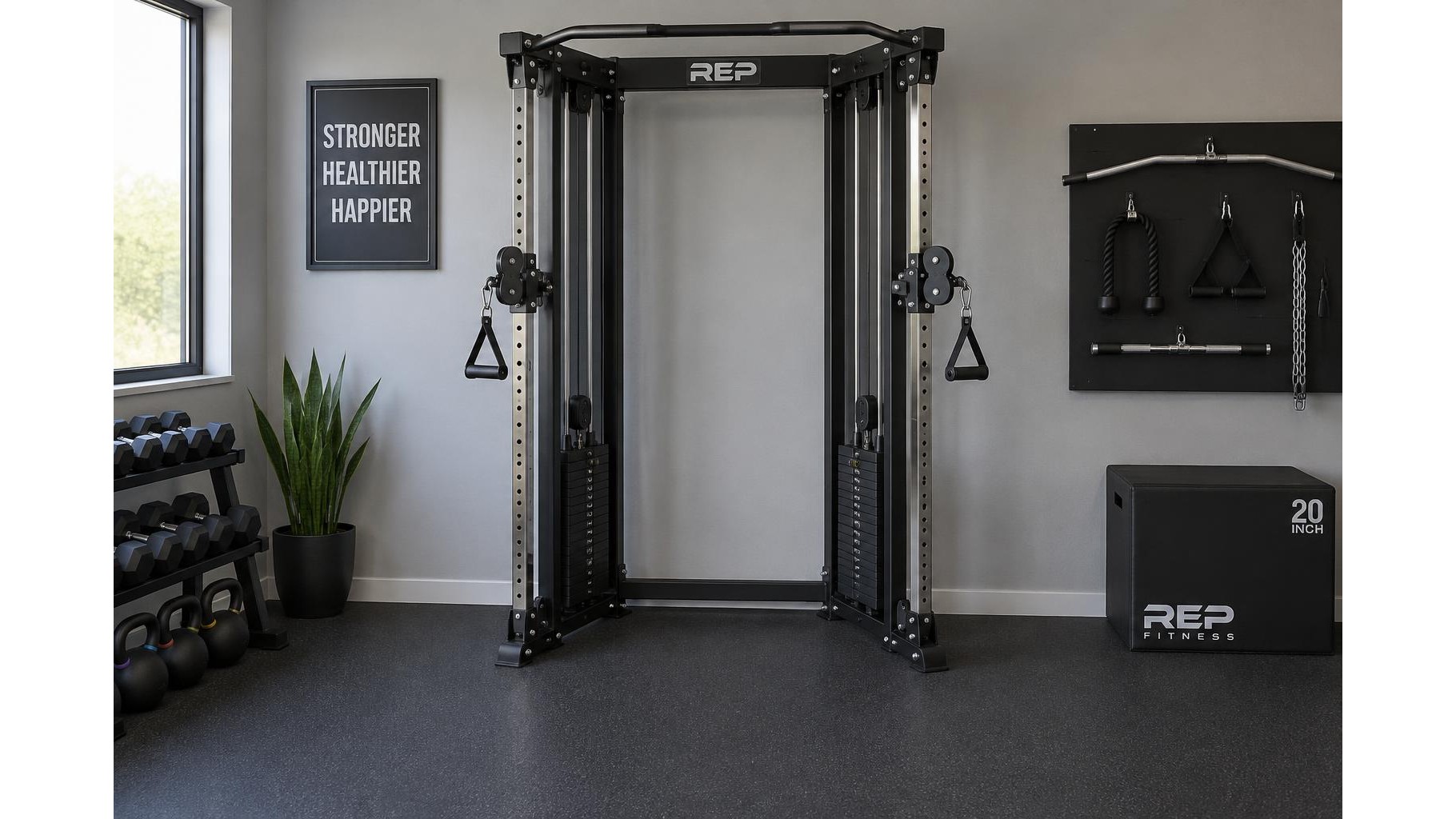
A compact adjustable cable station can add a wide range of exercises to a home gym without taking up the floor space of a full cable crossover. The right choice depends on more than the machine’s footprint: pulley ratio, cable travel, resistance capacity, attachments and installation all affect how useful and safe it will be. Compare these details against your training goals and the room you have available before buying.
Understand the pulley ratio
A pulley ratio describes how the selected weight translates into resistance at the handle. With a 2:1 ratio, the handle typically feels about half the selected stack weight, while providing a longer and smoother cable movement. A 1:1 ratio generally delivers resistance closer to the selected weight, but the cable may travel a shorter distance. Check the manufacturer’s stated ratio and whether it changes when using one or both pulleys. Consider the resistance you need for your main exercises, rather than comparing weight-stack numbers alone.
Check cable travel and adjustment range
Cable travel is the usable distance the handle can move before reaching its limit. Longer travel can better accommodate standing presses, lunges, wood chops and full-range pulldowns. A short cable may be adequate for curls, triceps pushdowns and other controlled movements, but could restrict larger exercises. Also examine the number and spacing of pulley height settings. A wide adjustment range makes it easier to set the line of pull for high, mid and low positions; close-spaced settings allow finer positioning. If possible, compare the cable’s usable travel with the movements you plan to perform.
Match capacity to your training
Look beyond the headline maximum load. Check whether the stated capacity refers to the weight stack, each cable, the frame or a combined limit, and confirm how the pulley ratio affects resistance at the handle. A station with a modest stack can still be versatile, especially for single-arm work and higher-repetition training. For heavier pulling, make sure the available resistance will remain challenging as you progress. Consider frame stability as well: maximum-load figures are less meaningful if the station shifts, flexes or needs a secure wall fixing that your room cannot support.
Evaluate attachments and exercise options
Included handles can determine how useful the station is from day one. Common accessories include a single handle, ankle strap, triceps rope and short straight bar. Check the connector type and whether it accepts standard carabiners, so you can add compatible attachments later. Two independent pulleys can support unilateral training and allow different movements to be set up on each side; a single pulley may suit a simpler programme while using less space. Choose accessories around your routine, and verify that handles are comfortable and securely attached rather than assuming a long accessory list guarantees quality.
Measure the room and plan installation
Measure the machine’s width, depth and height, then allow extra clearance for your body, cable movement and changing attachments. A compact wall-mounted unit saves floor space, but it must be fixed to an appropriate structural surface using the specified hardware. Confirm wall type, stud or masonry requirements, ceiling height and access for installation before ordering. Freestanding models avoid some wall constraints but need a stable base and more floor area. Check whether the cable path, weight stack and handles remain clear of doors, furniture and other equipment during use.
In summary, choose a cable station by matching its pulley ratio and travel to your exercises, then confirm the usable resistance, attachment compatibility and installation requirements. Measure both the unit and the space needed to train safely. A careful comparison of these practical details will help you find a compact, versatile home gym station that fits your room and supports your goals.