A comfortable elliptical workout starts with a machine that fits your body, then a few simple adjustments to posture and effort. If your stride feels cramped, forced or awkward, do not assume you need to push harder: check the machine’s dimensions and your setup first. These practical fit checks can help you find a smoother, more natural movement at home.
Start with stride length
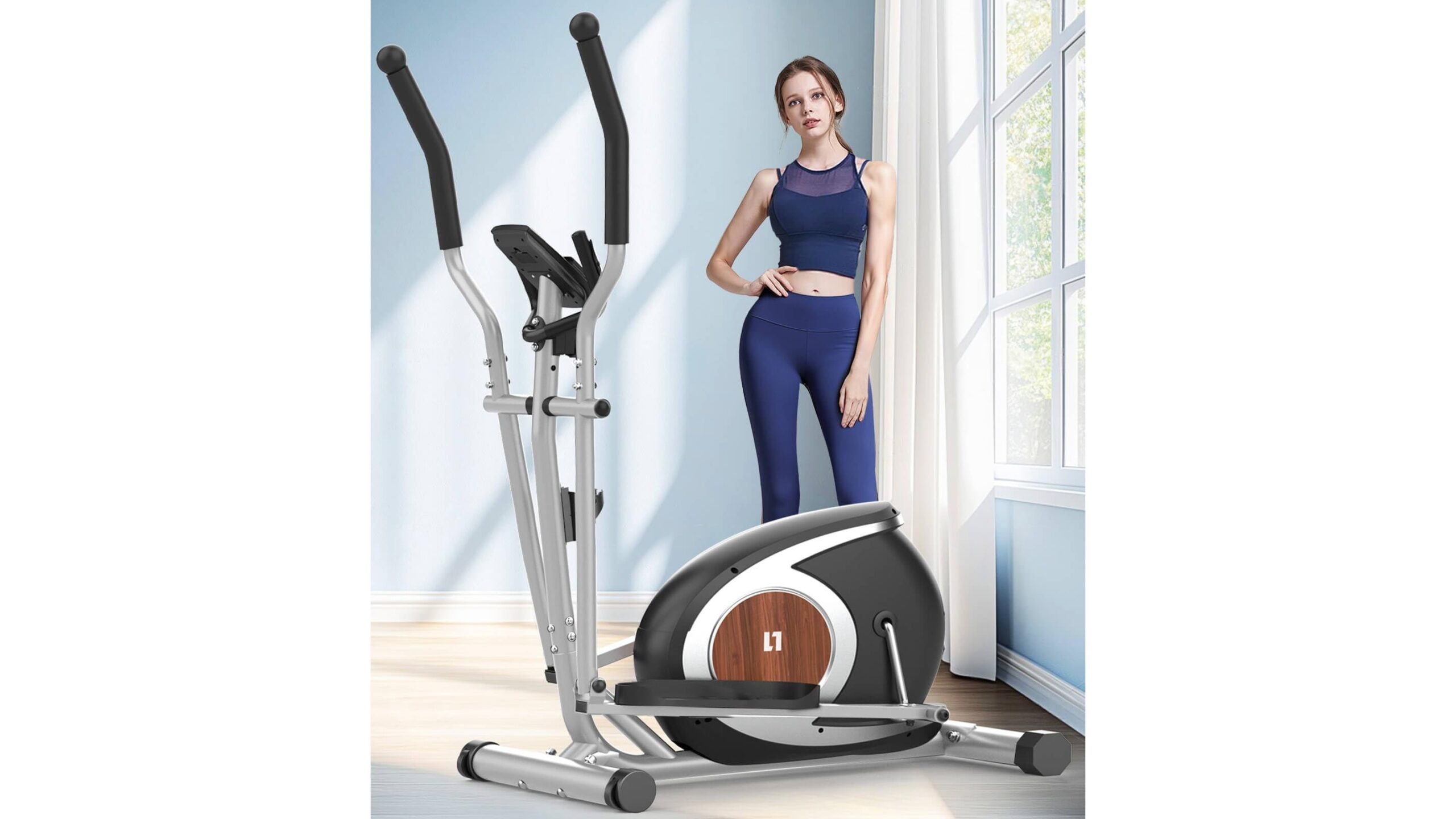
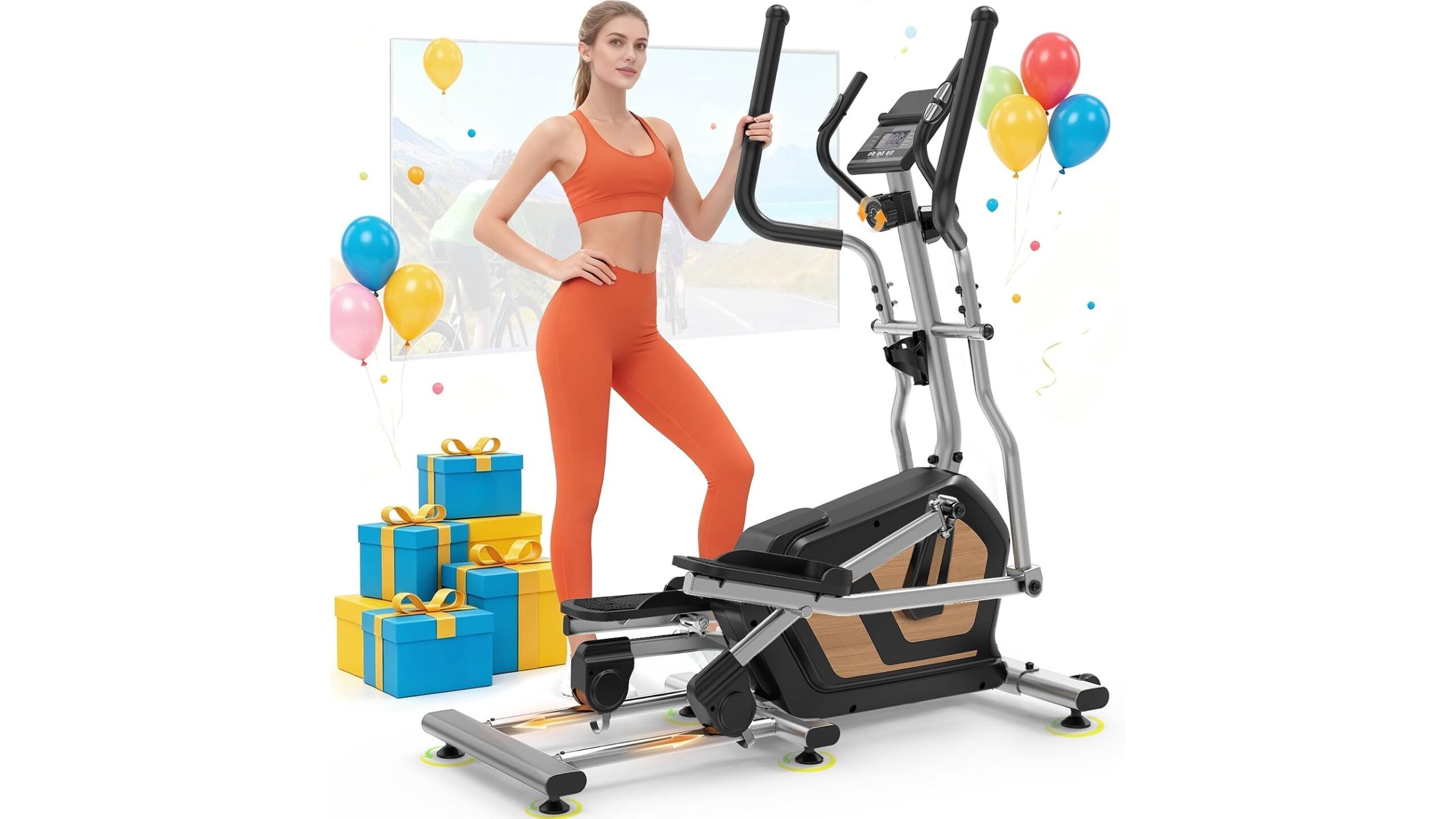
Stride length is the distance your feet travel through each cycle. If it is too short for you, the motion may feel like a quick shuffle; if too long, you may have to overreach or rock your hips. Try the machine at a slow pace and notice whether your knees track comfortably and your feet stay fully supported. A listing such as the Neezee Elliptical Cross Trainer specifies a 45 cm stride, but a stated measurement alone cannot guarantee a good fit: test the movement if possible and compare it with your natural walking or running range. Taller users, in particular, should check the manufacturer’s height guidance and the actual stride specification before buying.
Check pedal spacing and foot position
Pedal spacing, sometimes described as the distance between the pedals, affects how naturally your hips and knees line up. Stand on the pedals with feet pointing forward and knees soft. During a slow cycle, your knees should not feel pushed inward or forced far apart, and your feet should not slide toward the edges. Keep your whole foot supported rather than riding on your toes or heels. If the pedals are fixed too far apart or too close for your stance, changing resistance will not correct the underlying fit; consider another machine with more suitable geometry.
Set handlebars for relaxed posture
Use the moving handles with a light grip and relaxed shoulders. Your elbows should remain slightly bent, and your torso should stay upright rather than leaning heavily over the console. If the handles feel too high, low or far away, check whether the machine offers a grip position or adjustment that helps. Fixed handles can be useful when you want to focus on your legs or feel steadier while learning the motion. For example, the THERUN Cross Trainer offers both fixed and moving handlebars, though handle placement still needs to feel comfortable for your own proportions.
Use resistance to preserve a fluid rhythm
Resistance should make the workout challenging without making the pedals jerky or forcing you to strain. Begin at a low setting, build a steady cadence, then increase resistance gradually. If you cannot complete a smooth cycle, ease it back; if the pedals feel almost weightless, add a small amount. Avoid using a high setting to compensate for a poor stride fit. Smoothness can also depend on the machine’s condition: check that it is level, stable and assembled according to its instructions, and stop if you hear unusual noises or feel sudden sticking.
Make a quick fit check for each user
Different people may need different settings and may not share the same ideal machine. Before a session, use this short check:
- Mount safely: hold a stable handle and place each foot centrally on its pedal.
- Start gently: pedal slowly for a minute and check for comfortable knee and hip movement.
- Adjust effort: choose resistance that allows an even, controlled rhythm.
- Reassess: stop if you feel pain, numbness or repeated joint discomfort; seek professional advice where appropriate.
Record any settings that feel comfortable, but do not assume one user’s position suits everyone in the household.
Know when the machine is not the right fit
A minor change in pace, posture or resistance can often improve comfort, but it cannot change a machine’s fixed stride or pedal spacing. Persistent overreaching, cramped steps, unstable feet or discomfort despite careful setup may signal that a different model is more suitable. Check user-height limits, maximum user weight, stride length and return conditions before purchasing, and prioritise a stable, controlled motion over extra features.
A natural elliptical stride should feel smooth, supported and repeatable—not forced. Check stride length and pedal spacing first, keep your posture relaxed, and use only enough resistance to maintain an even rhythm. If the machine’s geometry continues to feel wrong after sensible adjustments, choosing a better-fitting model is the more practical solution.