Choosing between an elliptical cross trainer and a walking pad comes down to more than footprint. Both can bring convenient cardio into a home routine, but they create different movement patterns, training demands and everyday habits. Consider your goals, available space, preferred intensity and how often you will realistically use the machine before deciding.
Movement and muscles worked
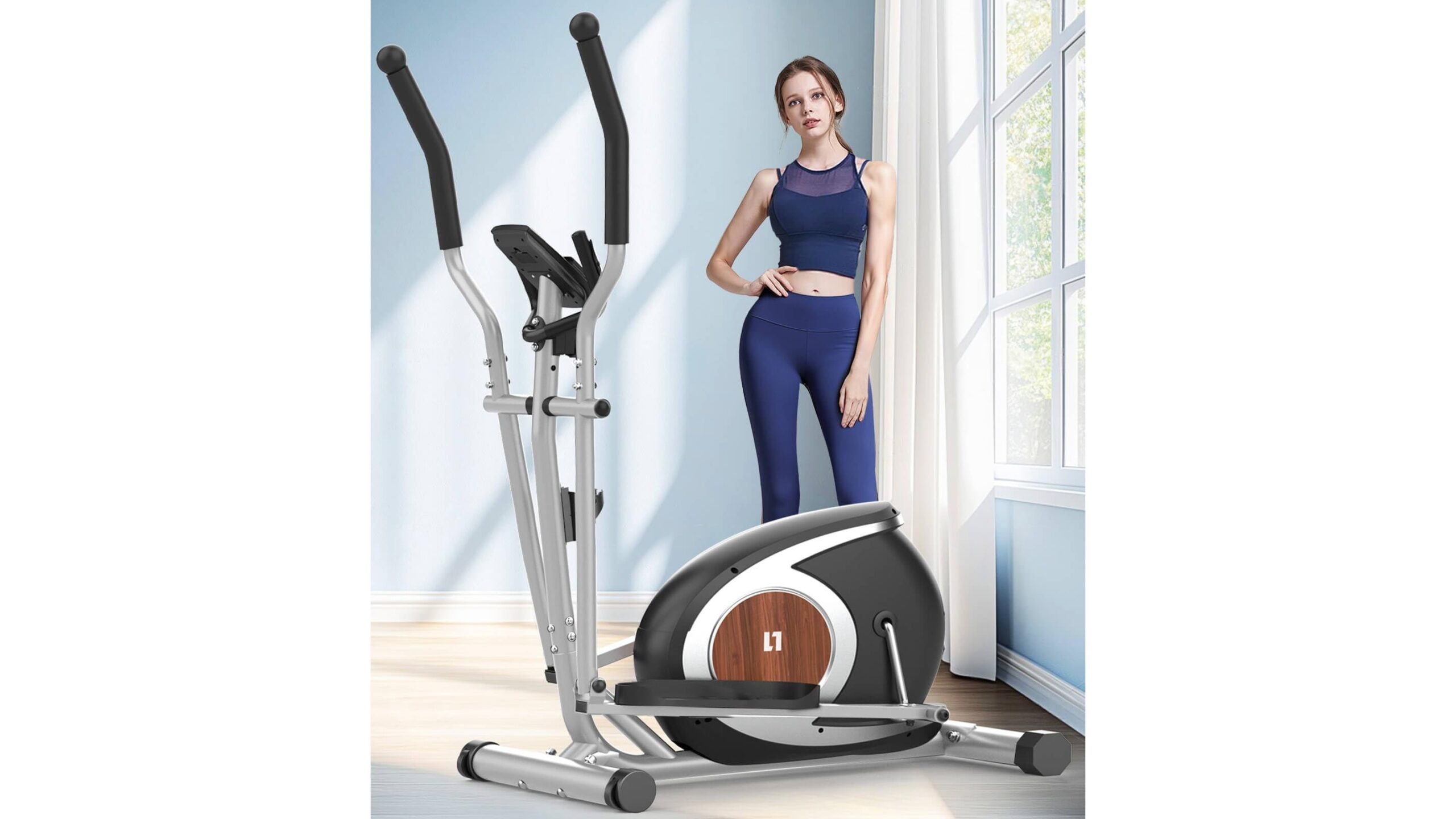
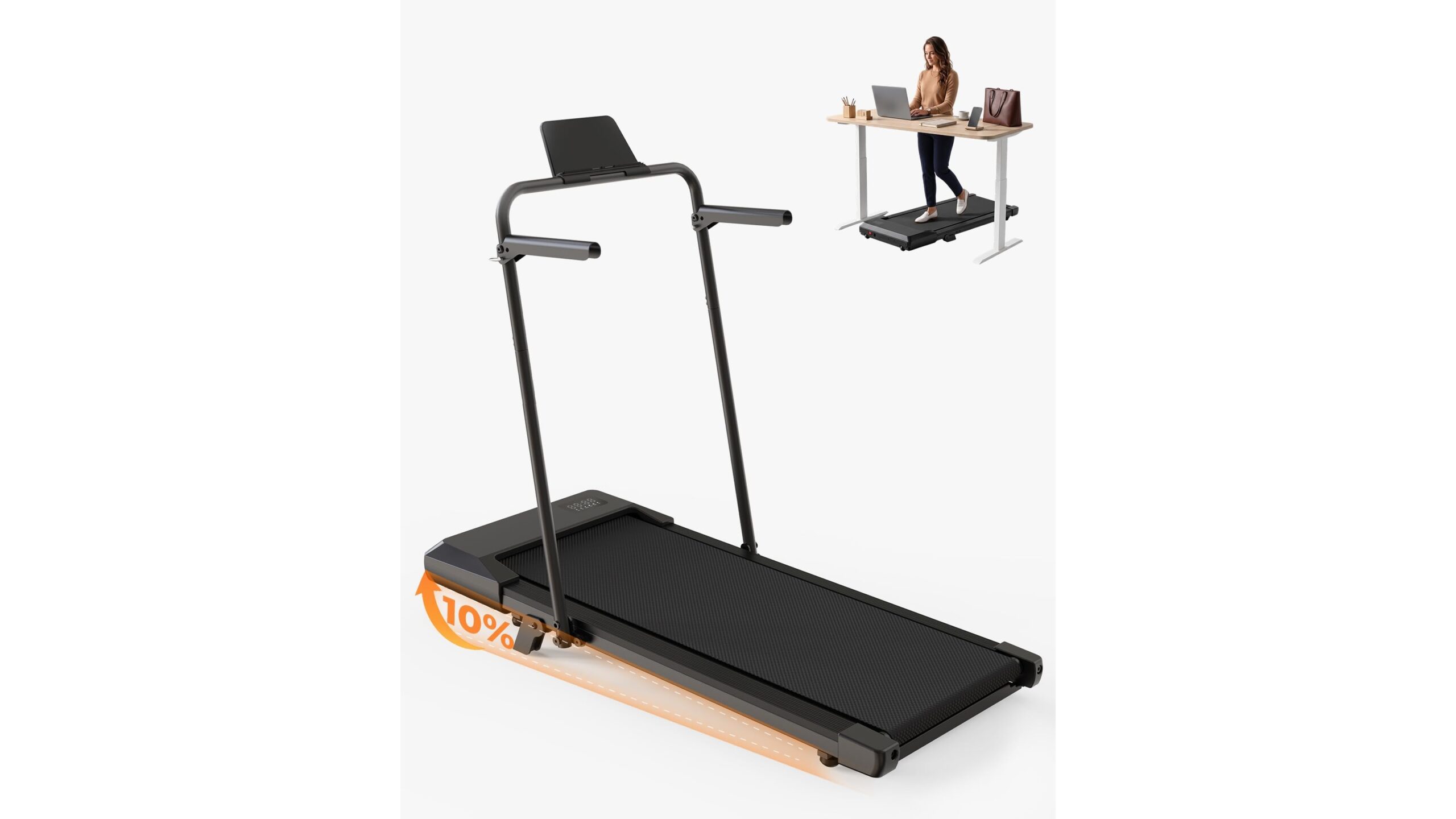
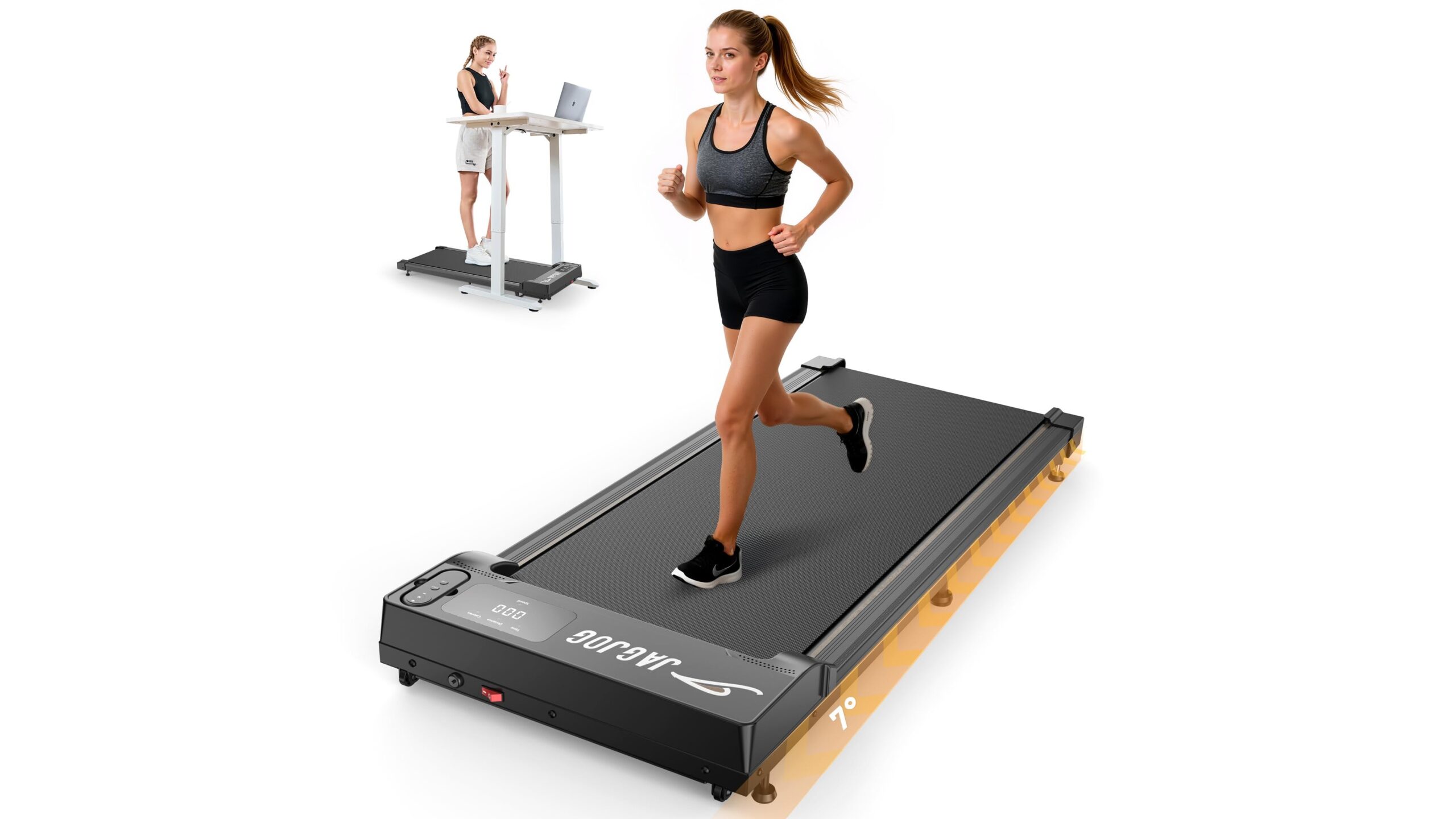
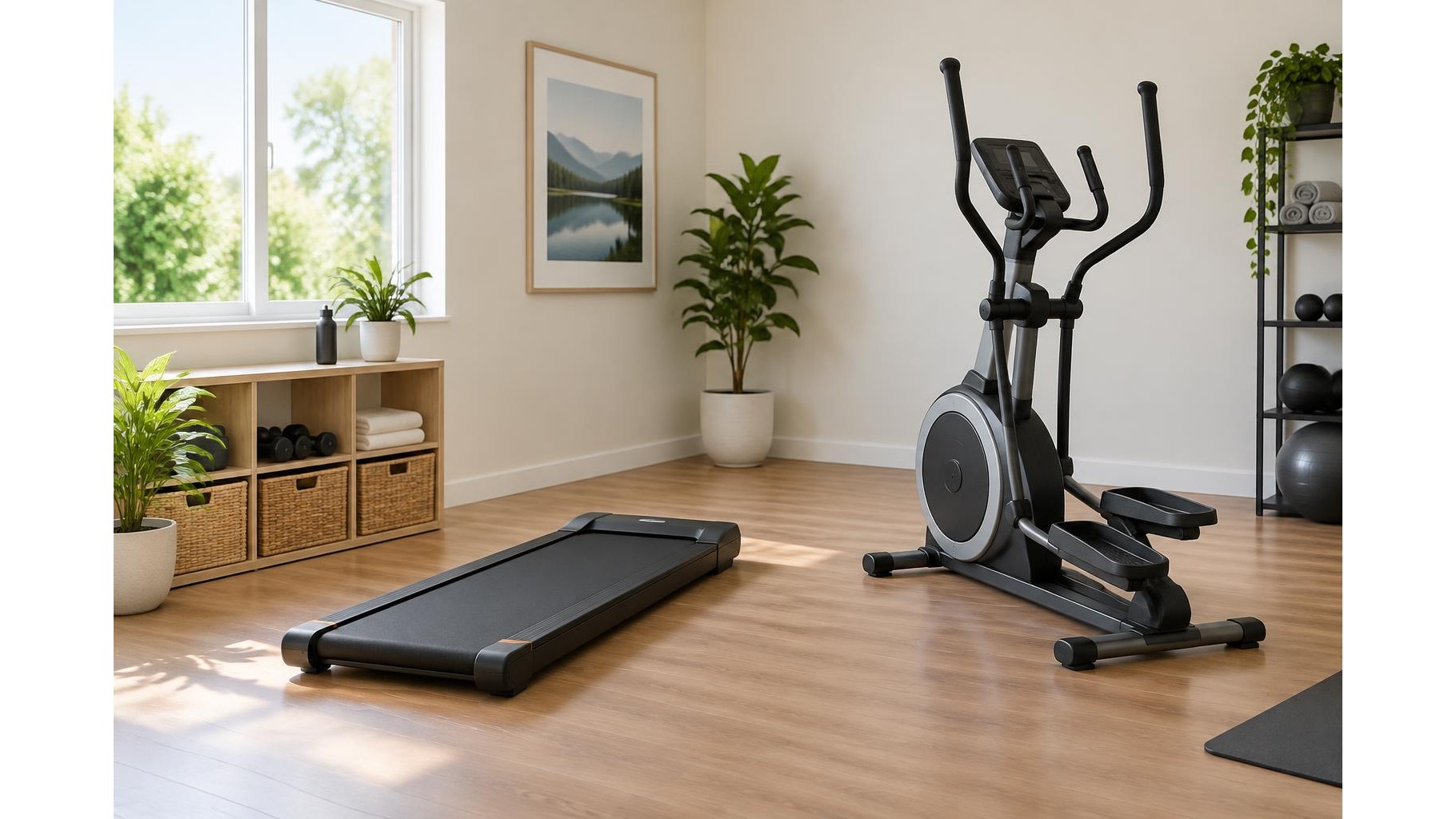
An elliptical uses linked pedals that travel in an oval path, usually with moving handles for the arms. The standing, continuous motion recruits the legs and, when you push and pull the handles, the upper body too. A walking pad is a compact treadmill with a belt for walking. It follows a familiar gait and primarily works the lower body. Some models include a handrail; others are designed for walking while working at a desk. Neither option replaces strength training, but each can make regular movement easier to fit into the day.
Space, storage and setup
Walking pads are often the more space-conscious choice, particularly foldable models that can be stored under a bed or sofa. Check the product’s dimensions, folded height and weight: compact does not always mean effortless to move. Ellipticals generally need more floor area and overhead clearance, and many are heavy enough to be awkward to relocate. Measure the intended exercise spot and the route through doorways before ordering. Allow room around the machine for safe mounting and dismounting, and follow the manufacturer’s clearance guidance.
Intensity and fitness goals
An elliptical is usually better suited to structured cardio sessions. Resistance levels and, on some machines, adjustable incline let you vary effort, while reverse pedalling can add variety. A walking pad typically supports steady walking, with speed controls offering a simple way to adjust pace; some models also provide incline. It can be useful for building a consistent walking habit or adding gentle activity during the day. For more vigorous workouts, compare the machine’s maximum speed, resistance or incline and weight limit rather than relying on the product category alone.
Joint comfort and accessibility
Both machines keep impact lower than running, but their feel differs. An elliptical keeps the feet on the pedals throughout each stride, which many people find comfortable, although the standing position and pedal path may not suit everyone. Walking is a natural, weight-bearing activity, but each step still involves impact. If joint comfort is a priority, try the movement if possible and start with short, easy sessions. Anyone managing pain, an injury or a health condition should seek appropriate professional advice before beginning a new exercise routine.
Everyday usability and noise
A walking pad can be especially convenient for short bouts between tasks, and an under-desk model may help break up prolonged sitting. However, walking while typing or concentrating takes adjustment, and motor and footfall noise may matter in shared spaces. An elliptical is more clearly a dedicated workout machine: it generally requires you to stand and focus, but offers a purposeful session without belt speed to manage. Check controls, display readability, assembly requirements, maintenance and warranty for either option. A machine that is easy to start and comfortable to use is more likely to earn a place in your routine.
Choose the machine you will use
For compact storage, familiar walking and convenient low-intensity movement, a walking pad may be the practical fit. For a more involved cardio workout with adjustable resistance and coordinated arm movement, consider an elliptical—provided you have the room. Compare measurements and features, then match them to your goals, comfort and schedule. The best choice is the one that fits your home and makes regular activity feel achievable.