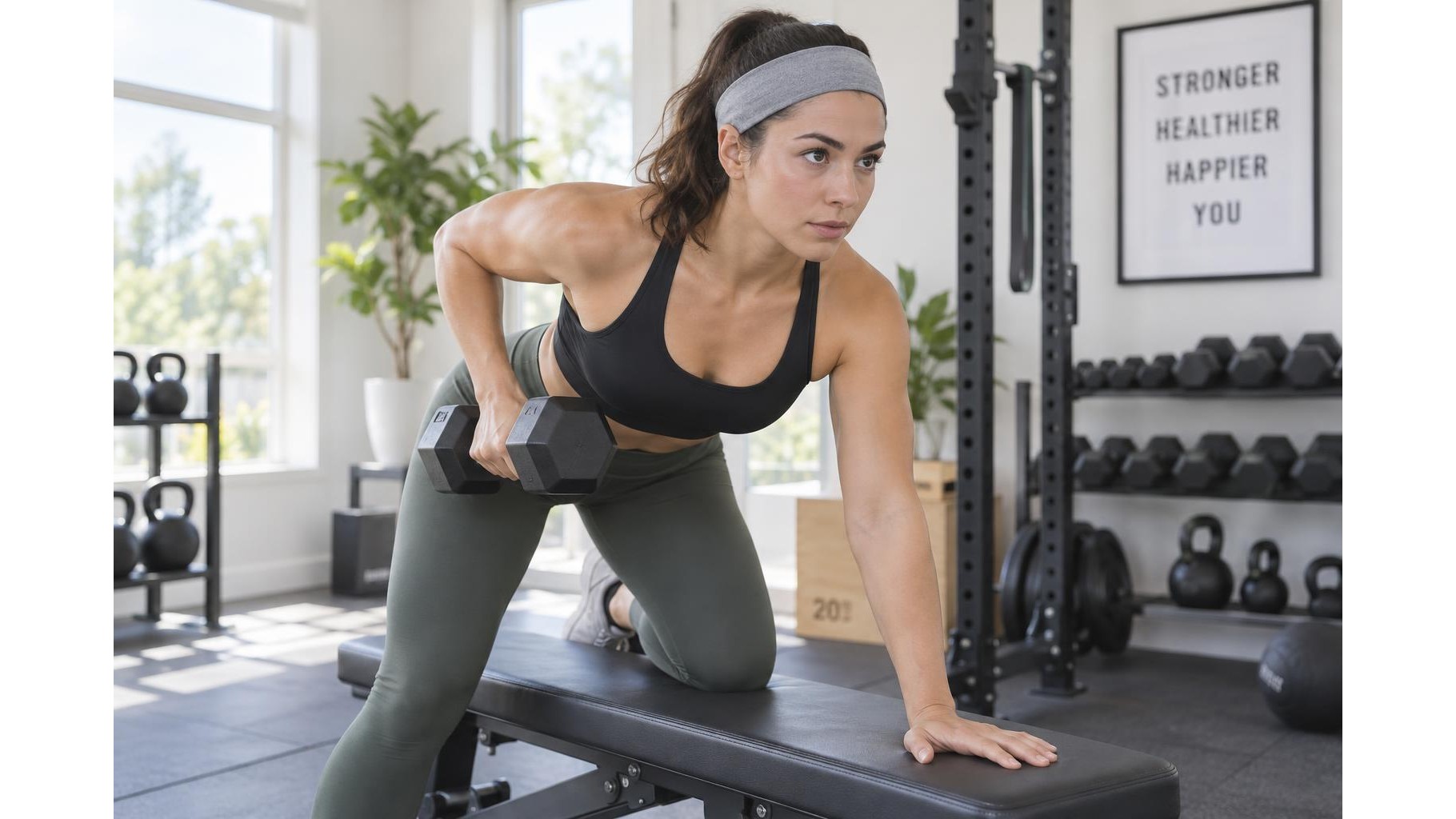
A good workout headband should keep hair and sweat away from your face without becoming something you notice every minute. In an indoor gym, warmth, repeated movement and changing effort can all affect fit. The right choice balances secure grip, comfortable pressure and breathable fabric, so it works for lifting, cardio and mobility rather than slipping or feeling tight.
Choose a width that suits your workout
Width affects both coverage and comfort. A narrow band can feel light and unobtrusive during strength sessions, but may not hold back shorter layers or absorb much sweat. A wider band offers more coverage and can help keep hair in place during dynamic movements; however, if it covers too much of the forehead, it may feel warm. Consider where you want the band to sit and whether you need hair control, sweat absorption, or both. For mixed training, a medium-width design is often a practical starting point. Check that it does not obstruct your ears or press uncomfortably at the temples.
Look for breathable, quick-drying fabric
Indoor sessions can become warm quickly, especially during intervals or busy circuits. Lightweight, moisture-wicking synthetics are often a sensible option because they move perspiration away from the skin and tend to dry faster than heavy cotton. Cotton can feel soft and absorbent, but a saturated band may become damp and heavy during longer workouts. Some designs combine fibres to balance softness with drying performance. Fabric labels can help, but comfort is personal: consider whether the material feels smooth against your forehead and whether seams or labels could rub. If you train in a warm room, prioritise airflow and a fabric that does not feel thick.
Check how the band stays in place
A supportive band should grip without relying on excessive tightness. Look for details such as a gently elasticated fit, a textured inner surface or discreet silicone grips. These can improve stability during jumping, running in place and repeated bending, but the band should still feel comfortable when you are at rest. Avoid assuming that a tighter fit is better: persistent pressure around the forehead can become distracting and may leave marks. If possible, test the band through head turns and a few forward bends. It should stay put without pulling hair, sliding over the ears or needing frequent adjustment.
Match the design to the session
Different workouts put different demands on a headband. During strength training, a low-profile style is less likely to interfere when you lie on a bench or move between equipment. For cardio, secure grip and sweat management matter more, particularly when intensity rises. During mobility work, a soft, flexible band can be more comfortable through floor exercises and long stretches. If your routine varies, choose a versatile design rather than one that is highly specialised. Consider hair length and texture, too: a band that works well for one person may shift on another, so fit and grip should take priority over appearance.
Care for the fabric and elastic
Regular washing helps remove sweat, skin oils and odour, but care instructions vary by material. Check the product label before washing; many fabric bands can be washed gently with similar colours and left to air-dry. High heat from a dryer or radiator may weaken elastic or affect grip details over time. Avoid leaving a damp band in a gym bag, where moisture can linger. Having a second band available can make it easier to let one dry fully between sessions. Replace a band if the elastic loosens, seams become rough or grip features stop working well.
Make comfort the deciding factor
Before choosing, weigh up width, fabric, grip and care as a complete package. A band that looks supportive but causes pressure or traps heat is unlikely to earn a regular place in your gym bag. Give priority to a comfortable fit that stays steady during your most demanding movements, then consider colour and style. A little trial and error may be needed, especially if you switch between strength, cardio and mobility sessions.
In short, the best indoor-training headband combines breathable fabric, a suitable width and dependable grip without squeezing. Check how it feels during movement, follow its washing instructions and replace it when it loses its stretch. Comfort and stability—not maximum tightness—are the qualities that make a headband useful across your routine.