Introduction
A landmine attachment turns a barbell into a versatile lever for pressing, rowing and rotational work, often with a smaller footprint than a cable station. The right compact model should fit your bar and rack or floor setup, move smoothly under load, and suit the space where you train. Before buying, compare the sleeve, mounting method, floor protection and storage requirements—not just the price or appearance.
Match the sleeve to your barbell
Check the attachment’s stated sleeve diameter against the end of your barbell. Many standard Olympic bars have sleeves around 50 mm, but verify your own equipment and the manufacturer’s specifications rather than assuming compatibility. A loose fit can wobble, while an overly tight sleeve may be difficult to install or remove. Also check whether the sleeve is designed for a bare bar end or needs a separate insert. If you plan to switch bars, look for a clearly specified fit and a secure retention method. Smooth rotation matters too: the pivot should move without catching, grinding or excessive side-to-side play.
Choose a stable mounting option
Compact landmines generally anchor to a rack, a dedicated base or a protected floor corner. A rack-mounted unit can save floor space, but check its attachment style, hole size and compatibility with your rack’s upright. A freestanding base is more flexible, though it needs room and enough weight or a suitable way to prevent movement. Floor or corner designs are simple, but the bar’s movement can shift an unsecured fitting. Whichever type you choose, follow the maker’s installation instructions and test the connection gently before loading the bar.
Protect floors and control the bar
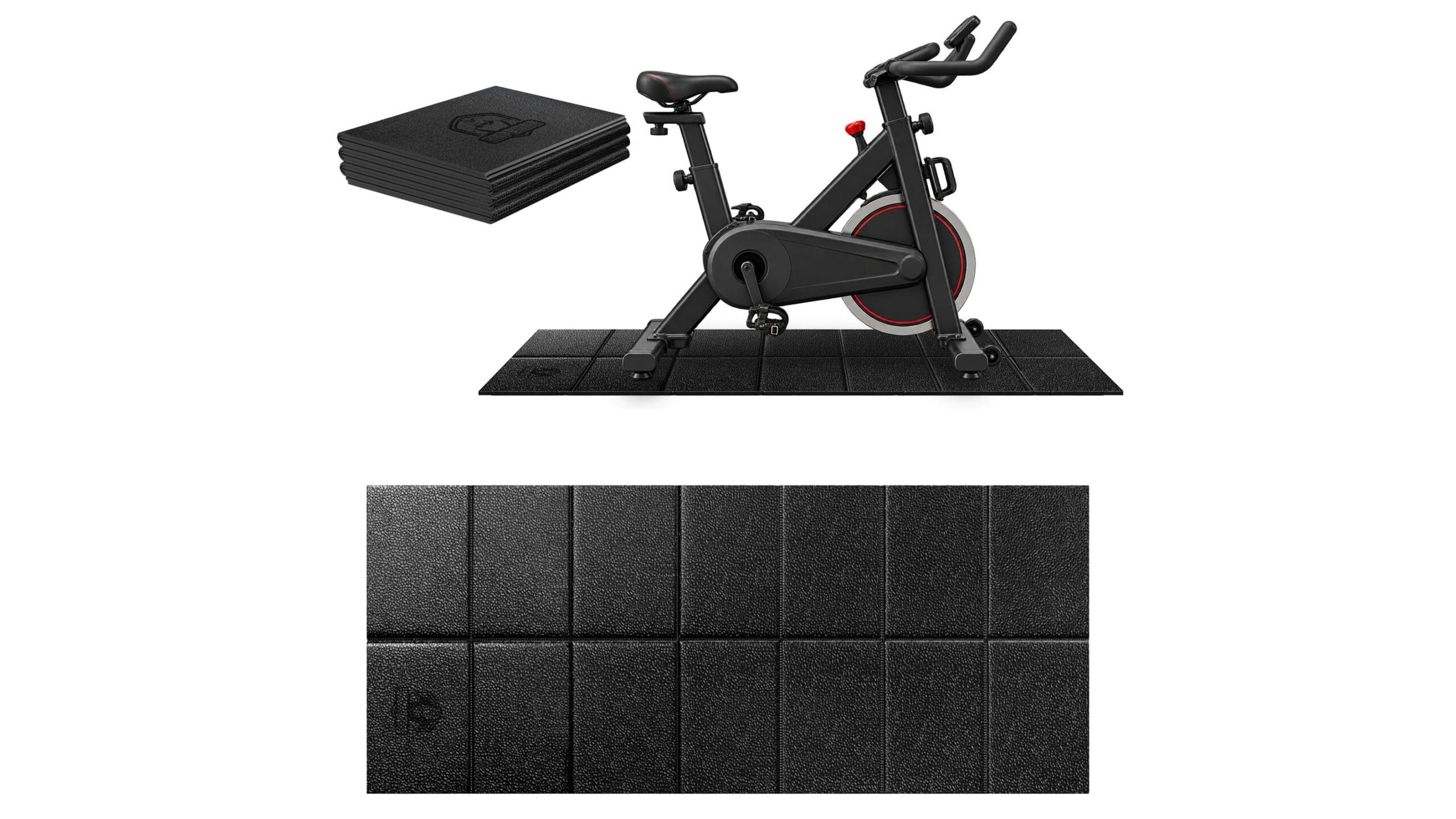
Consider what contacts the floor: the attachment base, the bar sleeve, or both. Rubber padding can help reduce scratching and noise, but it does not make every floor suitable for heavy equipment. Place the unit on a level, non-slip surface and use an appropriate protective mat if needed. Keep the bar’s loading end clear of walls, windows and furniture throughout its full arc. Do not rely on a loose towel or unstable improvised wedge to hold the pivot in place. Inspect bolts, welds and moving parts regularly, and stop using the attachment if anything loosens or becomes damaged.
Pick exercises that fit your space
Landmine presses, one-arm rows, squats and Romanian deadlifts use the angled bar path for straightforward strength work. For rotational strength, try controlled landmine rotations or a diagonal press, beginning with a light load and a short range of motion. Keep your feet planted or deliberately pivot them, and turn through the hips and torso rather than wrenching the lower back. Make sure you have enough clearance for the full movement, including the bar’s loaded end. Avoid fast, uncontrolled twisting, especially when learning the pattern, and use a spotter when a lift or setup makes the bar difficult to manage.
Plan storage and setup
A compact attachment is useful only if it is easy to access and put away. Check its dimensions, weight and whether it can remain on the rack or must be removed after training. A removable unit may store in a rack accessory, on a wall hook rated for the load, or in a stable cupboard; keep it away from walkways and children. Before each session, confirm the base or rack connection, sleeve fit and available training space. Load plates evenly, secure them with collars where appropriate, and never exceed the attachment’s stated capacity.
Summary
For a small home gym, prioritize bar compatibility, a secure mounting system, smooth rotation and dependable floor protection. Then check storage dimensions and choose exercises that fit your room and current skill level. A careful fit check and conservative first session make this versatile tool a more practical addition to home strength training.