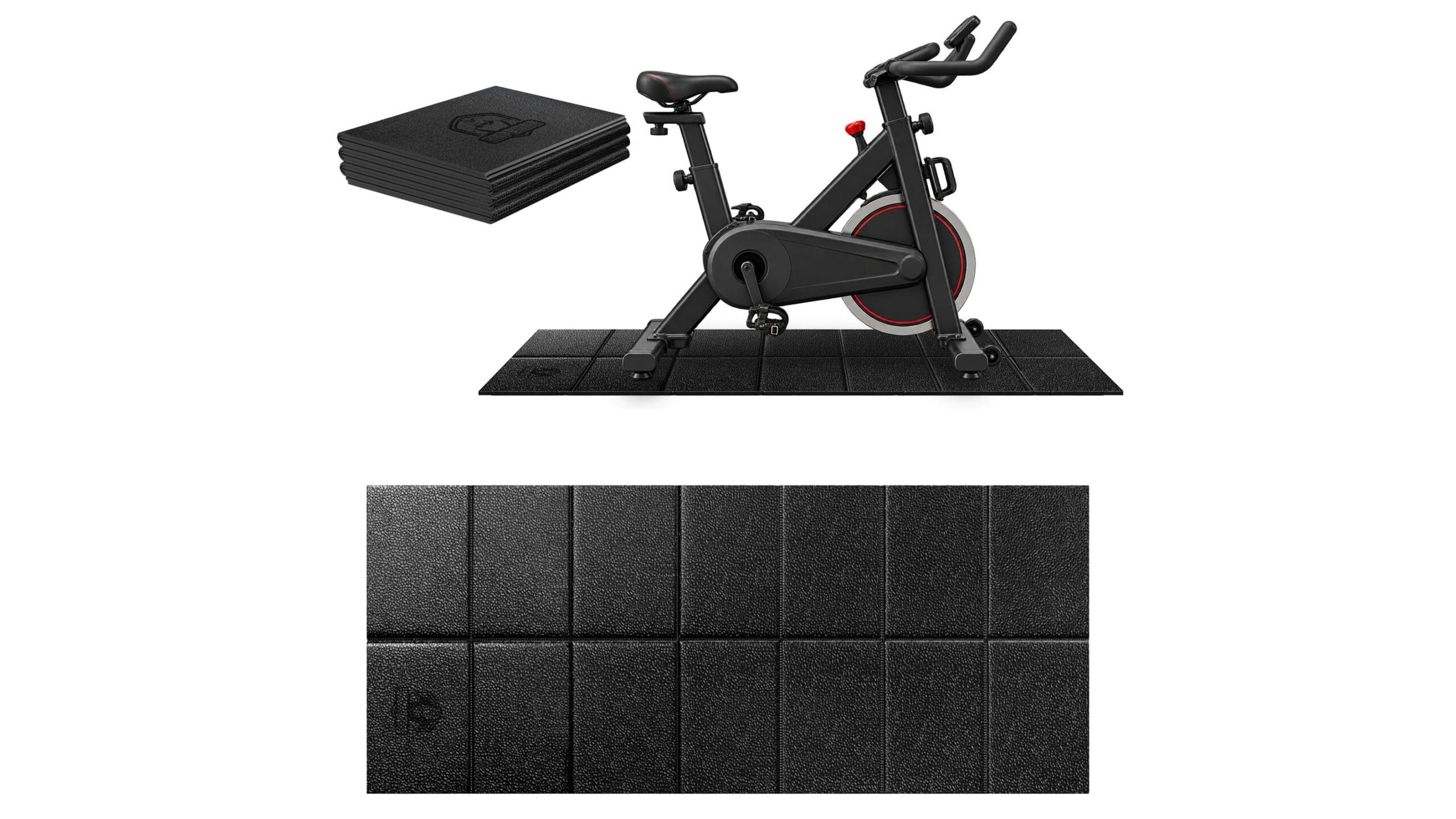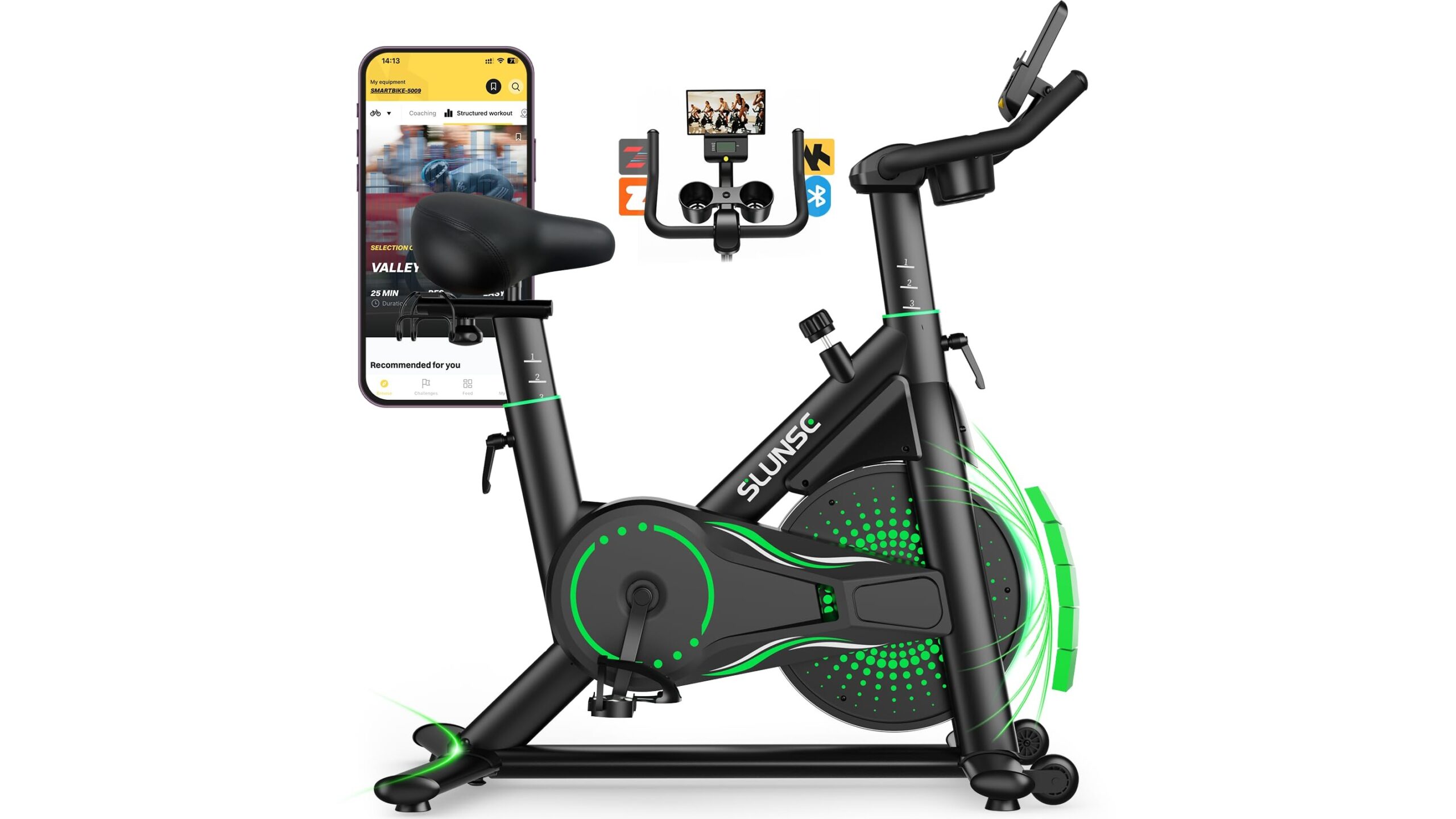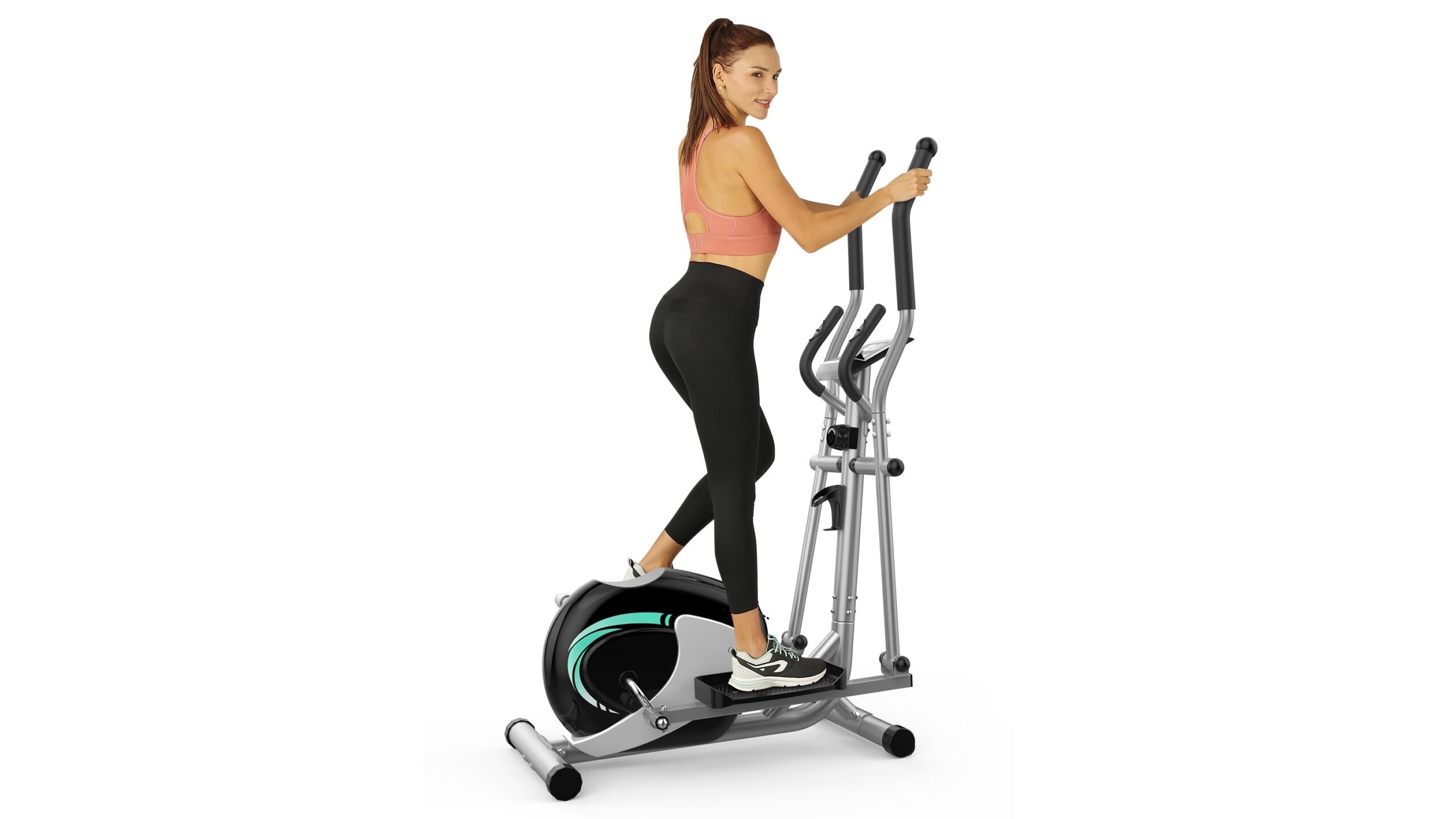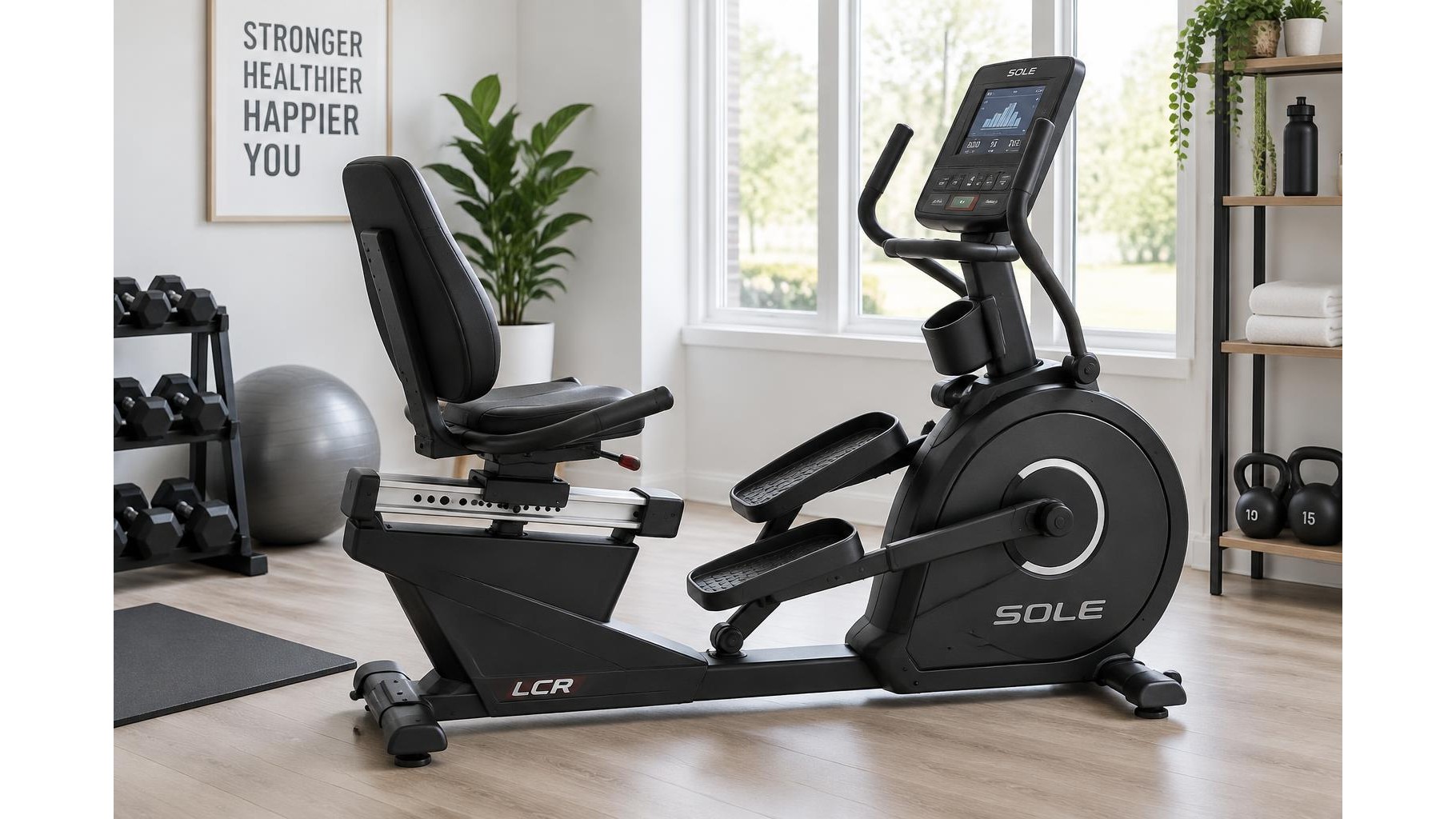
A compact recumbent elliptical can make regular cardio more accessible when you want seated support, a gentler-feeling workout or equipment that fits a home gym. Before choosing one, compare more than its advertised footprint: seat fit, pedal path, resistance, frame stability and console usability all affect comfort and how likely you are to keep exercising. The right measurements depend on your body, available space and training goals.
Check seat adjustment and fit
A well-fitting seat lets you pedal without reaching for the pedals or crowding your knees. Look for a clearly stated adjustment range and a seat that moves smoothly and locks securely. With your foot at the far end of the pedal stroke, your knee should remain slightly bent; at the near end, your hips should stay level rather than rocking. Check the maximum user weight, backrest support and seat width, too. If more than one person will use the machine, a broad adjustment range makes sharing easier. Measure your inseam and compare it with the manufacturer’s fit guidance, where available, rather than relying on a one-size-fits-all claim.
Understand stride and pedal movement
Stride length describes how far the pedals travel through each cycle, but specifications and measurement methods can differ between models. A short pedal path may help keep a machine compact, yet it may feel cramped for a taller user or less natural during longer sessions. If possible, try the motion in person; otherwise, look for user-height guidance and detailed product dimensions. Also check pedal spacing and surface size. Your feet should sit securely without hanging over the edges, and your knees should track comfortably without being forced unusually close together. Smooth, continuous movement matters more than an impressive-sounding stride figure alone.
Compare resistance and workout control
Resistance determines how much effort pedalling requires. Many home machines use magnetic resistance, adjusted manually or through the console; the number of levels can indicate flexibility, but does not by itself tell you how challenging or smooth those levels feel. Consider whether you want easy recovery sessions, progressive fitness training or simply steady movement while seated. Check how resistance is changed, whether the controls are reachable during exercise, and whether the machine offers useful programmes. A simple system can be perfectly adequate if it provides a comfortable range and predictable changes. Prioritise smooth, controllable resistance over headline level counts.
Assess stability, footprint and storage
Compact equipment still needs a secure base. Compare the machine’s assembled length, width and height with your intended workout area, leaving room to get on and off and to move the seat. Check its weight, frame construction, stabilisers and stated user-weight limit. A heavier frame may feel more planted, while transport wheels can make repositioning easier; neither feature replaces a stable setup on a level floor. Look for clear information about assembly and whether the unit can be moved or stored upright. Measure doorways and the route to its final position before delivery, not just the space where you plan to exercise.
Choose a console you will actually use
A console is useful when its information is readable and relevant. Common displays include time, speed, distance, estimated calories and pulse, although sensor availability and accuracy vary. If you want heart-rate feedback, check whether the machine has hand-grip sensors or supports a compatible monitor. Consider screen size, button clarity and whether controls are easy to reach from the seat. A phone or tablet holder may help with entertainment, but should not obstruct the display. Bluetooth, app support and built-in programmes are worthwhile only if you expect to use them; simple, dependable feedback may suit everyday home cardio better.
Make the comparison work for your home
Before buying, compare seat range, stride and pedal dimensions, resistance operation, assembled footprint, stability and console functions side by side. Match those details to your body and available room, and verify warranty, return terms and assembly requirements. The best compact recumbent elliptical is not necessarily the one with the most features: it is the one that fits comfortably, feels secure and makes low-impact cardio easy to repeat at home.