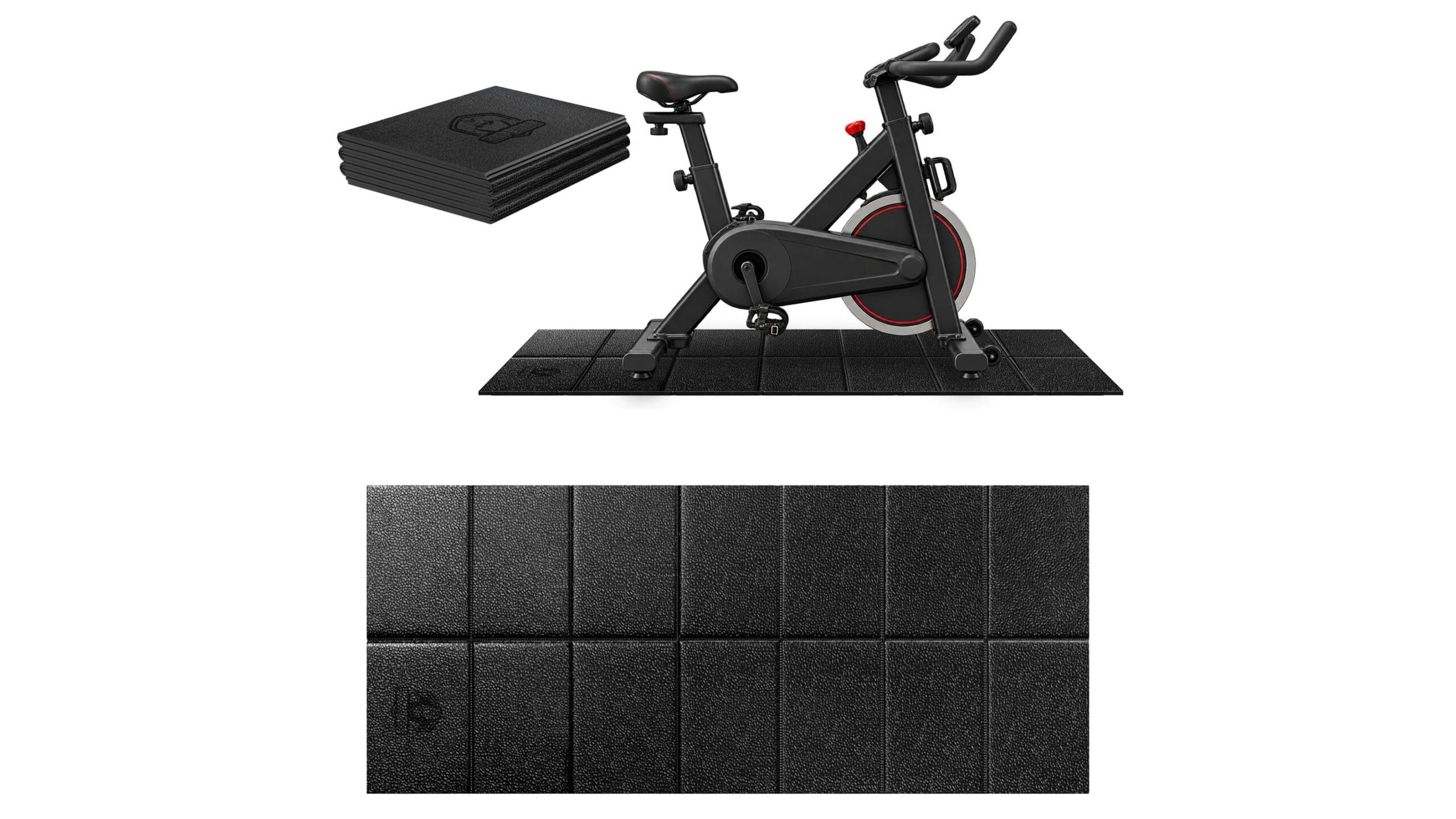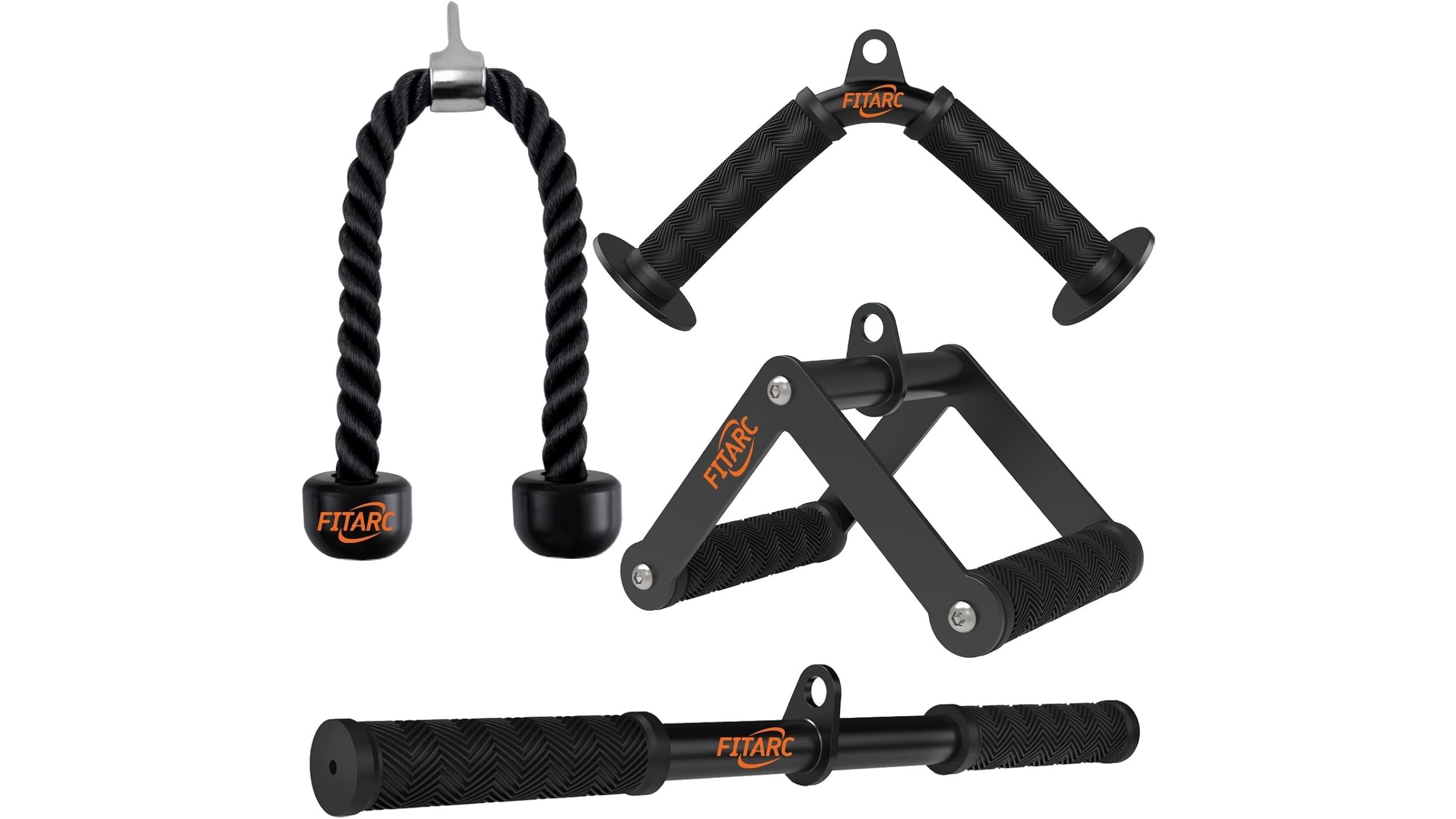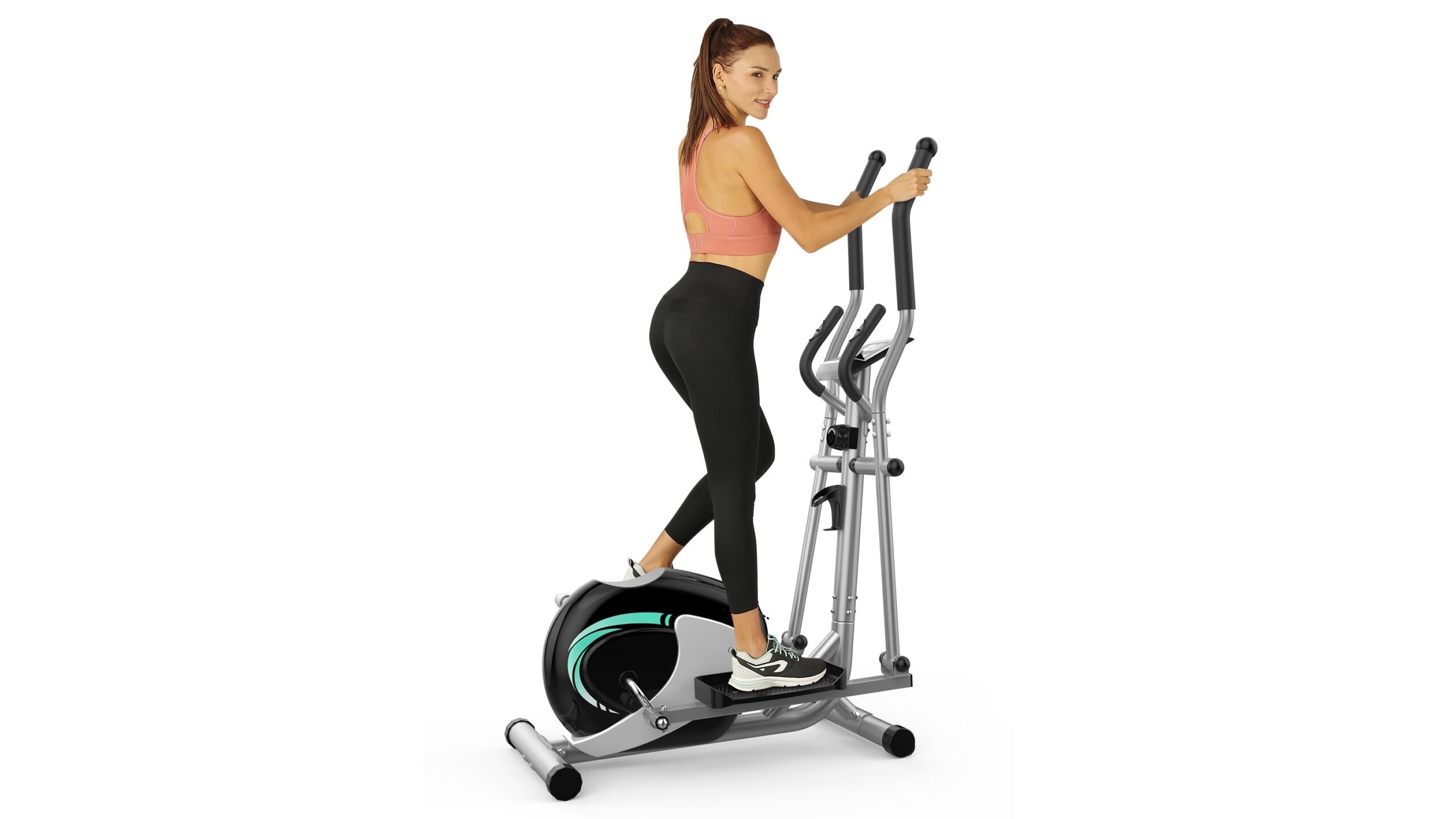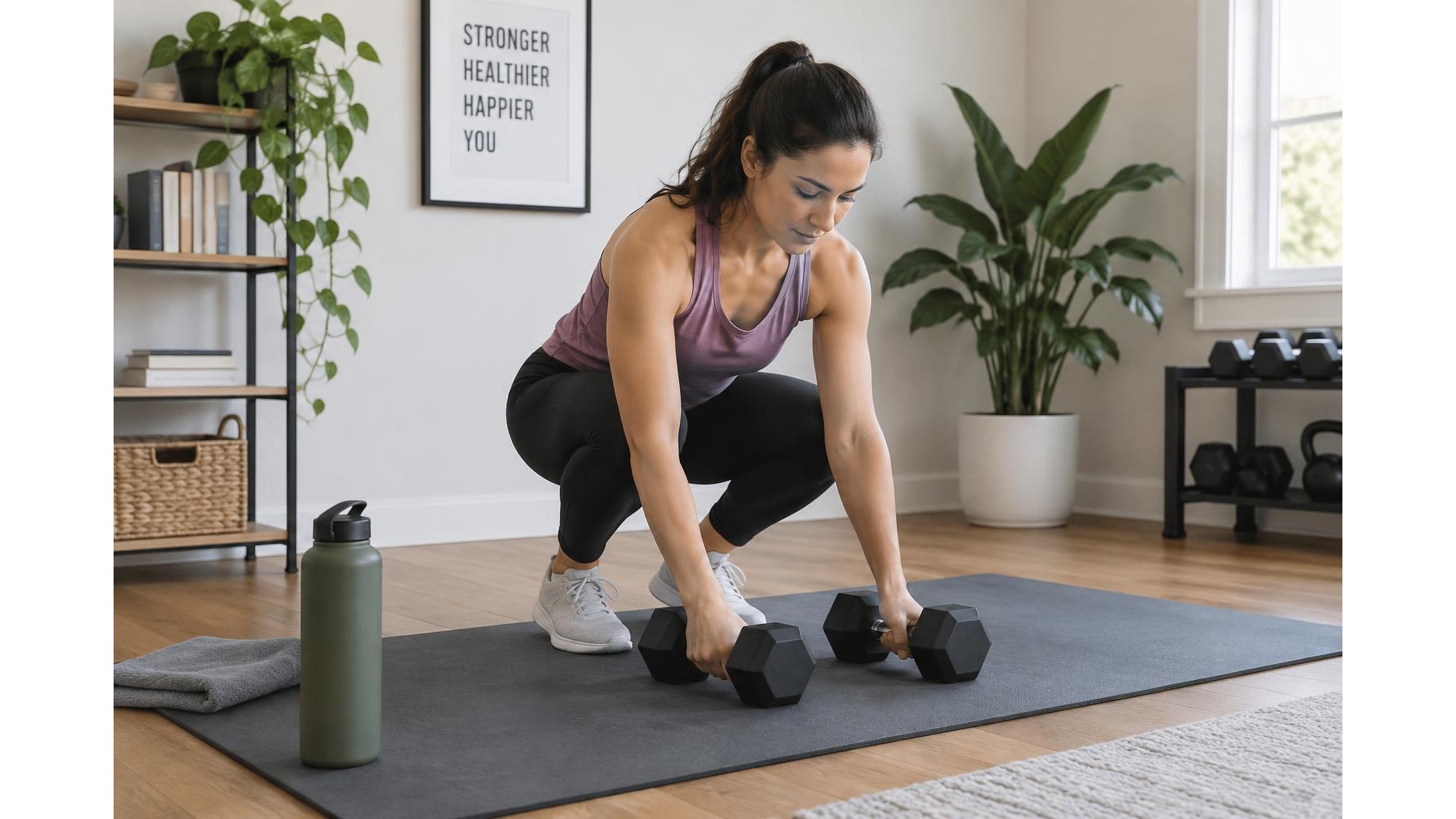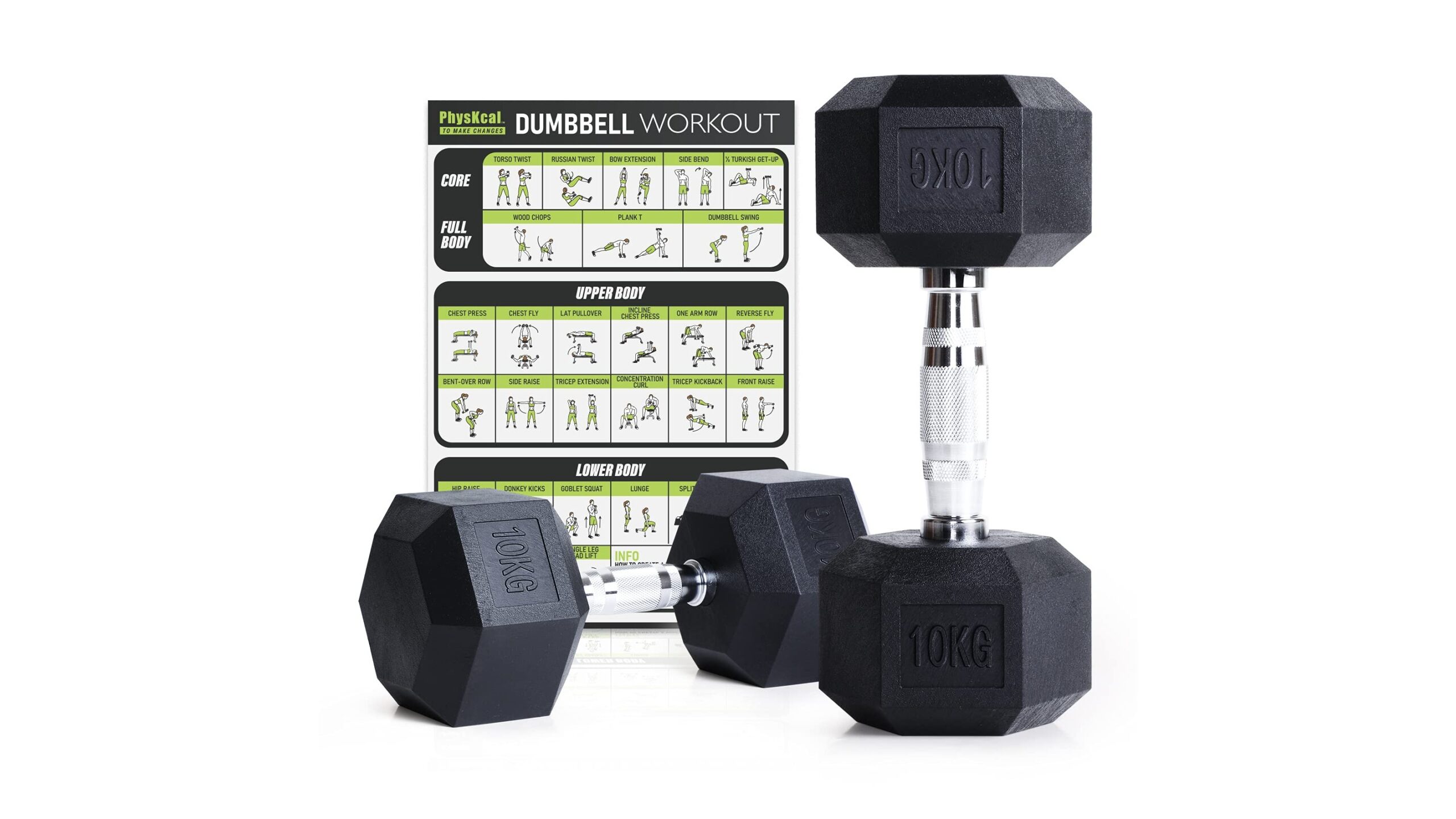
A compact cable crossover can add a wide range of pulling, pressing and isolation exercises to a home gym, but “compact” does not always mean easy to fit or install. Compare the machine’s full working footprint, pulley travel, resistance system and mounting requirements—not just its headline dimensions. The right choice should suit your room, training goals and ability to anchor the equipment safely.
[iol_placeholder type=”cta” id=”telegram”/]
Measure the footprint and training space
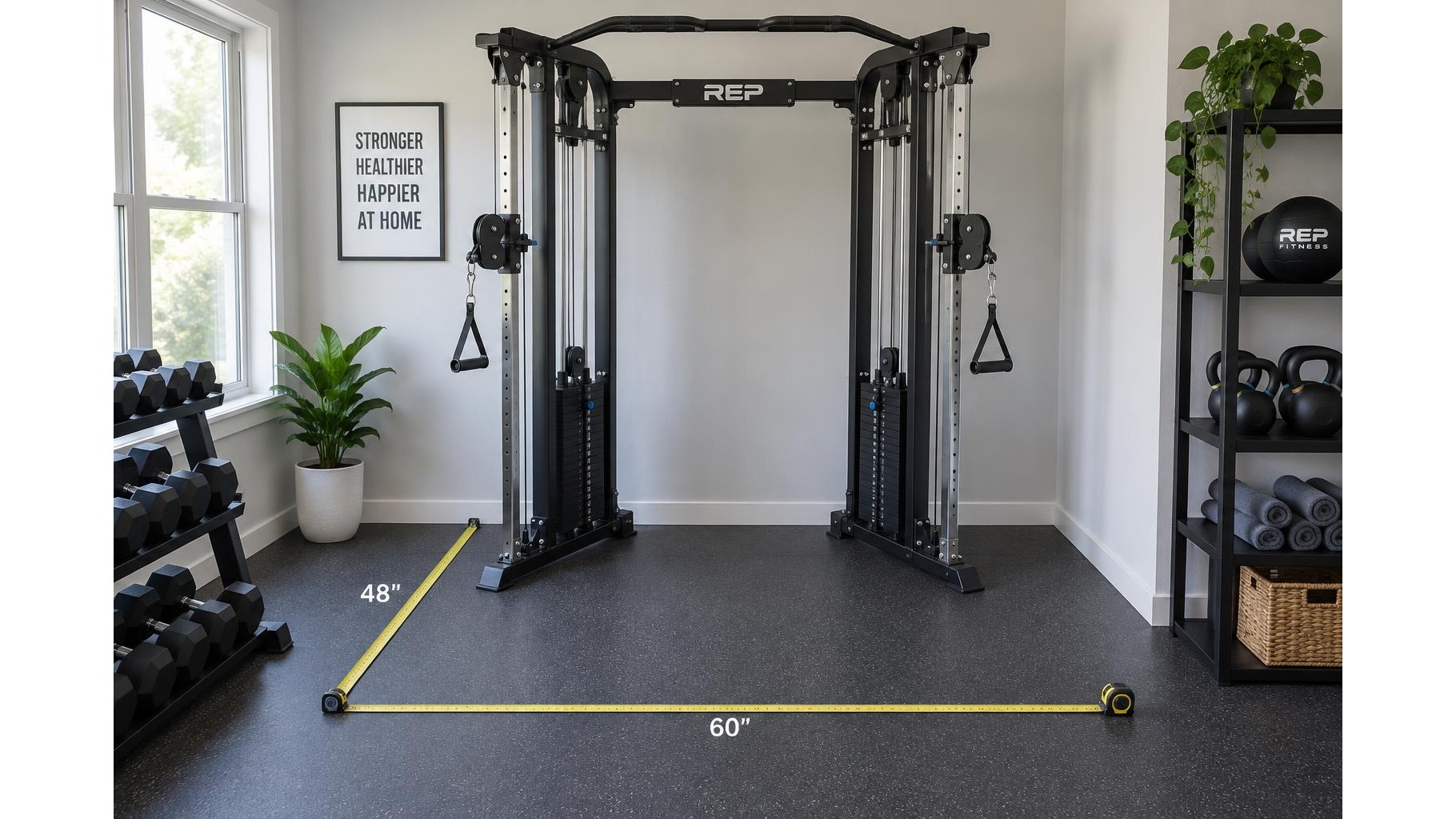
Start by measuring the available floor area, then compare it with the manufacturer’s assembled dimensions. Include the space needed to stand between the pulleys, take a step back for cable flyes and move around the machine to change handles. A wall-mounted system may occupy less floor space than a freestanding frame, but its pulleys and arms still need room to move. Check whether the stated width includes brackets, weight horns or storage pegs, and allow clearance for doors, windows and other equipment. Mark the proposed footprint on the floor with tape before ordering; this simple test can reveal awkward access or insufficient exercise space.
Check pulley range and adjustment
Look at how far each pulley travels and how many height positions are available. A broad vertical range supports exercises from low cable curls and lateral raises to high pulldowns and triceps pushdowns. Independent pulleys make it easier to train both sides at once or perform single-arm movements, while adjustable arms can offer more angles in a smaller area. Confirm that the cable remains smooth throughout its travel and that the handles do not collide with the frame. If possible, check the pulley ratio: a 2:1 ratio makes the load at the handle feel lighter than the selected stack, while a 1:1 ratio generally delivers the selected resistance more directly.
Compare resistance and weight capacity
Machines may use integrated weight stacks, plate-loaded pegs or resistance bands. Stacks are convenient to adjust, but add cost and may increase the machine’s depth or total weight. Plate-loaded designs can be more compact and expandable, though you must supply compatible plates and change them manually. Check both the maximum load and the capacity of individual cables, pulleys, carabiners and attachments; the lowest-rated component sets the practical limit. Also distinguish the listed stack weight from the resistance felt at the handle, especially on systems with a pulley ratio. Choose a capacity that fits your current training and leaves reasonable room to progress.
Plan installation, ceiling height and anchoring
Before buying, check whether the machine is freestanding, wall-mounted or designed to attach to a rack. For wall-mounted equipment, identify the wall construction and confirm that the supplied fixings are suitable; plasterboard alone is not a safe anchor for heavy, dynamic loading. Masonry, timber studs and concrete require different fixings, and a qualified installer can help assess an uncertain wall. Follow the manufacturer’s instructions and do not improvise mounting points. Measure ceiling height against the complete assembled machine, including pull-up bars or high pulley components, and leave space to install and use it. Check delivery access too: a frame may fit the room but not the stairs or doorway.
Evaluate exercise versatility and everyday usability
Make a shortlist of the movements you actually plan to perform: chest flyes, rows, cable presses, face pulls, curls, extensions or leg work with an ankle strap. Then check which handles are included, whether attachments use standard carabiners and whether the cables can be replaced. A compact crossover with independent adjustable pulleys can cover many movements, but it may not replace a dedicated lat pulldown or low row if those are priorities. Read the manual and user feedback for details about cable smoothness, noise, adjustment speed and maintenance. Consider how easily you can reach the weight pins or load plates during a workout, and whether the frame can be kept clear of stored items.
In short, choose a cable crossover by balancing usable footprint, pulley travel, resistance, installation demands and the exercises you want to train. Measure the room and ceiling, verify the wall or floor anchoring plan, and check the ratings of every load-bearing component before purchase. A carefully fitted system that can be installed securely is a better home-gym investment than a feature-packed machine that does not suit the space.