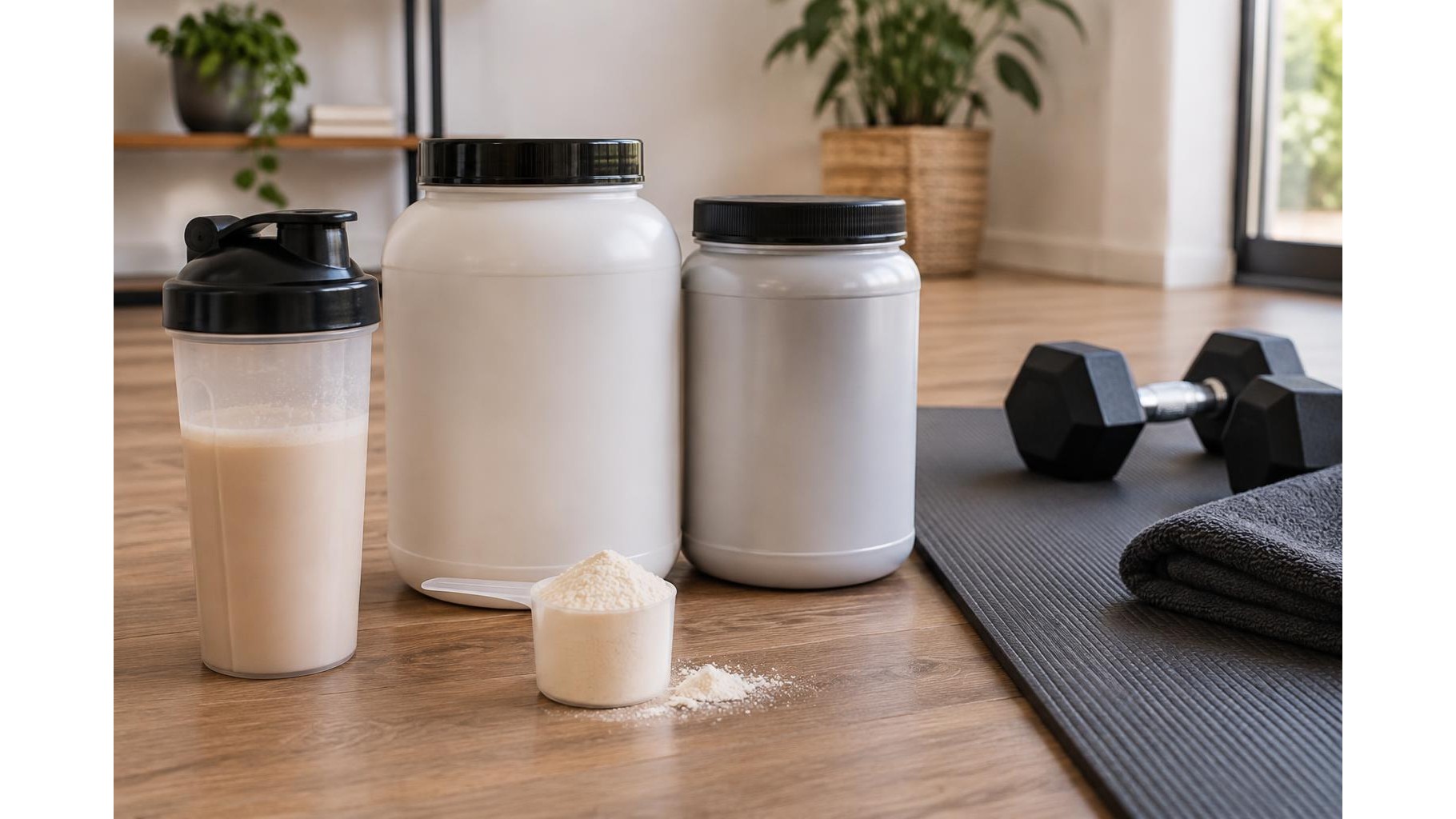
Choosing a protein powder for home training does not require chasing the most advanced-sounding formula. Whey isolate and hydrolyzed whey are both dairy-derived options, but they differ in processing, typical price and, for some people, how comfortably they digest. The right choice depends on your dietary needs, tolerance, budget and the rest of your diet—not simply on which label promises faster absorption.
What whey isolate means
Whey isolate is filtered to remove more of the lactose, fat and other non-protein components than standard whey concentrate. As a result, it commonly provides a higher proportion of protein by weight, though the exact amount varies by flavour and brand. Check the nutrition panel for protein per serving and serving size rather than relying on the word “isolate” alone. It may suit people seeking a leaner powder or who prefer to limit lactose, but it is still a milk product and is not appropriate for someone with a milk-protein allergy.
How hydrolyzed whey differs
Hydrolyzed whey has been treated with enzymes or other processing to break some proteins into smaller peptides. Hydrolysis describes a processing step; it does not automatically mean a product has more protein, fewer calories or better results. Some products use hydrolyzed whey alongside isolate or concentrate, so read the ingredient list to see what the powder actually contains. Hydrolysis may change taste and texture, and it can contribute to a higher price.
Digestion and tolerance
Smaller peptides are sometimes promoted as easier or faster to digest, but that does not make hydrolyzed whey necessary for most home exercisers. Individual comfort varies, and symptoms after a shake can depend on serving size, lactose, sweeteners, flavourings or other ingredients. Isolate often contains less lactose than concentrate, but amounts differ between products. If you are sensitive, compare the label, try a modest serving and assess your response. For persistent symptoms or a diagnosed allergy, consult a qualified health professional rather than assuming a different whey type will solve the issue.
Compare labels, not marketing claims
Use the nutrition information and ingredients list to compare products on an equal basis. Check protein per 100 g as well as per serving, since scoop sizes vary. Look at calories, carbohydrates, sugars, fat, allergen statements and the number of servings in the tub. Note whether hydrolyzed whey is the main protein source or only one component in a blend. Consider independent quality testing where available, especially if you compete in sport. Claims such as “instant,” “premium” or “rapid recovery” are not substitutes for clear, verifiable product information.
Cost and usefulness for home training
Hydrolyzed powders often cost more because of additional processing, while isolate can also carry a premium over concentrate. Compare the cost per gram of protein, not only the tub price. For ordinary strength training at home, total daily protein intake, a suitable training plan and consistency matter more than choosing a hydrolyzed formula. A powder is a convenient food option, not a requirement: meals containing dairy, eggs, legumes, fish, meat or soy can also contribute protein. Choose a flavour and format you will actually use.
A practical choice for your routine
For many people who want a higher-protein, lower-lactose whey option, isolate is a straightforward starting point. Hydrolyzed whey may be worth considering if you have a specific reason to try it, tolerate it well and are comfortable paying more, but its processing alone does not guarantee a meaningful training advantage. Compare labels, test your personal tolerance and make the decision within the context of your overall diet.