The right socks can make home training more comfortable and controlled. A pair that slips inside your shoes, bunches underfoot or traps heat can distract you during a set just as easily as unsuitable equipment. When choosing technical workout socks, consider your floor, footwear and training style alongside the usual questions of size and comfort. Height, cushioning, fit and fabric each affect how a sock performs during strength sessions, indoor cycling and mobility work.
Choose a height that suits your workout
No-show and low-cut socks work well for indoor cycling shoes and other close-fitting footwear, as long as the heel stays in place and the shoe collar does not rub. Ankle-height socks offer a little more coverage without feeling bulky, making them a versatile option for general home workouts. Crew socks can protect the lower leg from a barbell, shoe edge or mat friction, and may suit people who prefer more coverage. For floor-based mobility, choose a height that does not bunch at the ankle when you bend or kneel. The best height is the one that feels secure in the footwear you actually train in.
Match cushioning to your training
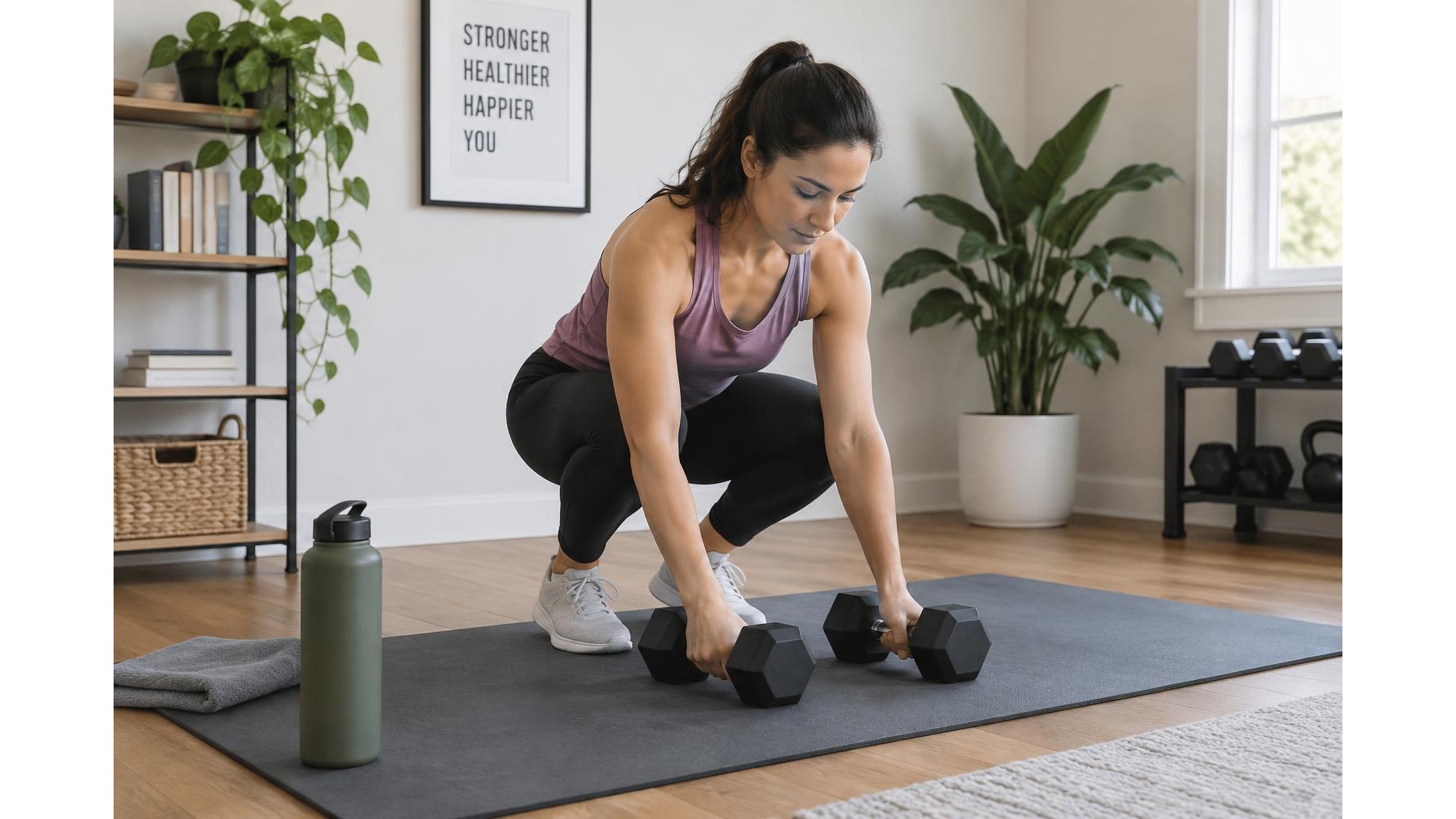
Cushioning can make repeated foot contact more comfortable, but extra padding is not always an advantage. A lightly cushioned sole is often a practical choice for lifting: it limits bulk and helps your foot feel stable inside the shoe. For indoor cycling, thin socks can fit more comfortably in snug cycling shoes and reduce pressure from crowded toes. A little extra cushioning may feel welcome during circuits or longer sessions involving jumps, but avoid padding that changes your shoe fit or creates hot spots. If you train barefoot on a mat, a thin, close-fitting sock usually makes it easier to feel the surface beneath you.
Prioritise a secure, smooth fit
Socks should sit close to the foot without pinching. Look for a shaped heel, a well-placed toe seam and enough room for your toes to spread naturally. A sock that is too large can fold beneath the arch or slide inside a shoe, increasing the chance of rubbing; one that is too tight may leave pressure marks or feel restrictive. Check the size chart rather than assuming every brand fits alike, and follow the care label to help the elastic retain its shape. For repeated training, a secure cuff and supportive arch area can help limit movement without requiring a tight squeeze.
Look for breathable, moisture-managing fabric
Technical fabrics are designed to move sweat away from the skin and dry faster than many everyday cotton socks. Synthetic fibres such as polyester or nylon are often blended with elastane for stretch and shape retention; merino wool blends can also offer warmth and moisture management. Fabric choice is personal, so consider whether your feet tend to run hot, whether you prefer a soft natural feel, and how quickly you need socks to dry between sessions. Reinforced heel and toe zones may add durability. Whatever the blend, wash socks as directed and let them dry fully before storing to keep them fresher between workouts.
Reduce slipping on shoes and floors
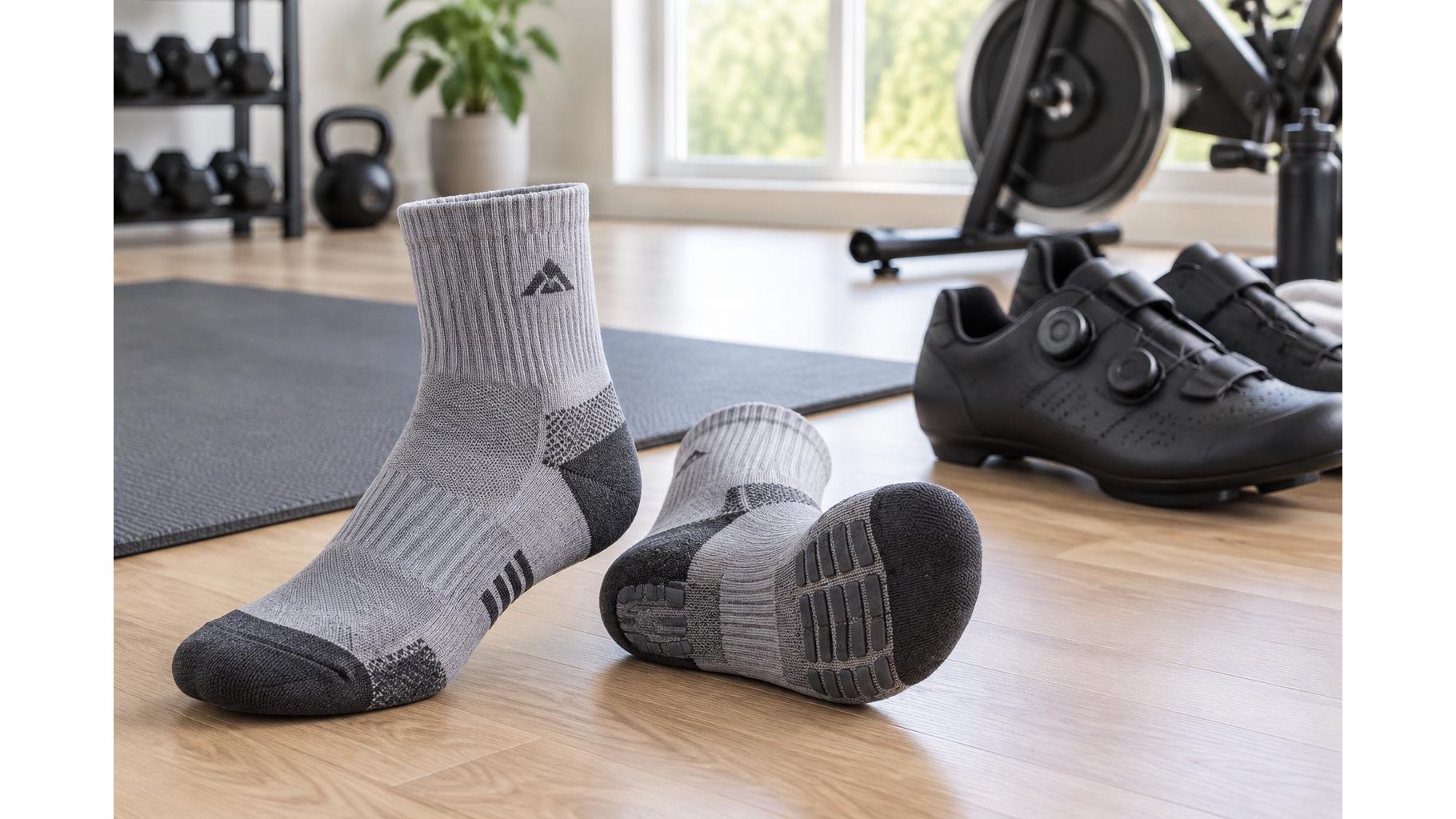
First distinguish between a sock slipping inside a shoe and a foot slipping on the floor. For shoe-based training, prioritize a close fit, a secure heel and compatible sock thickness. On smooth floors during mat work, a grip sock with silicone or rubberized tread may help improve traction, but check that the tread suits your surface and stays intact after washing. Grippy soles are not a substitute for a stable exercise mat or careful technique, and they may feel awkward inside shoes. For strength work, footwear and floor conditions matter more than tread on the sock itself; use equipment suited to your movements and keep the training area clear.
In short, choose socks around the way you train: low-profile and lightly cushioned for cycling or lifting, more coverage where rubbing is a concern, and grippy soles for selected floor-based sessions. A smooth, secure fit and breathable fabric help limit bunching, moisture and irritation. If possible, test a pair during a typical workout and check how it feels in your shoes and on your floor. The most suitable option is not necessarily the thickest or most technical-looking one, but the pair that stays comfortable and stable throughout your training.