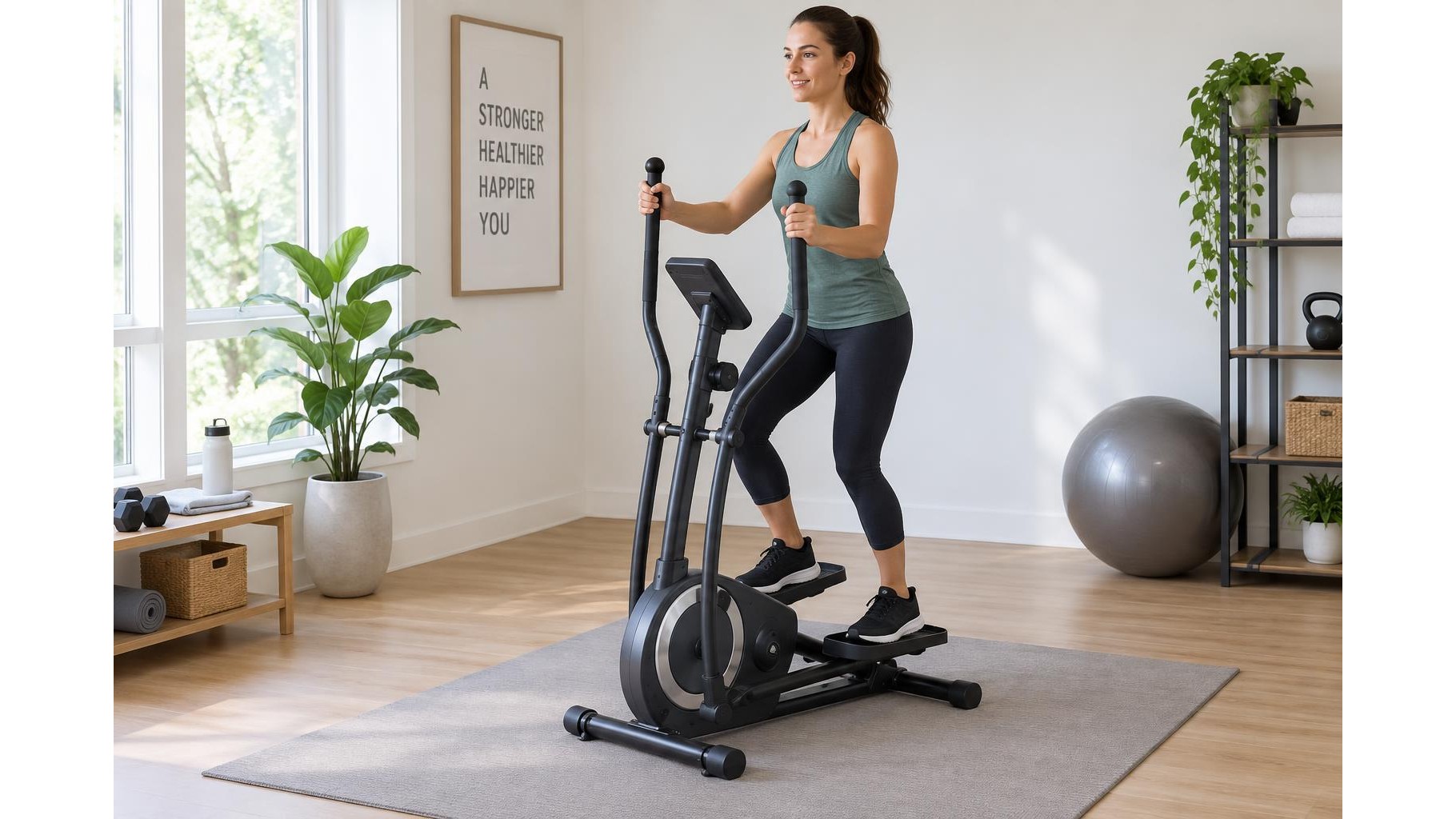
Choosing an elliptical cross trainer for home is about more than comparing prices or counting workout programmes. The right machine should feel comfortable through each stride, remain steady when you increase effort and offer resistance that suits your current fitness and future progress. A few practical checks can help you compare specifications without being distracted by features you may never use.
Start with stride comfort
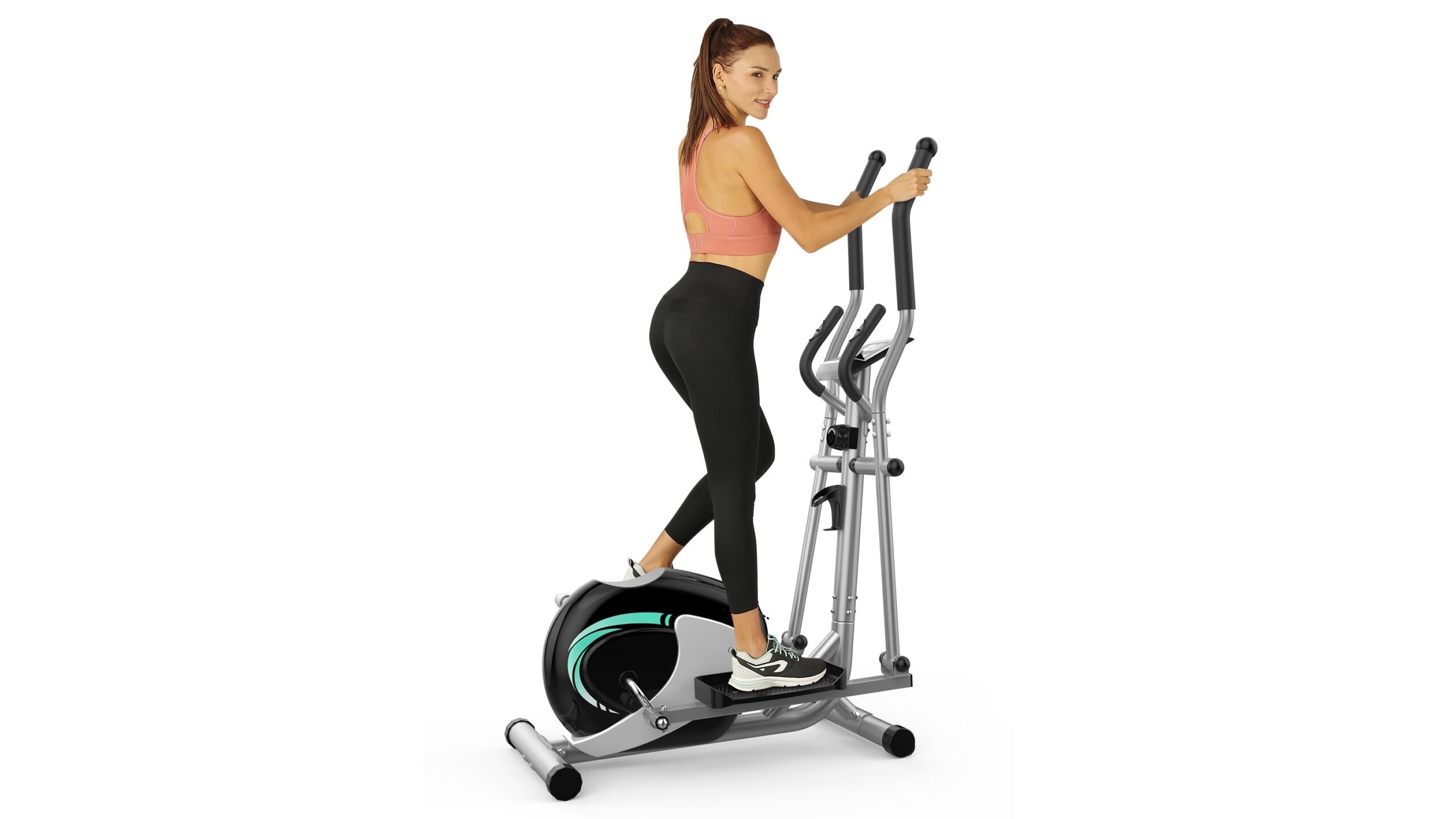
Stride length affects how naturally your legs move. A stride that feels too short can make the action cramped, while one that is too long may feel awkward, particularly for shorter users. If possible, try the machine in person; otherwise, check the stated stride length against your height and look for user feedback about comfort. Some models offer adjustable stride, which can help accommodate more than one person, but this may add complexity or cost. Also consider pedal spacing: a narrower stance often feels more natural, while widely spaced pedals may cause discomfort during longer sessions. Smooth, continuous motion matters as much as the headline measurement.
Check frame stability and build
A stable frame supports safer, more comfortable training, especially during brisk sessions. Compare the machine’s maximum user weight, overall weight and footprint, and treat these as useful indicators rather than guarantees of quality. A heavier unit may feel more planted, although it can be harder to move or reposition. Look for a broad base, secure-feeling pedals and handlebars that do not wobble under pressure. Check the manufacturer’s assembly guidance and warranty, too. If the trainer will sit on hard flooring, a suitable exercise mat can help protect the surface and reduce vibration, but it cannot compensate for a poorly balanced frame.
Compare resistance range and progression
Resistance levels determine how much control you have over workout intensity. Magnetic resistance is common on home machines and is generally quiet, making it useful in shared spaces. Check both the number of settings and whether the lowest and highest levels suit your needs: beginners may value manageable starting resistance, while stronger users need enough challenge for progressive training. A large level count does not automatically mean a wider or more useful range. If the specification lists watts, remember that output depends on the machine’s measurement and calibration. Try to find clear instructions for changing resistance and consider whether controls are within easy reach while exercising.
Keep console features practical
A console should make it easy to monitor basics such as time, speed, distance and calories. Heart-rate readings may be available through hand sensors or a compatible chest strap; treat consumer estimates as guidance rather than medical measurements. Decide whether you need preset programmes, app connectivity or a device holder. These extras can support motivation, but they are not essential for effective cardio. Check that the display is readable from your normal position and that the controls are straightforward. Also look at power requirements: some consoles use batteries, while others need a mains connection, which can affect where you place the trainer.
Match the machine to your room and routine
Measure the available floor area before ordering, including space for mounting, dismounting and moving the pedals. Compare the machine’s dimensions in use, not just any folded dimensions, and check whether it has transport wheels. Use this checklist:
- Space: confirm footprint, ceiling clearance and access around the machine.
- Users: compare stride comfort, pedal spacing and maximum user weight.
- Training: choose a resistance range that supports your current level and progression.
- Convenience: consider noise, storage, console essentials and warranty.
For regular cardio, a comfortable stride and dependable stability matter more than a long list of programmes. Measure your room, compare the resistance range and prioritise a machine that feels right for the people who will use it. This simple approach helps you find an elliptical cross trainer that fits both your home and your fitness goals.