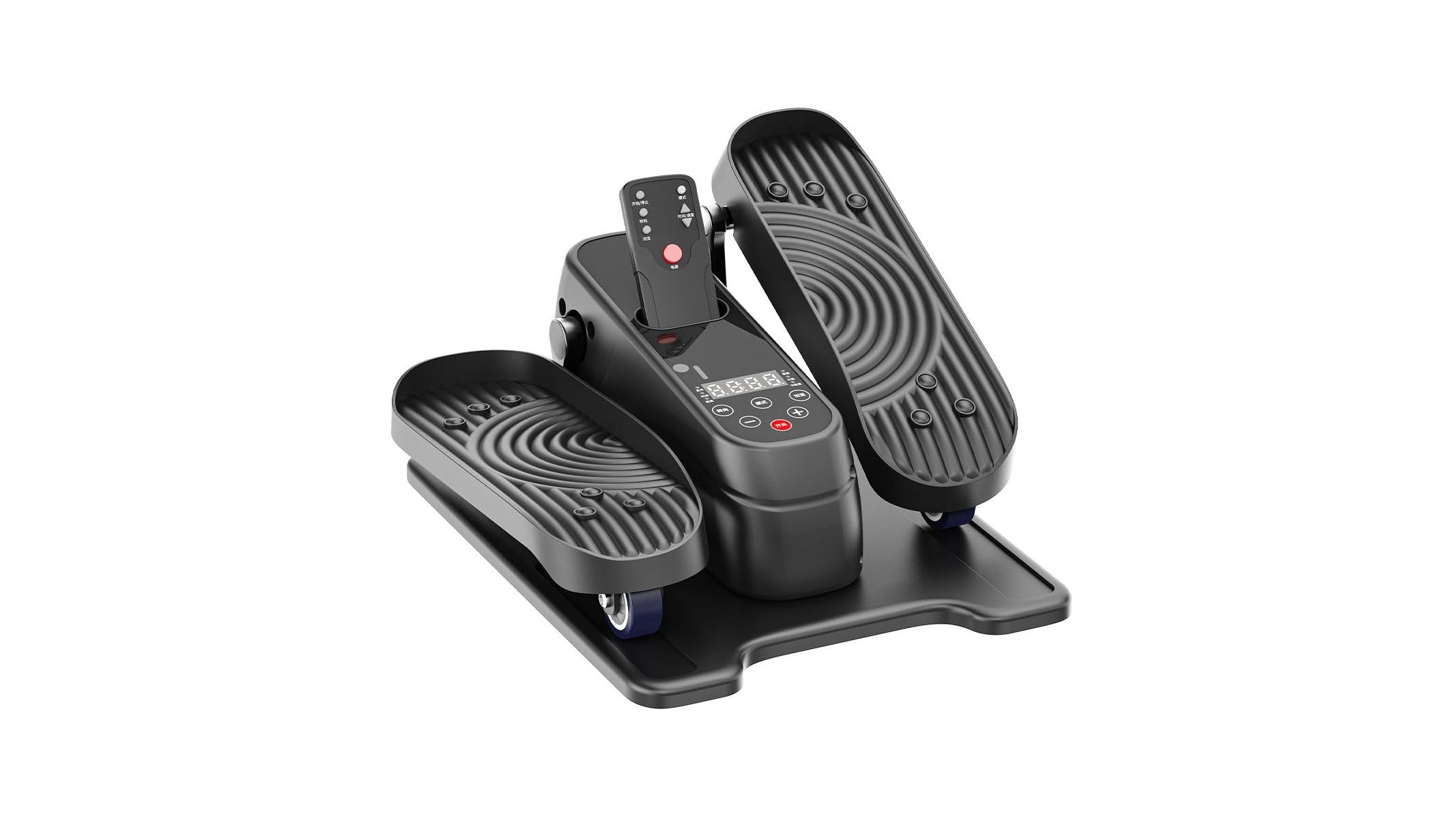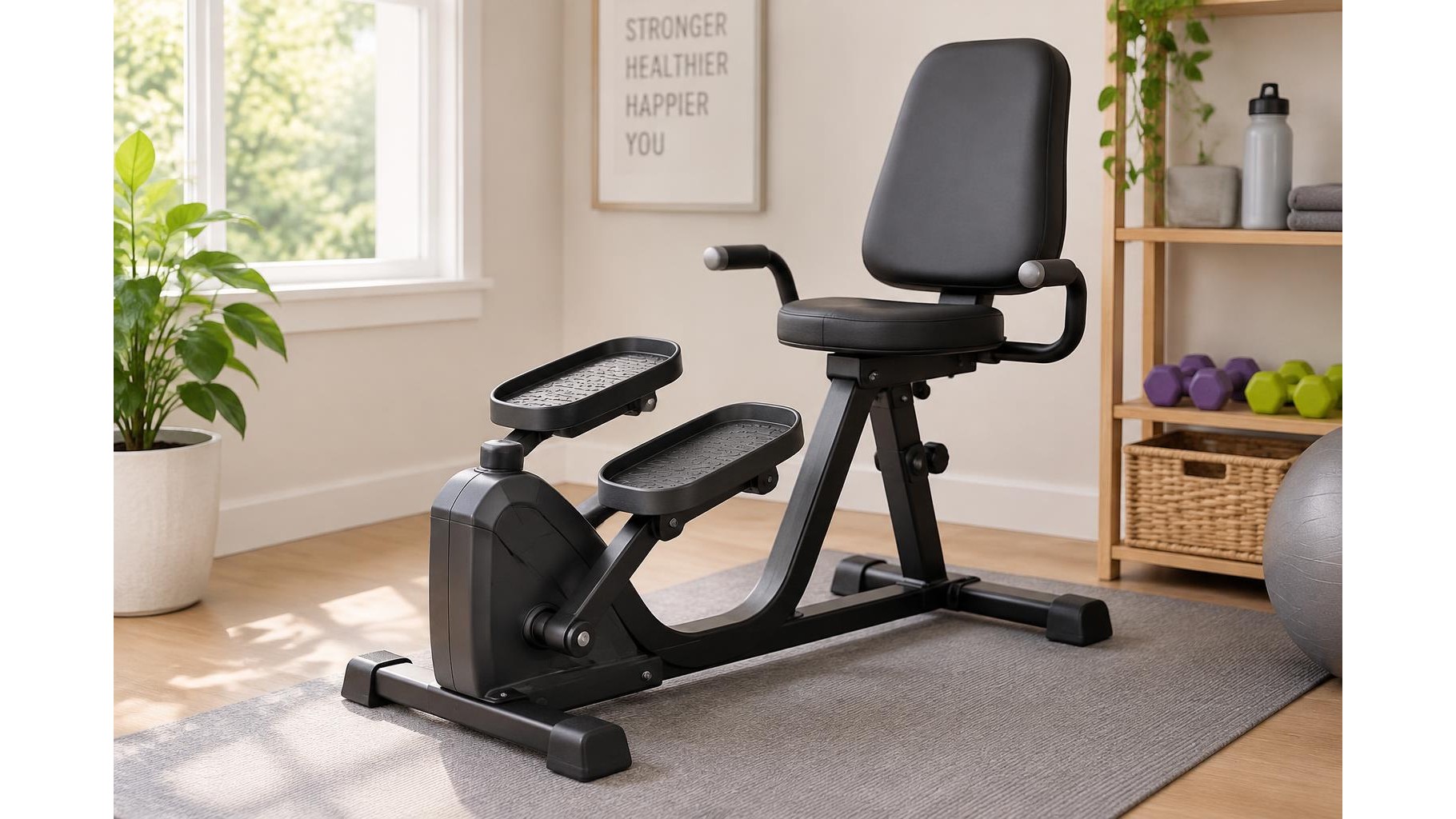
A compact recumbent stepper combines a supported seated position with a stepping-style pedal action, offering a way to fit low-impact cardio into a home routine. Designs and features vary, so compare how the machine fits your body, moves under load and stores in your available space. The right choice should feel comfortable for regular sessions rather than merely compact on a product page.
Start with the seat and back support
Seated comfort matters because it can determine how long you are willing to exercise. Check whether the seat has enough width and cushioning, and whether the backrest supports your lower back without forcing you into a slouched position. If the seat adjusts, look for a clear range of movement that lets you reach the pedals with a slight bend in your knees. A fixed seat may suit a smaller household, but it can be less adaptable when users differ in height. Also consider the handle position: reachable grips can help you stay steady, while an awkward reach may make your shoulders tense. If possible, compare the machine’s stated user-height range with your own measurements.
Compare pedal motion and stride
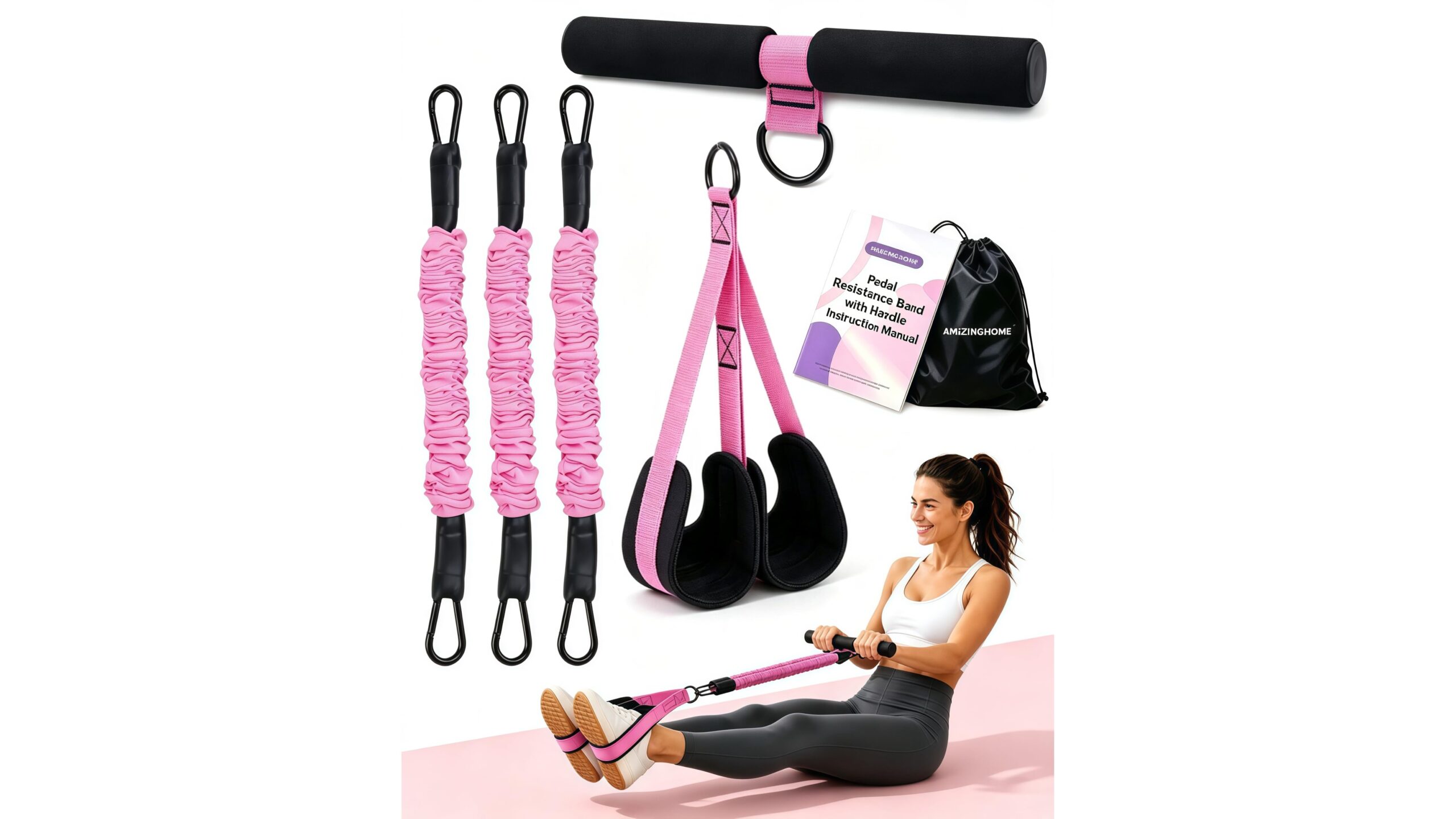
“Stepping” can describe different pedal paths, from short alternating presses to a smoother, more elliptical motion. A compact unit may have a limited range of travel, which can be useful in a small room but may feel repetitive during longer workouts. Look for descriptions or demonstrations showing whether the pedals move independently, whether the action is circular or forward-and-back, and how stable the movement appears. A natural-feeling path should let your feet stay supported without forcing your knees to twist or reach too far. Large, textured pedals and adjustable foot straps can improve security, particularly when you increase pace.
Check resistance and workout controls
Resistance determines how much effort you can add as your fitness improves. Compare the number of resistance levels and how they are adjusted: a simple manual dial is easy to use, while electronic controls may offer quicker changes during a session. Do not assume that a high level count guarantees a broad or useful range; seek clear information about the resistance system and whether transitions feel gradual. A basic display may track time, speed, distance or estimated calories, but these readings are best treated as workout guides rather than precise measurements. If structured sessions matter to you, check whether the console includes programmes or only provides manual control.
Assess entry height and access
The height and shape of the frame affect how easily you can sit down and get started. A low step-through frame can make mounting simpler than a tall bar or bulky central housing, especially when mobility is limited. Check the clearance between the floor, frame and seat, and consider whether you can approach from the side without stepping over pedals or stabilisers. The pedals should remain still or be easy to position before you sit. If the machine is intended for an older adult or someone returning to exercise, prioritise secure access and stable handholds alongside resistance settings.
Measure the footprint and everyday storage
Compare the assembled dimensions with the space you can dedicate to exercise, allowing extra room around the machine for mounting and safe movement. A short footprint does not necessarily mean the unit is easy to store: check its weight, whether it has transport wheels, and whether the frame folds. Look at the clearance needed for the pedals at their furthest point, not just the base dimensions. If it will stay in a shared living area, also consider noise, floor protection and how easily it can be moved after use. Confirm the product’s maximum user weight and warranty details before deciding.
Before buying, match seat comfort, pedal path, resistance, entry height and storage needs to the people who will use the machine and the room available. A compact recumbent stepper is most useful when it is comfortable to access, stable in motion and simple to keep within reach. Compare specifications carefully, and choose the model that supports a routine you can maintain.