A leg curl machine can bring focused hamstring training into a home gym, but compact models vary in how they position the body, apply resistance and fit into a room. The right choice depends on more than the machine’s listed dimensions: consider the space needed to get on and off, your preferred training position, and whether the frame stays secure during a controlled repetition. This guide compares seated and lying options and explains what to check before buying and using one.
Choose seated or lying curls
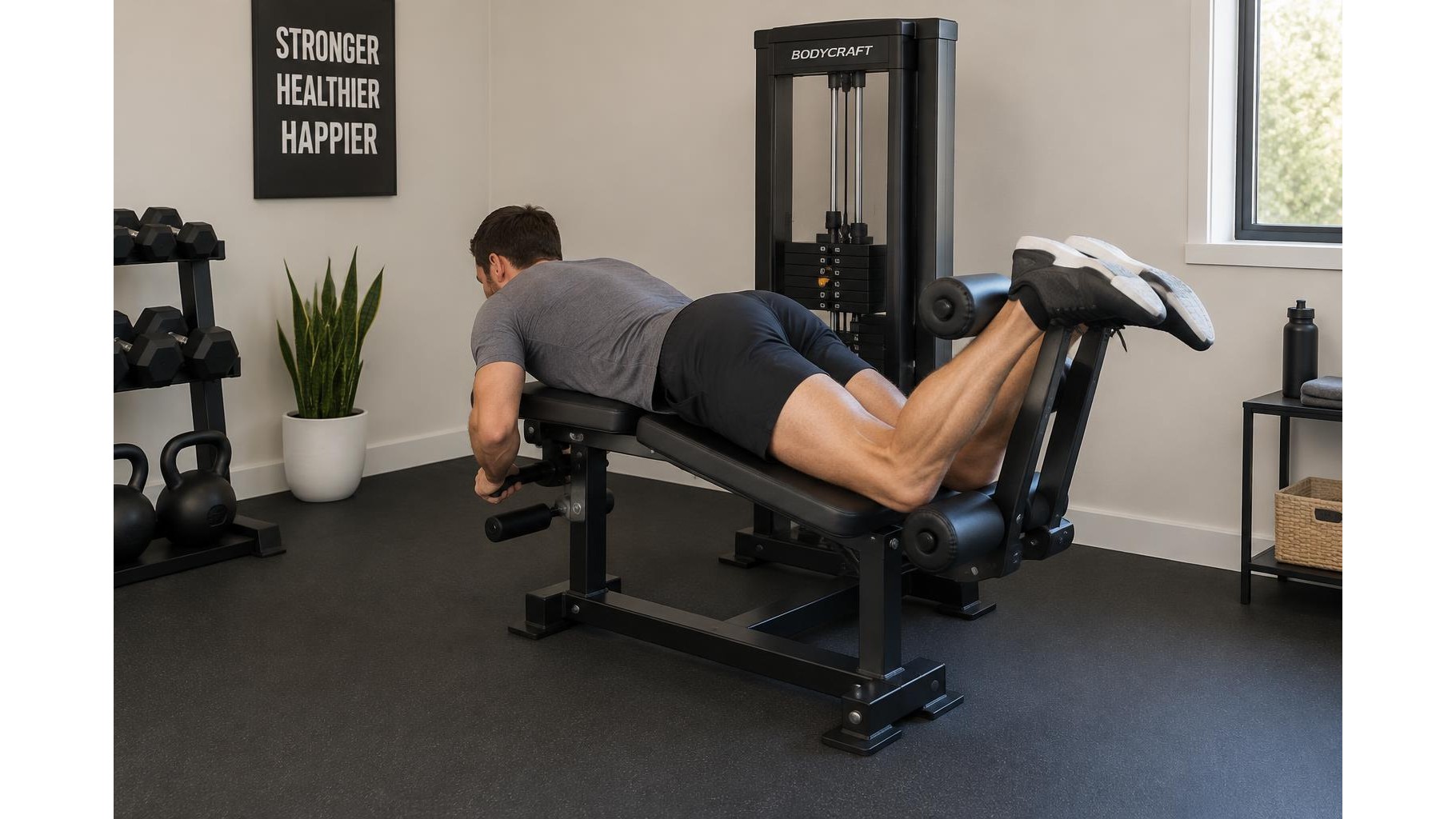
A seated leg curl supports the torso against a backrest while the legs move against a roller. It can be easier to use in a multipurpose home gym because you remain upright, and the seated position may suit people who prefer not to lie down. Check that the seat and backrest let you align your knees with the machine’s pivot point. A lying leg curl places you face down on a bench, curling the lower legs toward the body. Its lower profile may suit some layouts, but the bench still needs enough length and clearance for your body and the full movement. Neither style is automatically more compact; compare the complete assembled dimensions and access space.
Measure the footprint and access
Measure the intended floor area before comparing listings, allowing room not only for the frame but also for loading plates, adjusting the machine and moving around it. Note the machine’s length, width and height, and check whether any part projects beyond the stated footprint during use. If you need to store it between sessions, look for a model that folds or has transport wheels, but verify that it can be moved safely and locked firmly for training. A compact machine should not force you into a cramped range of motion or block an exit.
Match resistance to your training
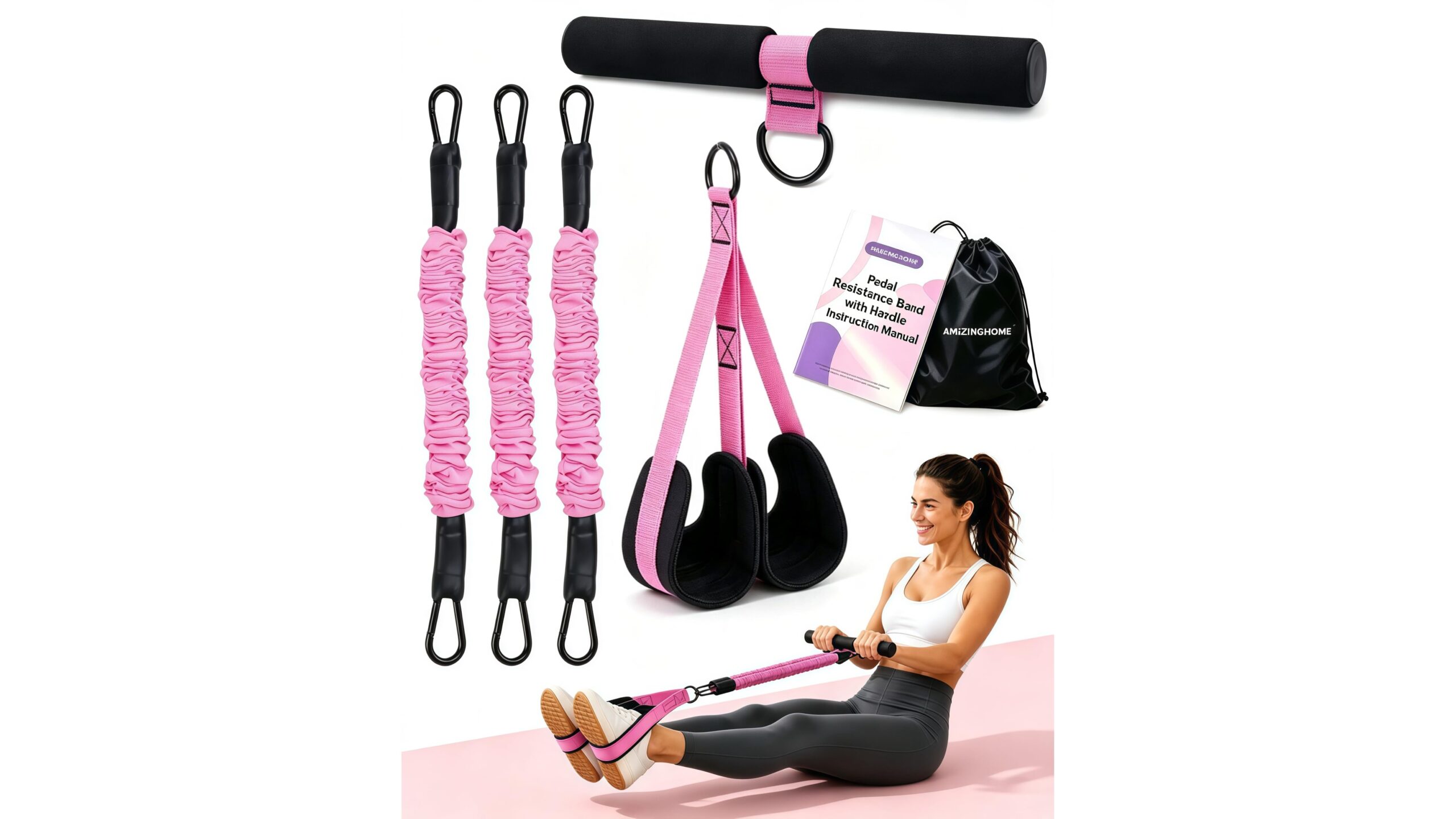
Home machines commonly use weight plates, selectorised stacks or resistance bands. Plate-loaded designs can be simple and space-efficient, but confirm which plate diameter and loading capacity they accept; plates may be sold separately. A weight stack is convenient for quick adjustments, though it can make the unit larger or heavier. Bands can reduce bulk, but their resistance changes through the movement and they need secure, undamaged attachment points. Choose a resistance system that allows gradual progression and smooth, controlled repetitions rather than selecting a machine by maximum load alone.
Check adjustment and body fit
Good adjustability helps the machine fit different users and supports consistent positioning. Look for clear adjustment points for the seat or bench, thigh restraint and ankle roller. The roller should sit comfortably above the heel, while the knee should line up with the machine’s pivot. Padding should feel supportive without pressing painfully into the ankle or thigh. If possible, try the machine or review its adjustment range against your height and leg length. A model that cannot be aligned to your body may encourage awkward movement, even if its resistance and footprint look suitable.
Prioritise stability and safe setup
Before buying, inspect frame construction, base width, welds and the manufacturer’s stated user and load limits. A stable machine should stay planted during controlled repetitions; a lightweight frame that rocks or slides is not a bargain. Assemble it on a level surface, tighten fasteners as instructed and use a suitable floor mat if needed. Keep hands clear of moving parts, secure plates or bands properly, and start with a light load. Move smoothly, avoid bouncing at the end of each repetition, and stop if you feel sharp pain or the machine shifts.
In short, choose a compact leg curl machine by balancing body position, usable footprint, appropriate resistance, easy adjustment and a stable frame. Seated and lying designs can both train the hamstrings effectively when correctly fitted and used with control. Measure your space, check the machine’s specifications and adjustment range, and make safe setup part of every session.