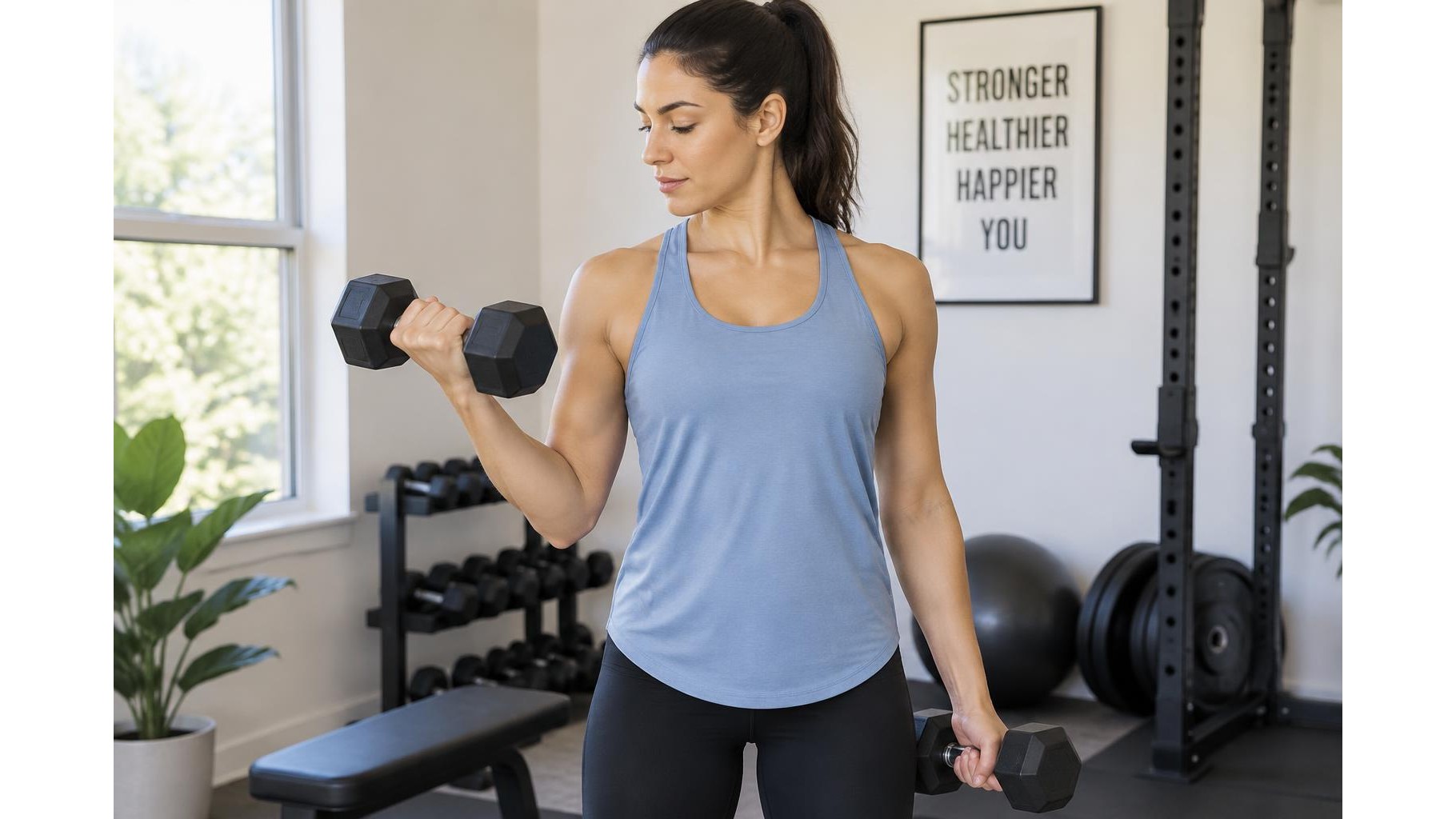
A workout tank top should feel secure without restricting your shoulders, cling uncomfortably or need constant adjustment. At home, one session might combine dumbbell presses, mobility work and a quick cardio finisher, so comfort depends on more than appearance. Compare fabric weight, armhole shape, length and coverage, then check how the top behaves during movements you actually do. The right fit is the one that stays comfortable through the full range of your training.
Choose fabric weight for your workout
Fabric weight affects warmth, drape and how much a top moves against your skin. A lightweight, breathable knit can feel cooler during intervals or in a warm room, but very thin fabric may cling when damp or offer less coverage. A midweight material often provides a steadier feel for strength sessions and can be less revealing under bright indoor lighting. Look for a comfortable stretch and a fabric that recovers after pulling; it should not become baggy at the neckline or hem. If you sweat heavily, consider quick-drying construction and check the care label so the fabric keeps its shape after regular washing.
Check the armholes and shoulder fit
Armholes need to allow free movement without exposing more than you want. Reach overhead, perform a shoulder press and bring your arms across your chest: the fabric should not dig into the armpits or pull sharply across the back. Very deep armholes can improve ventilation, but may reveal a sports bra or side of the torso during floor exercises. A closer-cut opening usually gives more coverage, though it should not rub as you move. Straps should sit securely on the shoulders without slipping or pressing into the skin. If you wear a sports bra, test the tank over it to make sure the layers work together.
Find a length that stays put
For floor work, bending and stretching, a tank with enough length to cover the waistband can feel more secure. Try a forward fold, a bodyweight squat and a lying movement: the hem should not ride up excessively or bunch beneath your back. A shorter cut may feel cooler and less restrictive for lifting, especially if it does not interfere with your preferred range of motion. A longer top can offer extra coverage, but too much loose fabric may swing or gather during burpees and cycling. Choose a hem that sits comfortably when standing and remains practical when you change positions.
Match coverage to your training style
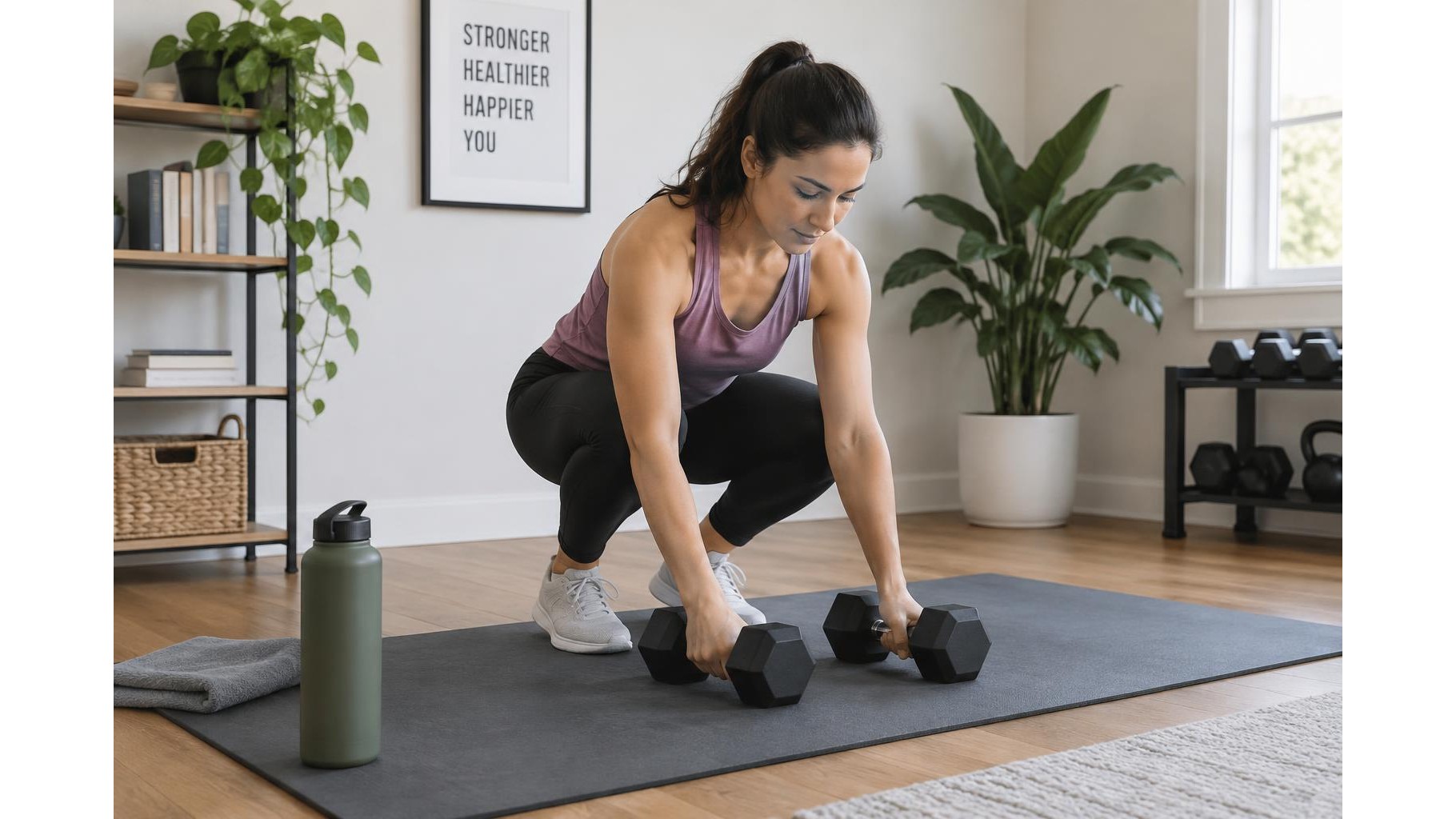
For strength training, prioritise stable shoulder straps and a fit that does not shift during presses, rows or overhead lifts. For yoga and stretching, a close but flexible body fit can prevent fabric from falling over your face in inverted or folded positions. Cardio tends to reward light, breathable construction and openings that allow airflow, while still staying secure through repeated movement. If your routine mixes styles, look for a balanced cut rather than an extremely loose or compressive design. Consider the room, too: sunlight through a window can make thin fabric more transparent than it appears indoors.
Use simple fit checks before buying
Use the size chart and compare your measurements with the garment’s stated fit. Reviews can help identify whether a style runs small, stretches out or has unusually deep armholes, but fit is personal. At home, test a new top with a short movement sequence before relying on it for a full workout:
- Raise both arms overhead and reach side to side.
- Do a squat, hinge and gentle torso twist.
- Try a push-up position and lie on your back.
- Check for rubbing, slipping, unwanted exposure or fabric bunching.
A supportive training tank is not necessarily tight; it is a top that stays comfortable and unobtrusive as your workout changes. Prioritise breathable fabric, armholes that suit your mobility, a practical length and the coverage you prefer. Then check the fit with lifts, stretches and cardio-style movements before making it part of your regular home-training rotation.