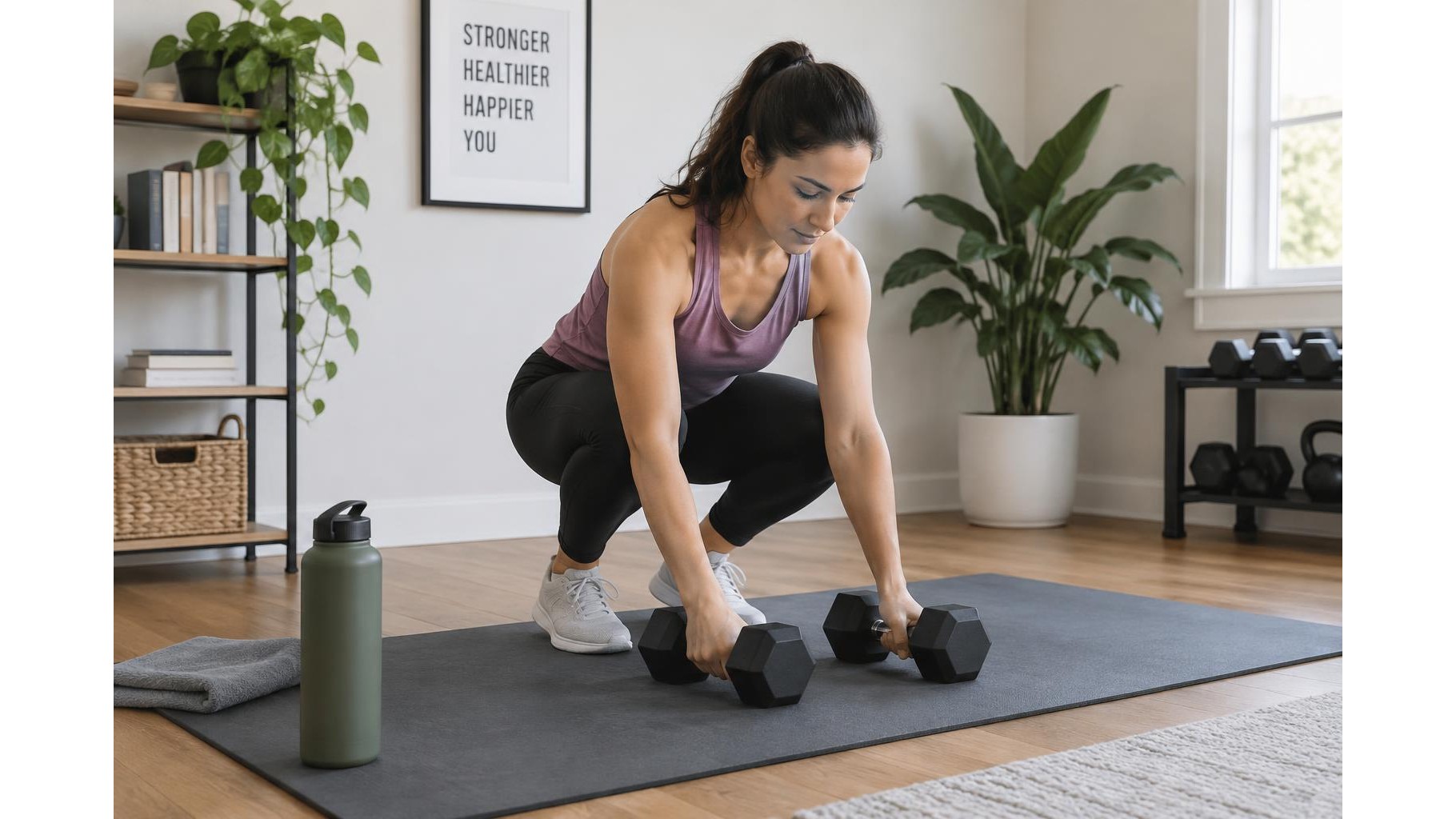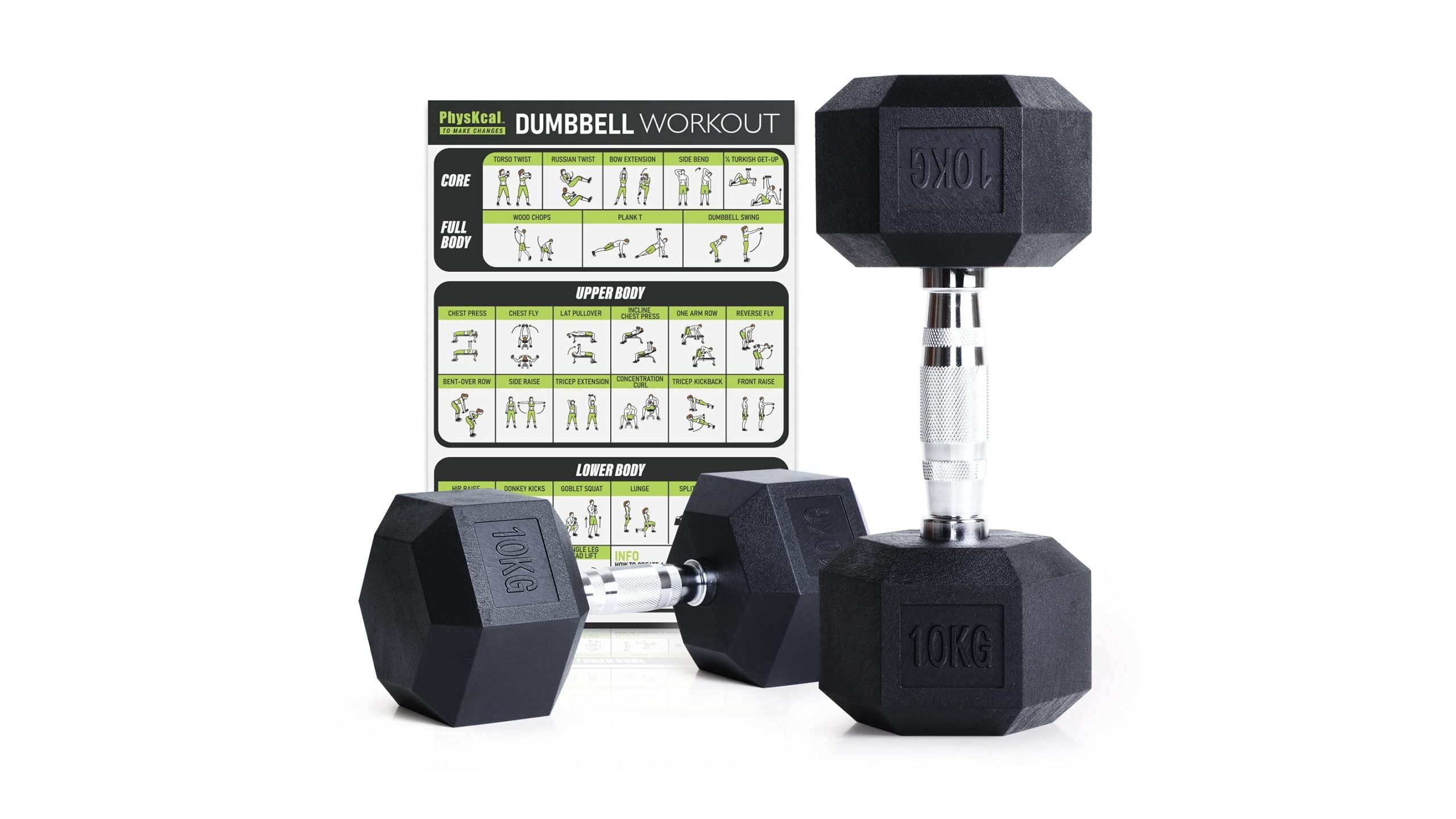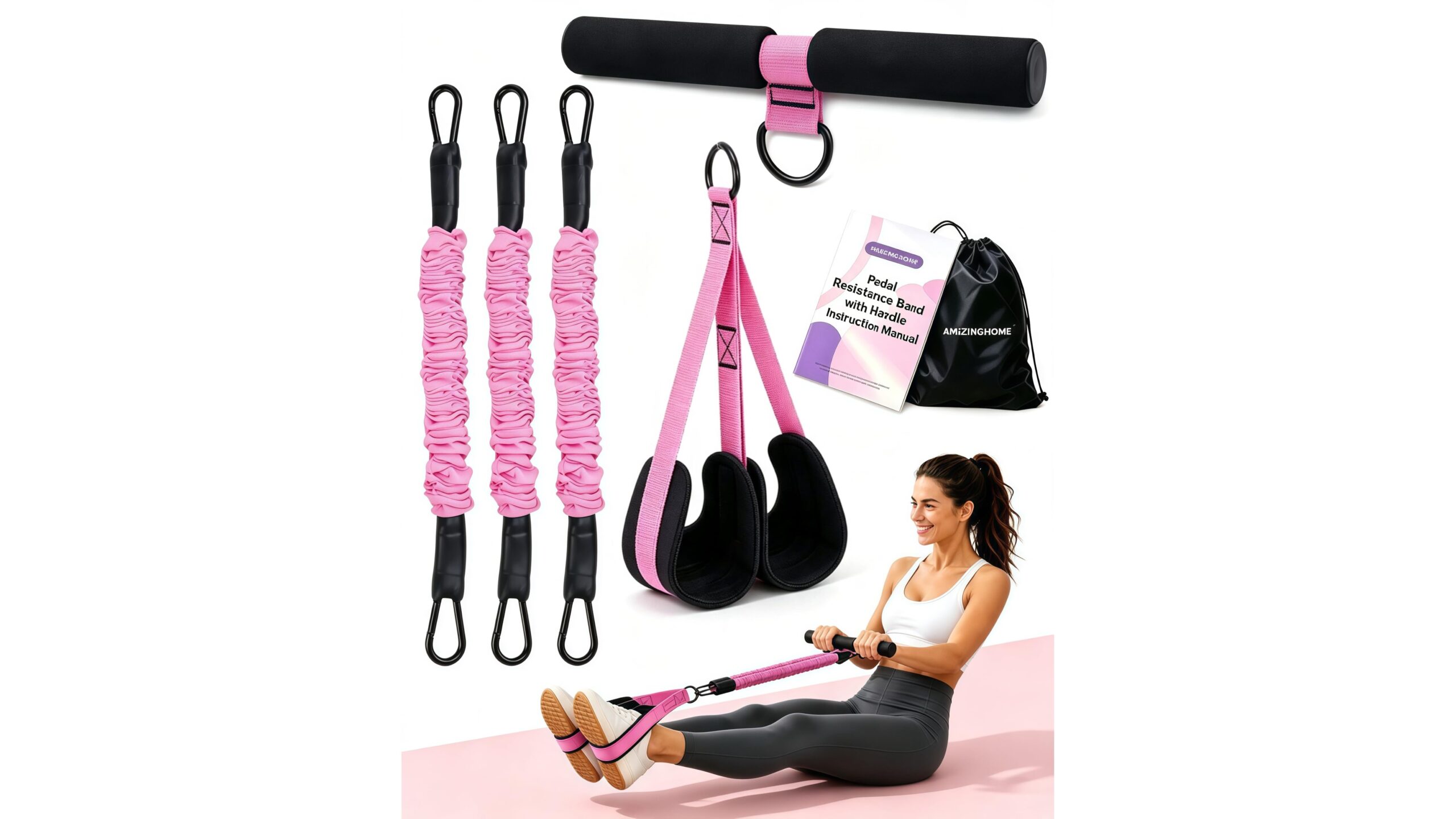
After a day of lifting, typing or supporting your weight on the floor, your hands and forearms may feel tired or stiff. A brief wrist and hand reset can help you move comfortably and ease out of repeated gripping. Keep this routine gentle: it is not a test of flexibility, a treatment for injury or a substitute for medical advice.
Start by letting the grip go
Sit or stand with your shoulders relaxed and arms supported. Let your hands rest open on your thighs, then take a few calm breaths. Notice whether discomfort feels mild and general, or sharp, increasing or unusual. Begin only if the movements feel comfortable. There is no need to push into a stretch, and you can skip any step that does not suit you.
Move the wrists through a comfortable range
With your forearms supported, slowly bend your wrists forward and back a few times, then turn your palms gently upward and downward. Use a small, easy range and keep your fingers relaxed. Move smoothly rather than bouncing or forcing an end position. If you have been typing, try changing your arm position between repetitions; if you have been gripping weights, let the hands soften before moving.
Give each finger a little mobility
Open your hand comfortably, then bring the fingers toward a loose fist without squeezing. Repeat several times at an unhurried pace. You can also touch your thumb lightly to each fingertip, one at a time, and then release. Keep the movement easy and coordinated. Avoid strong fist-making or repeated squeezing, especially immediately after a demanding grip workout.
Relax the forearms without pressing hard
Rest one forearm on your thigh or a table and gently stroke along the muscles with your other hand, using light pressure. You may pause at a comfortable spot, but do not dig into tender areas or massage directly over a painful joint. Let the wrist and fingers stay loose. The goal is relaxation, not to break up tissue or chase soreness.
Scale the routine to how you feel
Try a few repetitions of each movement, then reassess. On a tired day, do less: reduce the range, slow down, or choose only the movements that feel pleasant. Stop if pain becomes sharp, worsens, spreads, or is accompanied by tingling, numbness, weakness or swelling. Do not use this routine to push through symptoms or return to a painful exercise.
Know when to seek an assessment
Occasional mild stiffness after activity may settle with rest and gentler movement, but persistent or recurring pain deserves attention. Contact a qualified clinician if symptoms continue, interfere with everyday tasks, follow an injury, or include marked swelling, reduced movement, numbness or weakness. Seek urgent help for severe symptoms or sudden loss of function. An assessment can help identify the cause and guide a safe return to training.
In short, a useful hand and wrist reset should feel calm, easy and optional. Move gently, keep the range comfortable, relax rather than squeeze, and stop when symptoms worsen. Rest and clinical guidance matter more than completing every movement.