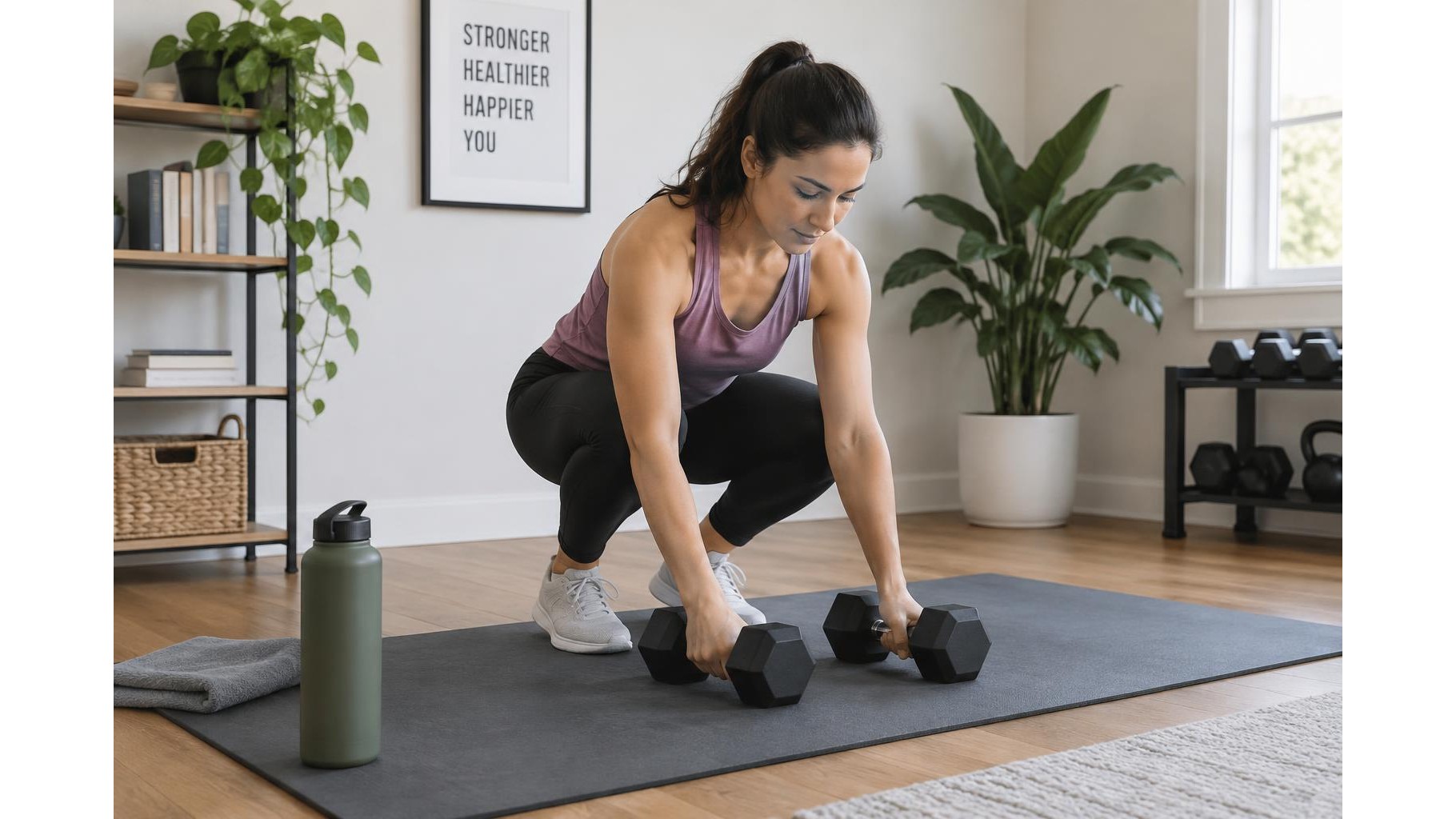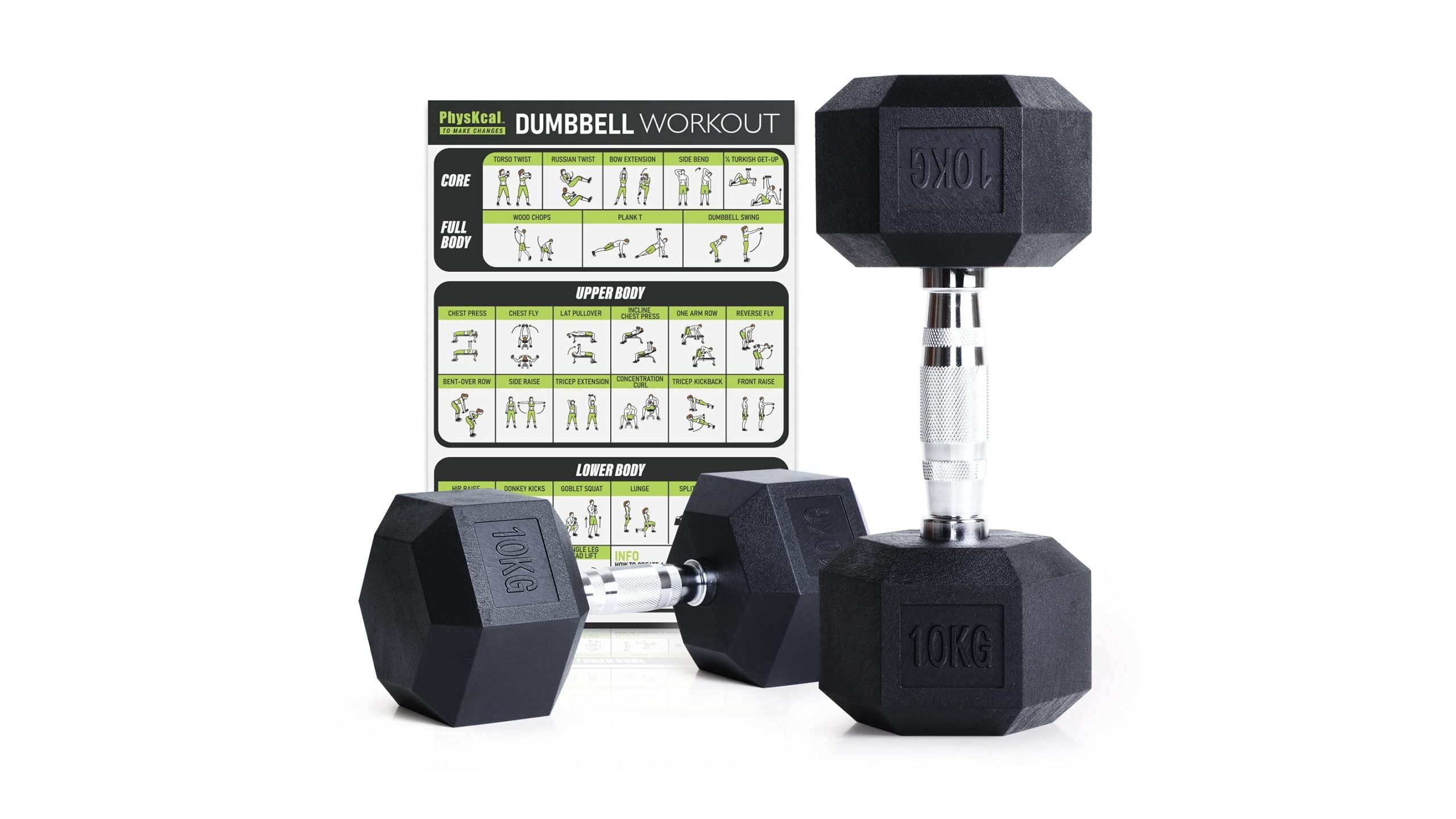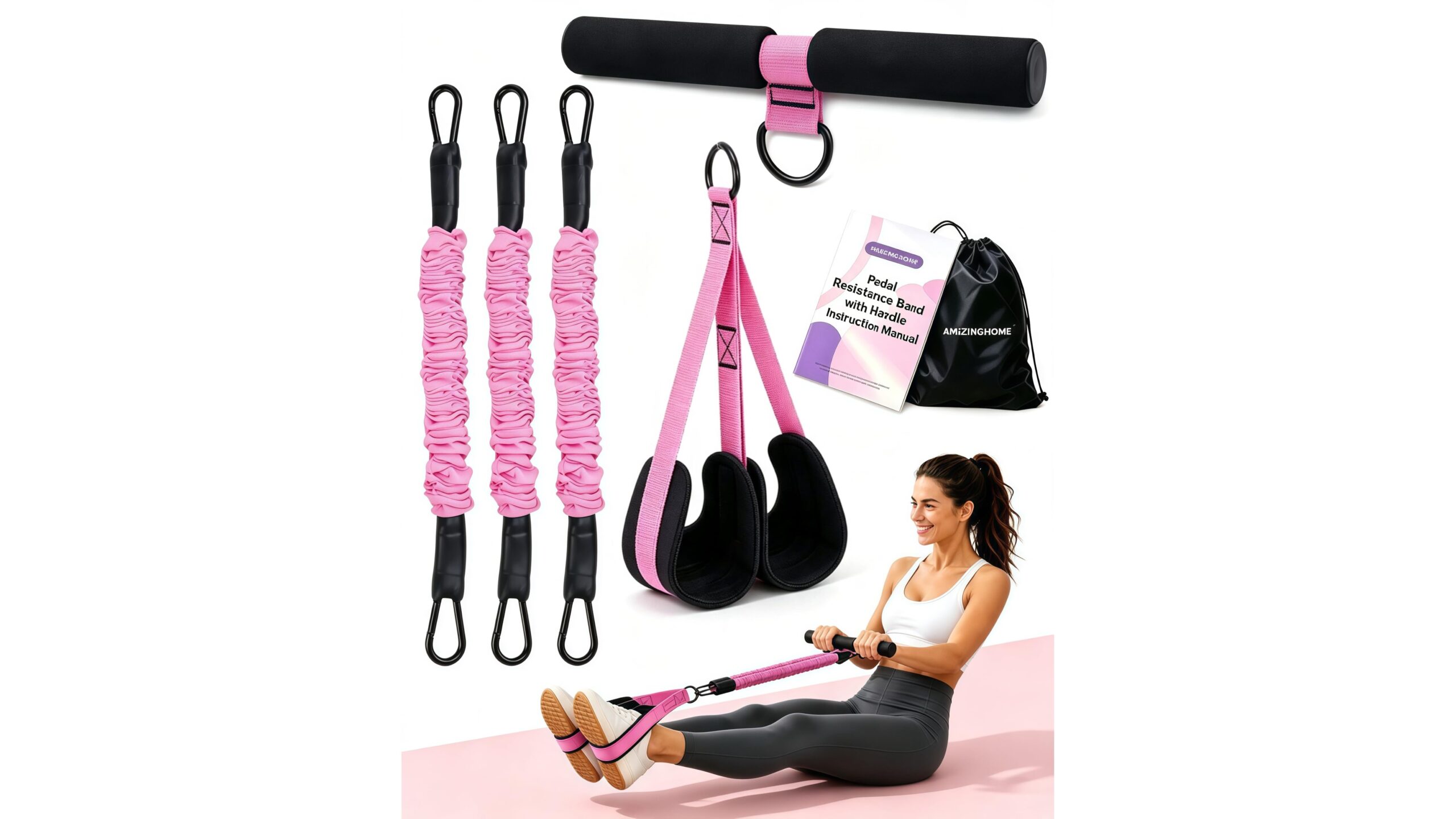
A smart ring can add useful context to your home-training routine, but its readiness score is not a command to train or rest. The most reliable use is to notice patterns over time, then combine them with how you feel and what your plan requires. Treat the ring as one source of information—not a diagnosis or a substitute for your own judgement.
What a smart ring is estimating
Most smart rings collect signals such as movement, skin temperature, resting heart rate and heart-rate variability (HRV). Algorithms use these measurements to estimate sleep duration and quality, daily activity and recovery. These are indirect estimates: the ring does not measure muscle soreness, motivation or your ability to complete today’s workout. Scores are most helpful when you understand that they are summaries built from multiple signals, not precise readings of fitness.
Look for your baseline, not a perfect score
Your usual readings matter more than a universal target. A low HRV or shorter sleep may be normal for one person and unusual for another. Wear the ring consistently and review several weeks of data to learn your typical range. Then look for persistent changes, such as several nights of disrupted sleep alongside an elevated resting heart rate, rather than treating one unusual morning as a verdict. Missing data, a loose fit, travel or a change in routine can also affect readings.
Use trends to shape the training day
Match the data to the session you planned. If recovery indicators are close to your normal range and you feel well, a scheduled strength or conditioning workout may still make sense. If multiple signals have shifted for a few days, consider reducing volume, choosing easier movements or taking an active-recovery session. A readiness score can prompt a check-in; it cannot tell you exactly how many sets to do. Keep the goal of the workout in view rather than letting a single number rewrite the whole plan.
Check in with your body and symptoms
Before training, pause and assess energy, soreness, mood and any symptoms. A ring may miss early illness, pain or accumulated stress, so your lived experience takes priority. If you feel dizzy, unwell, unusually breathless or have significant pain, skip strenuous exercise and seek appropriate medical advice when needed. When the ring looks low but you feel normal, you might begin with a gentle warm-up and reassess instead of cancelling automatically. Stop if your symptoms worsen.
Account for workload and life outside the gym
Readiness reflects more than workouts. A demanding workday, alcohol, late meals, heat, menstrual-cycle changes and travel can influence sleep or physiological measures. Compare readings with your recent training load and life context. A hard session after several challenging days may call for a lighter plan even if the score is favourable; a low score after one poor night may not require a full rest day. Use the information to make a proportionate adjustment, not to chase a perfect dashboard.
Keep a simple decision rule
Try this three-part check before home training:
- Trend: Are several signals meaningfully different from your personal baseline?
- Body: How are your energy, soreness and symptoms today?
- Plan: Is the planned workload appropriate for those signals?
If the trend and your body both suggest strain, scale back. If they disagree, start conservatively and reassess. Record what you chose and how the session felt; over time, that context can make wearable trends more useful than the daily score alone.
Use the ring as context, not a coach
Smart rings can help you notice sleep and recovery patterns, but their estimates have limits and daily scores can fluctuate. Build a personal baseline, check multiple signals, consider your symptoms and workload, and make small adjustments when the evidence points in the same direction. The best training decision is one that supports consistent, sustainable progress—not one driven by a single number.