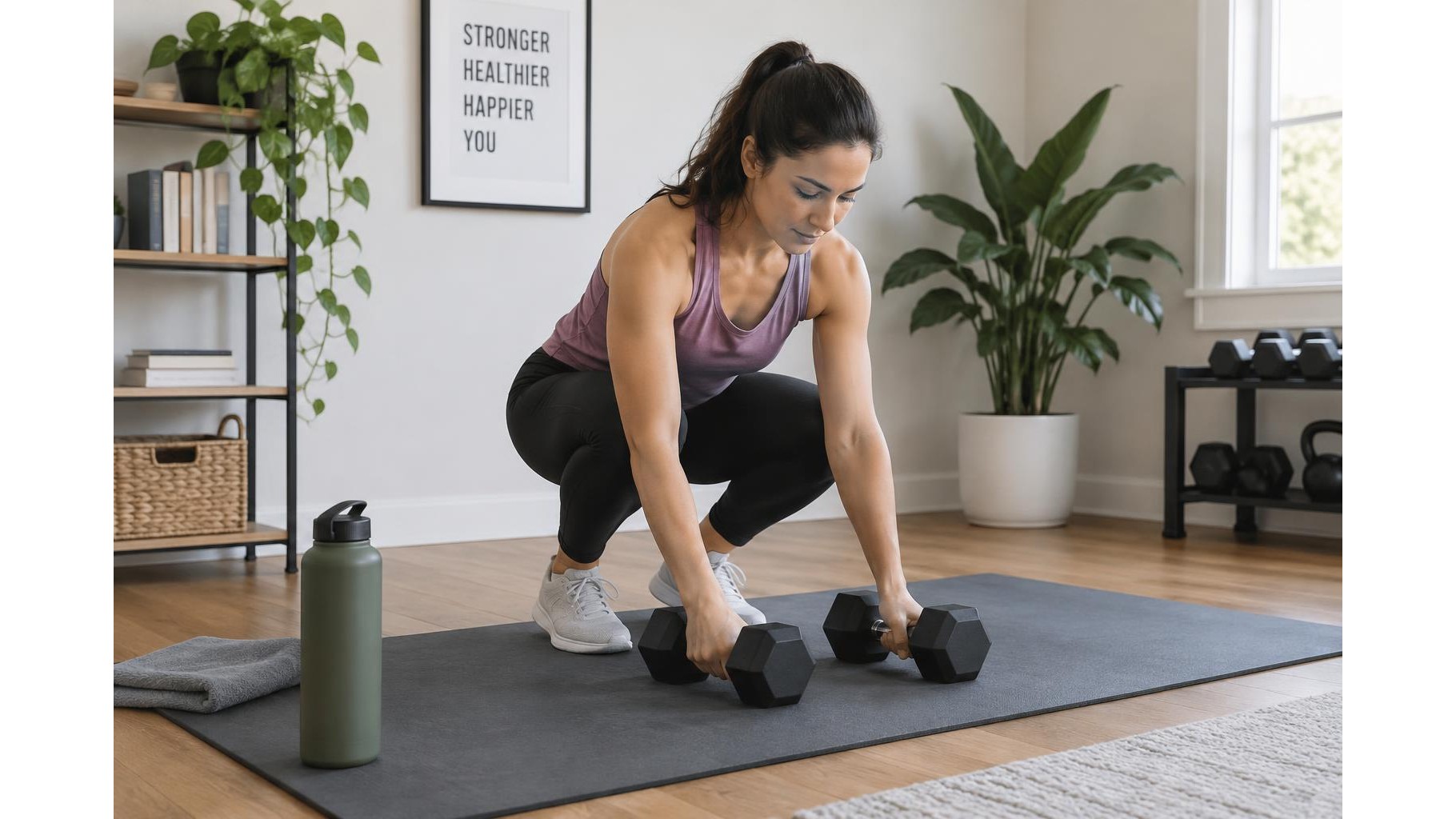
Indoor training can make a top feel hot and clingy even when the room seems comfortable. The right shirt should move sweat away from the skin, allow air to circulate and stay comfortable through presses, squats and stretches. When comparing breathable training tops, look beyond “quick-dry” claims: fabric weight, stretch, seams and fit all affect how a shirt performs at home.
Choose a fabric weight for your room
Lightweight polyester or nylon blends are practical for warm rooms and vigorous sessions because they dry quickly and usually feel less heavy as you sweat. A fine, light knit can improve comfort, but very thin fabric may cling when damp or feel less durable. For cooler spaces or lower-intensity strength work, a midweight shirt can offer more coverage without becoming restrictive. Check the garment description for fabric composition and care instructions; a small amount of elastane often adds useful stretch.
Look for airflow, not just sweat-wicking claims
Moisture-wicking fabric helps spread sweat across the surface so it can evaporate, but ventilation also depends on the knit and garment construction. Open, textured or mesh-knit panels can help release heat around the back and underarms. These features are especially useful in a warm room, during circuits or when there is little air movement. For slower sessions, a smooth, close-knit fabric may feel more comfortable and provide better coverage. No shirt can replace a fan or sensible room ventilation, so consider the training environment as part of the choice.
Test stretch during overhead movements
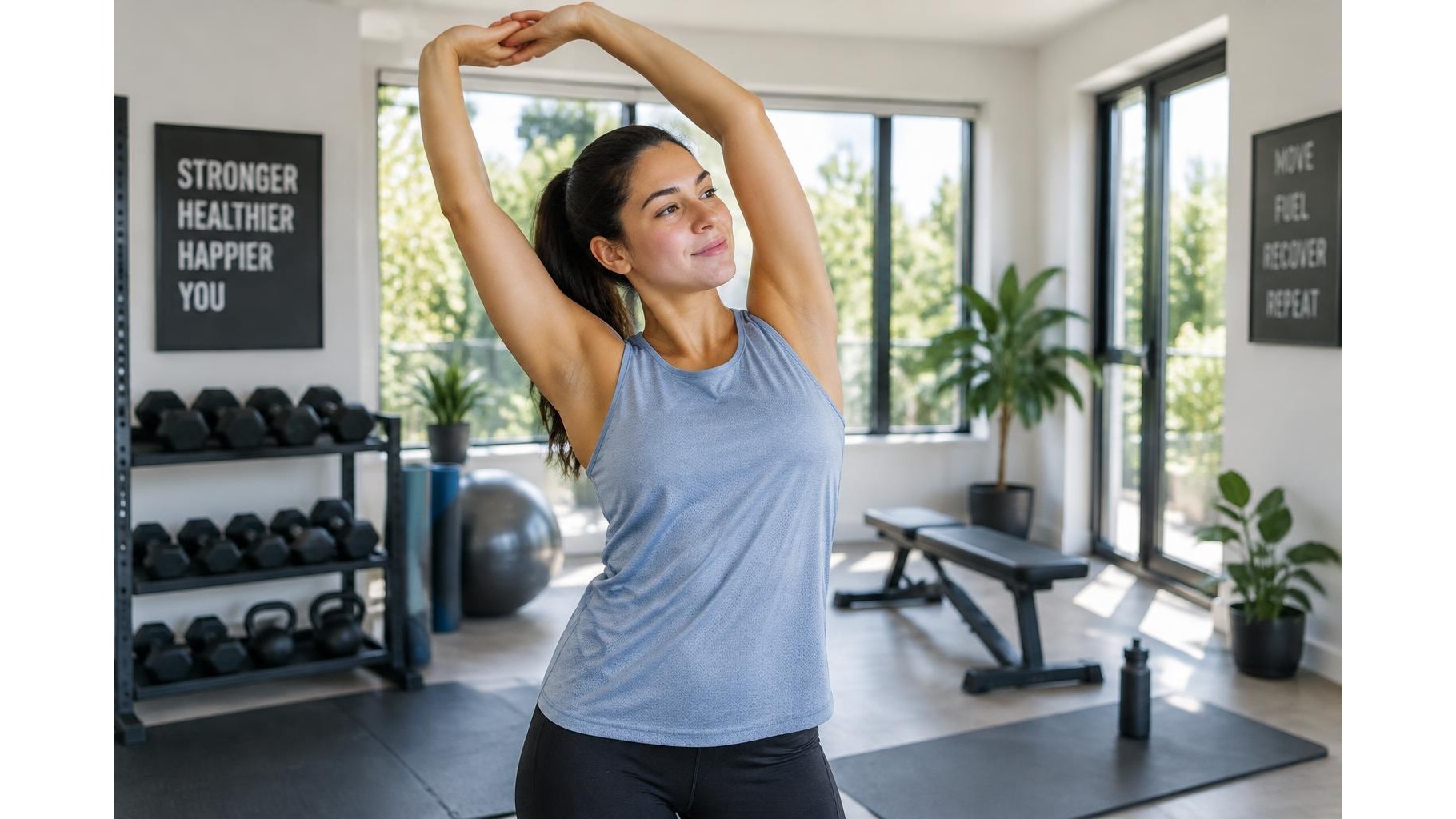
A top may feel fine while standing still and pull awkwardly once your arms go overhead. Look for four-way stretch or a flexible fabric blend, then assess the cut with a simple movement check: reach up, rotate your shoulders and bring your arms across your chest. The hem should not ride excessively, and the body should not tug across the upper back. For mobility work, a shirt that follows your movement without bunching is more useful than one that is simply loose.
Check seams and areas of friction
Seam placement can matter during repeated sets, floor exercises and long sessions. Flat or low-profile seams are less likely to rub at the shoulders, sides and underarms, particularly when the fabric is damp. Raglan sleeves can provide more room through the shoulder for pressing and reaching, while a smooth neckline can avoid irritation during movement. If you train with a backpack-style weight vest or lie on a mat, consider whether seams or labels sit where they may press against the skin.
Match the fit to your training
A close but not compressive fit is a versatile choice for strength sessions: it is less likely to catch on equipment and makes it easier to notice whether the shirt is twisting. A relaxed cut can feel cooler in a warm room, though excess fabric may shift during floor work. For mobility training, prioritise shoulder freedom and a hem that stays in place as you bend and stretch. Check the size chart and, where possible, reviews that mention fit and movement rather than relying on a labelled size alone.
Make comfort the final test
Before buying, compare fabric weight, knit structure, stretch, seam finish and cut against the way you train. A lightweight, ventilated top suits hot rooms and sweaty circuits; a more substantial, soft shirt may be better for controlled lifting or cooler conditions. The best option is the one that remains comfortable through your full range of motion, dries at a reasonable pace and does not distract you during a workout.