Training in a home gym often means dealing with rooms that swing from chilly to overheated in the same session. Phase-change base layers – tops and leggings made with temperature-regulating fabrics – are designed to smooth out those swings, keeping your skin in a more stable comfort zone. Understanding how these materials work and how to choose the right fit for strength training or yoga-style sessions can make your home workouts more productive and enjoyable.
How phase-change materials keep your skin in the comfort zone
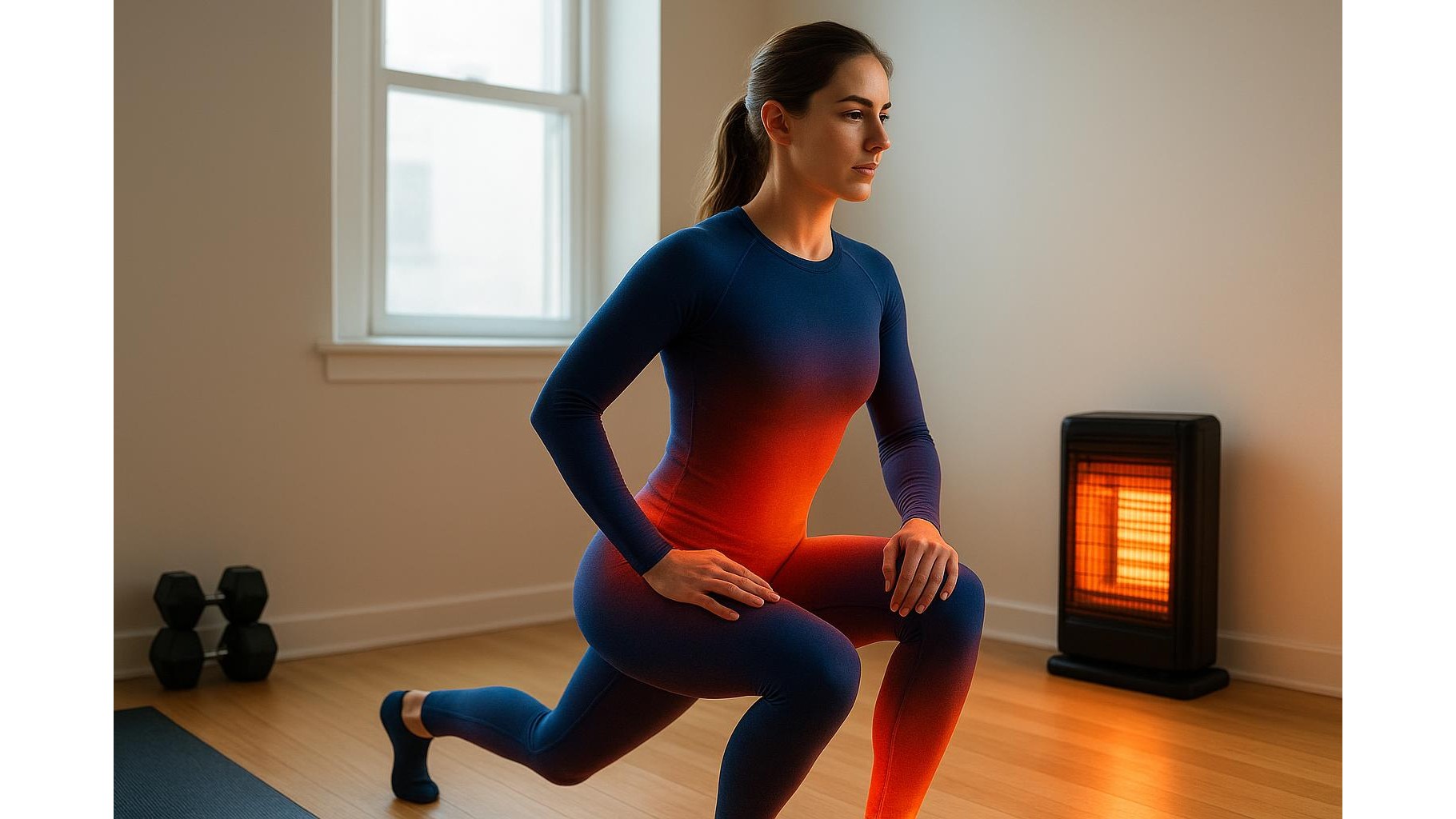
Phase-change materials (PCMs) are tiny capsules embedded in the fabric of some training tops and leggings. As your body warms up, the PCM changes phase – from solid to more liquid – and in the process it absorbs excess heat. When the room or your skin cools, the PCM solidifies again, releasing stored warmth. Instead of constantly feeling hot then cold, you get a buffered temperature close to your skin. For home workouts in spare rooms, basements, or garages where temperature is hard to control, this can reduce distracting chills in warm-up and sticky overheating during intense sets.
Choosing base layers for mixed-temperature homes
In a home environment, your workout space may be next to open windows, radiators, or drafty doors. When choosing a phase-change base layer, look for lightweight, breathable knits that combine PCM technology with moisture-wicking fibres like polyester or nylon. A close-to-skin fit helps the temperature-regulating fabric do its job effectively, since it works best in direct contact with your body. For homes that are mostly cool, prioritise tops and leggings with slightly brushed interiors for added insulation. If your space tends to overheat, opt for versions with mesh panels behind the knees, underarms, or down the spine to vent excess moisture while the PCM handles rapid temperature spikes.
Best fits for strength and HIIT-style sessions
For strength training and HIIT workouts at home, a mid-compression phase-change training top and supportive leggings usually work best. The top should be snug around the torso without restricting your shoulders, allowing you full range of motion for presses, rows, and overhead movements. Leggings with a high, stable waistband help them stay in place through squats and lunges, while the PCM helps buffer the heat spikes typical of short, intense sets. Look for flat, minimal seams to avoid chafing on benches or during floor work. A slightly thicker fabric is acceptable here, because your intensity will quickly activate the heat-absorbing phase-change microcapsules, preventing that clammy, overheated feel.
Phase-change comfort for yoga, Pilates, and mobility
Slower, yoga-style sessions, Pilates, and mobility work place different demands on your base layers. You spend more time in low-intensity poses, which can make you feel chilly at the start, then warmer after several flows. For this style of training, a more second-skin, stretchy fit often feels best, with soft, low-compression leggings and a longline top or fitted tee. The advantage of temperature-regulating fabrics here is that they gently store warmth during the early stages and release it as your practice intensifies, reducing the need to add or remove layers. Prioritise smooth, non-slippery fabric if you use a mat, so you maintain grip in standing poses and core work without sliding.
Layering strategies with phase-change garments
Because PCM garments react to your skin temperature, they work especially well as the first layer in a simple system. For a cold garage or loft, start with a phase-change base top, then add a light mid-layer hoodie you can remove once warm. For your lower body, PCM leggings can be paired with loose shorts if you prefer extra coverage. In warmer homes, you might wear only the base layer for most sessions, relying on the heat-absorbing and heat-releasing action of the fabric instead of constantly opening windows or adjusting thermostats. Keep colours and cuts versatile, so the same pieces can move from home workouts to outdoor walks without feeling like specialised gear you only use occasionally.
Building a comfortable, flexible home workout wardrobe
Thoughtfully chosen phase-change base layers help stabilise your comfort when your home gym temperature is anything but stable. By prioritising close-to-skin fits for effective temperature regulation, choosing supportive cuts for strength and HIIT, and softer, stretchier fits for yoga and mobility, you can cover most workout styles with just a few key pieces. Combine these temperature-regulating tops and leggings with simple layering strategies and you will spend less time adjusting clothes and more time focused on your training, turning any corner of your home into a more consistent, comfortable place to move.