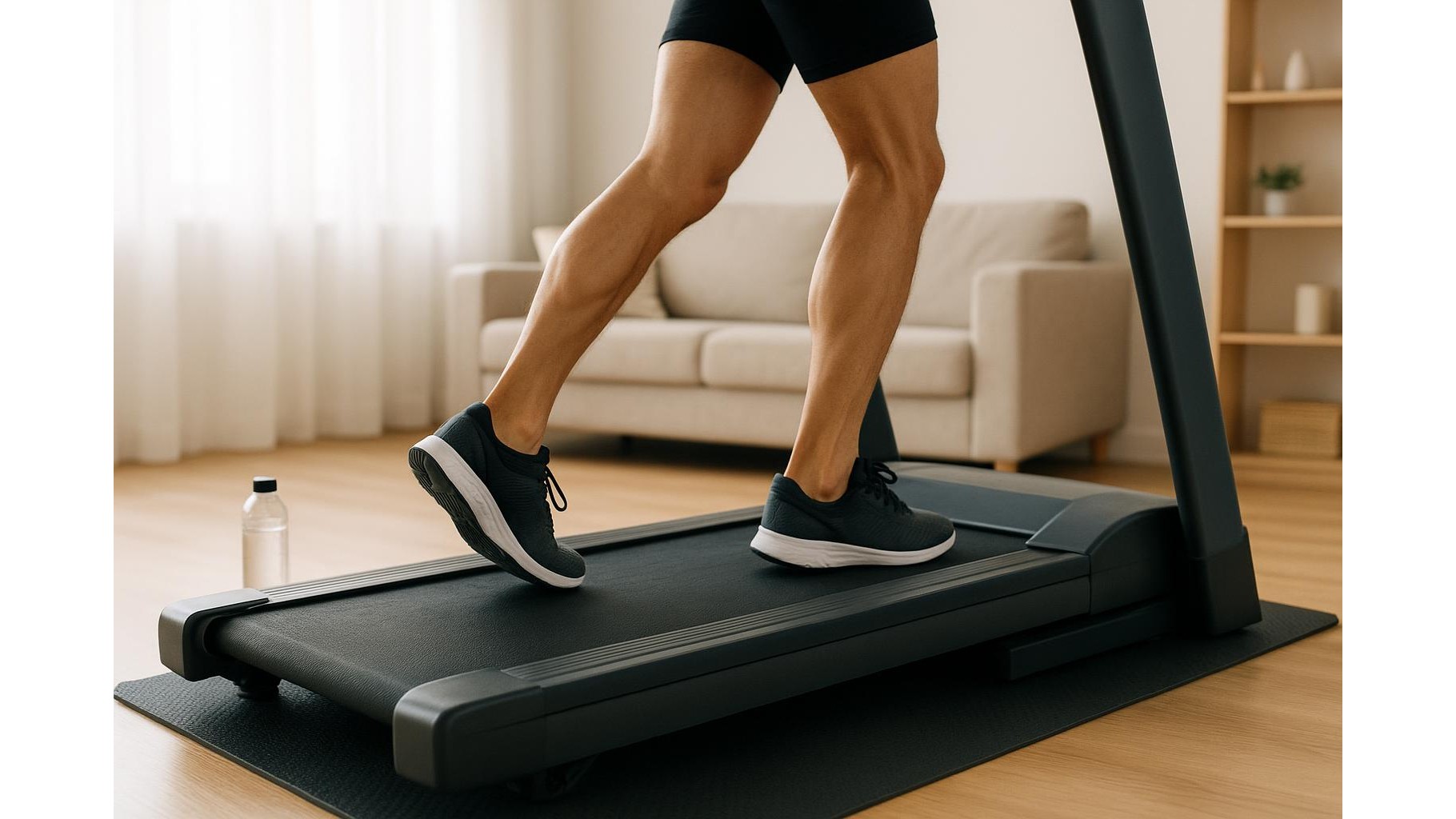
Starting to run on a home treadmill can feel safe and convenient, but many beginners quickly run into a painful problem: shin splints. This ache or sharp pain along the front or inner side of the lower leg is usually caused by sudden increases in training load, poor technique, or inadequate support. With a few simple, evidence-informed tweaks to your routine, you can often prevent or ease shin splints without leaving your living room.
Understand what shin splints are (and why treadmills trigger them)
Shin splints, often called medial tibial stress syndrome, usually show up as a dull, nagging pain along the inner edge of your shin that worsens during or after a run. On a home treadmill, the repetitive, identical foot strike pattern can overload the tissues around the shin, especially if you jump from walking to running quickly, or suddenly increase speed or distance. New runners often run with a heavy heel strike and long stride, which increases impact forces. The goal of at-home care is to gradually reduce these loads, improve how the lower leg handles impact, and give tissues time to recover between sessions.
Warm up smart and adjust your treadmill settings
A proper dynamic warm-up can significantly reduce stress on your shins. Before each treadmill session, spend 5–8 minutes on brisk walking, then add leg swings, ankle circles, calf raises and gentle marching. On the treadmill, start with a 3–5 minute walking warm-up at a comfortable pace before you run. Avoid setting the incline to zero all the time: a small incline of about 1% can more closely mimic outdoor running and slightly reduce braking forces at the shin. Keep early runs at an easy, conversational pace and resist the temptation to crank up speed or use steep hills until your legs have adapted to the new routine.
Progress your mileage and intensity gradually
Most new runners get shin splints because they do too much, too soon. A simple rule is to increase your treadmill running volume by no more than about 10% per week. If you are starting from scratch, alternate between walking and running intervals, for example: 1 minute easy jog, 2 minutes brisk walk, repeated 8–10 times. Only shorten the walk breaks or lengthen the run intervals when your shins feel settled for at least a week. If pain rises above a mild discomfort, scale back to walking or stop for the day. Remember that your bones and connective tissues adapt more slowly than your lungs, so feeling “fit” does not mean your shins are ready for big jumps in speed or distance.
Use simple recovery tools to ease tight calves and shins
At-home recovery strategies aim to calm irritated tissues and improve calf flexibility and strength. After your run, gently stretch your calves (both straight-leg and bent-knee) and front of the shin. You can also massage the calf muscles with a basic foam roller or massage ball if you have one, rolling slowly over tender areas for 30–60 seconds. Apply ice packs wrapped in a thin towel to the painful shin area for short periods if it feels hot or inflamed. Between running days, low-impact activities such as cycling or brisk walking can maintain fitness while giving the shins a relative break. Combine these with 2–3 short sessions per week of calf strengthening—such as double-leg and single-leg calf raises—to help your lower legs better absorb treadmill impact.
Check your footwear and running form
Running on a home treadmill in old trainers or fashion sneakers is a common mistake. Choose running shoes designed for cushioning and support, and replace them regularly when the midsole feels flat or the outsole is visibly worn under the forefoot and heel. When you run, aim for a slightly shorter stride and higher cadence, which usually means your foot lands more under your body rather than far in front of you. Imagine running more quietly: trying to reduce the noise of your foot strike can encourage a softer landing and lower stress at the shin. If your treadmill has a very firm deck, consider using a slightly lower speed and focusing on smooth, controlled steps instead of long, bounding strides.
Know when to rest and when to seek help
Some mild soreness is normal when you start a new treadmill running routine, but sharp or worsening pain along the shin is a sign to ease off. If symptoms persist despite reducing your training, taking a few rest days, and using basic recovery strategies, it is important to consult a health professional such as a physiotherapist or sports doctor. They can check for more serious issues like a stress fracture and assess your biomechanics in more detail. Long term, combining gradual progression, smart warm-ups, supportive footwear and simple strength work will usually allow you to keep enjoying your home treadmill while keeping shin splints under control.