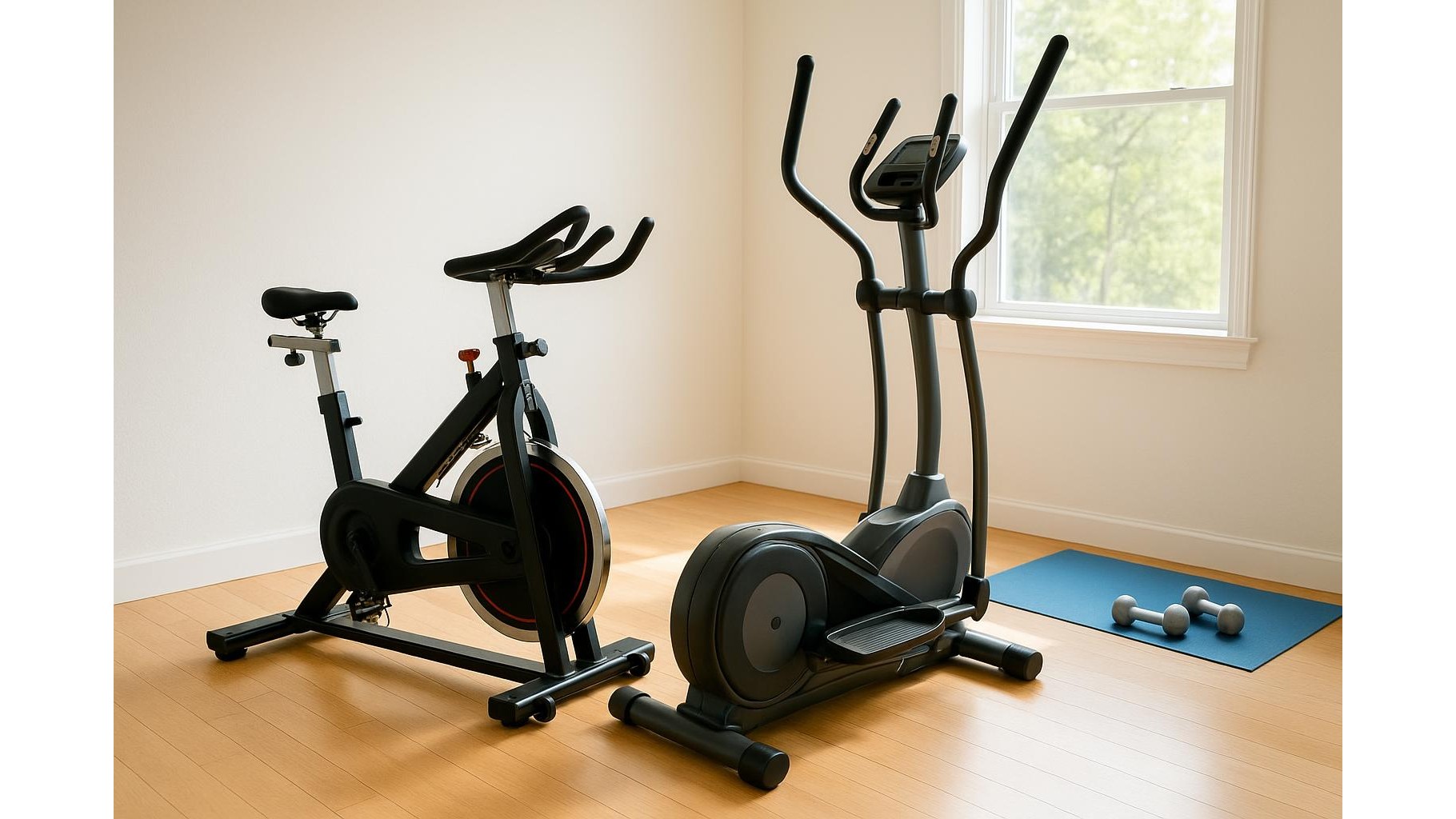
Choosing between a home elliptical and a spin bike can feel confusing when both promise low‑impact, high‑calorie workouts in a compact footprint. The right call depends on your goals, joints, available space and how you actually enjoy training. In this guide we compare the two machines for fat loss, joint comfort, noise, footprint and training variety, so you can decide what deserves a permanent spot in your living room or garage gym.
Calorie burn and fat loss potential
Both a spin bike and a home elliptical trainer can deliver strong fat‑loss results, but they get there in slightly different ways. A spin bike lets you perform intense interval training with heavy resistance and high cadence, which can spike heart rate quickly and is ideal if you enjoy short, brutal sessions. An elliptical usually feels a bit easier at the same heart‑rate zone because the movement pattern is more distributed across upper and lower body. Over a 30–40 minute workout the total calorie burn can be very similar. The real difference is adherence: if you prefer cycling, a spin bike will keep you consistent; if you like a more natural stride with arm involvement, the elliptical wins for long‑term fat loss because you are more likely to use it several times a week.
Impact on joints and overall comfort
If joint comfort is your top priority, a home elliptical usually has the edge. The gliding motion keeps your feet fixed on the pedals and reduces impact on ankles, knees and hips, making it a great option for people coming back from injury or those who cannot tolerate running. Spin bikes are also low impact compared with road running, but a very aggressive riding position can stress the lower back, neck and hips during long sessions. Comfort on a bike is also heavily dependent on saddle quality and correct setup of saddle height and handlebar reach. For users with chronic knee issues, the more upright posture and full‑body engagement of an elliptical can feel more forgiving and sustainable.
Noise level and home‑friendly design
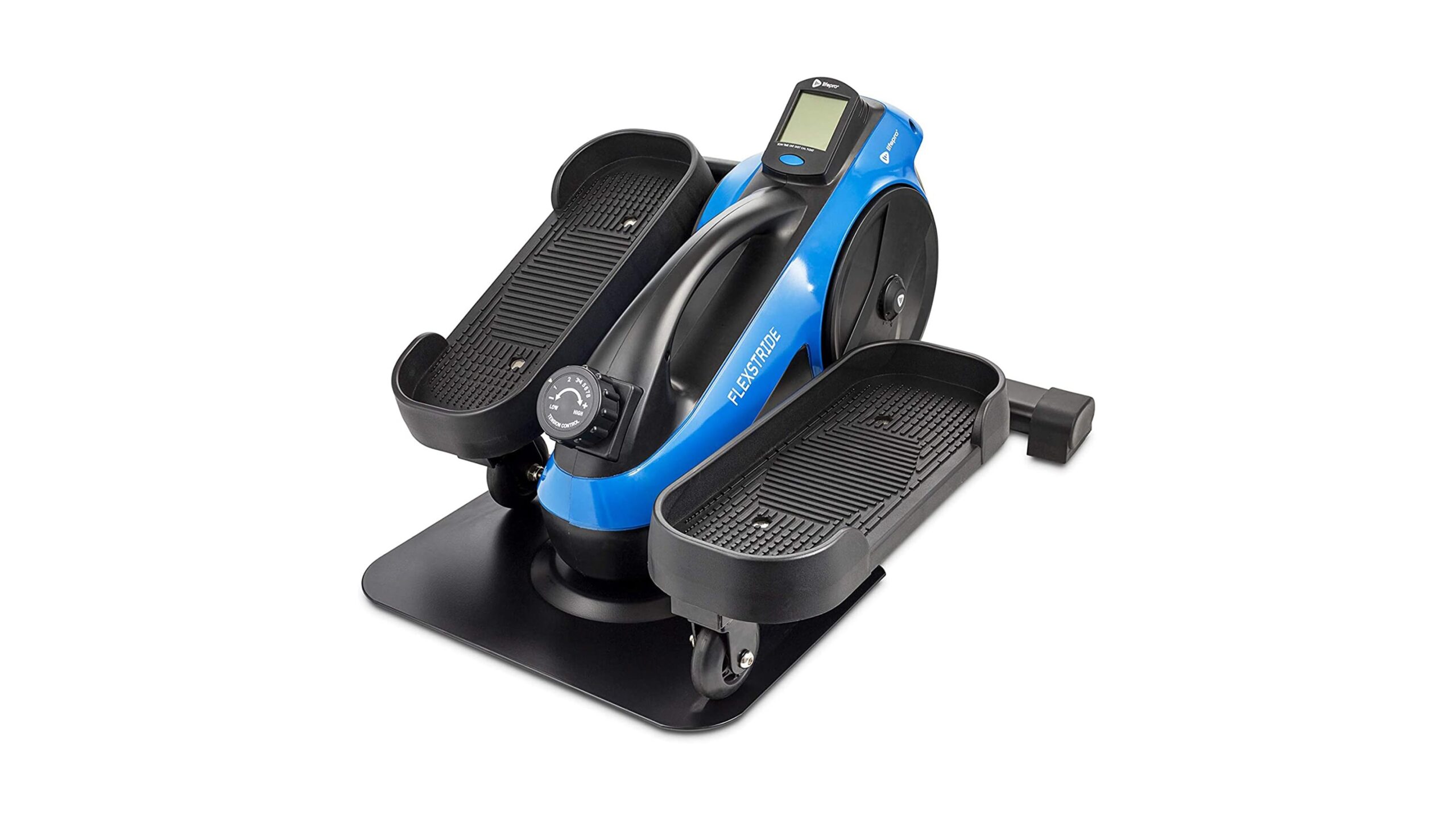
When training at home, noise matters almost as much as performance. Modern magnetic resistance spin bikes are generally very quiet: most of the sound comes from your own breathing and any slight drive‑train hum, which makes them ideal for apartments or late‑night sessions near bedrooms. Ellipticals vary more: compact models with shorter strides can be quiet, but larger rear‑drive units may produce more mechanical noise, especially if not perfectly level or regularly maintained. In terms of visual impact, a spin bike usually has a smaller, lower profile and is easier to tuck into a corner, while an elliptical is bulkier and more noticeable in a shared living space.
Footprint, storage and ceiling height
For many home gyms, the decisive factor is footprint. A typical spin bike needs about the same floor space as a small desk and can sometimes be rolled aside after training. You sit low to the ground, so even in rooms with limited ceiling height, you can stand out of the saddle without hitting your head. Ellipticals require more space both in length and width to accommodate the stride path and moving arms. You also stand higher on the pedals, which can be a problem in basements or lofts with low ceilings. If your training area is tight or shared with other furniture, the compact nature of a spin bike usually makes it the more practical everyday solution.
Training variety, muscles worked and motivation
Both machines target the cardiovascular system, but their training feel and muscle recruitment differ. A spin bike heavily emphasises quadriceps, glutes and calves, with core stability when you ride out of the saddle. It is ideal for structured power intervals, hill climbs and cadence drills. A home elliptical adds more upper‑body involvement through the moving handles, engaging chest, back and arms while still focusing on legs and glutes. Many people find the upright posture and full‑body motion less mentally fatiguing for longer steady‑state sessions. For variety, both machines can support interval and endurance workouts, but cyclists or anyone following bike‑specific training plans will get more sport‑specific benefits from a spin bike, whereas general fitness users may appreciate the total‑body feel of the elliptical.
In summary, choose a spin bike if your priorities are compact size, intense intervals, cycling‑specific fitness and low noise in small spaces. Opt for a home elliptical if you need maximum joint comfort, enjoy full‑body movement and prefer slightly longer, steady sessions. Match the machine to your lifestyle, space and what you genuinely like doing; the best cardio tool for your home gym is the one you will step onto consistently week after week.